
Up to $100 Billion of Anthropic’s Shares to a ‘Benefit Fund’
Image or risk management efforts from Anthropic?
Anthropic, the company behind Claude, announced a new fund that will hold 5% of the company’s shares for the public good. The move comes in response to recent concerns about AI safety. Several major reports have described AI agents breaking out of controlled environments and gaining access to important platforms. These include Hugging Face, one of the largest websites for sharing machine-learning tools and models, and the Australian government’s public records.
The new fund could support several efforts, including donations to non-profit groups, direct payments to people, and projects that reduce AI’s harmful effects on jobs and the labor market. In response to the announcement, Elon Musk posted on X that he would recommend giving the shares directly to the public.
Anthropic would also give the fund an extra 2% of the company for every 50% increase in its value, although the starting value used to calculate these increases has not been disclosed. Based on expected company values of $1.5 trillion to $2 trillion, this increase is not expected to happen soon. However, these figures would put the fund’s initial assets at $75 billion to $100 billion. The main question is whether this is a genuine effort to help the public or an expensive branding strategy meant to improve the company’s financial health.
The gold boom is driving deforestation in Ghana and the Amazon region

During the first 20 years of this century, gold mining caused more forest loss than mining for any other mineral. This was because gold was so valuable and producing it came at a high cost to the environment. In the five years that followed, the world faced major instability, and the price of gold, often seen as a safe investment, rose by more than 120%. This rise has made the problem worse.
The current state of the world encourages new mining projects. The potential profits, especially for criminal gangs, are greater than the risks of illegal forest clearing and damage to local communities. Mining also uses mercury and cyanide, which can poison water supplies that people rely on to survive.
Large industrial gold mines also cause problems, including forest loss and pollution, but they are subject to strict rules from the World Gold Council. Even so, this type of gold, excluding gold from Russia that is subject to sanctions, makes up only 20% of global production, although it accounts for 90% of this type of gold. Not all the remaining gold is mined illegally or unethically, but forest loss is common in this part of the industry, and much of it receives little public attention.
Satellites help track forest health and protect supply chains

Satellites are becoming essential tools for protecting rainforests. One of the newest satellites, Biomass, was launched from French Guiana in April 2025. It can scan a specific area of the Congo rainforest and create a 3D image. The data helps researchers check whether the forest is healthy and whether it faces threats.
This kind of monitoring is especially important as climate change becomes more obvious to people following one of the hottest summers. Researchers using a technology called L-band SAR have found that Africa’s forests and savannahs have passed a critical tipping point. Better tools for collecting data on the ground could help answer new questions and improve predictions. Progress in this field matters because high-quality forest protection credits that earn strong ratings cost almost four times less than planting new forests.
EU steelmakers plan to raise prices for car companies
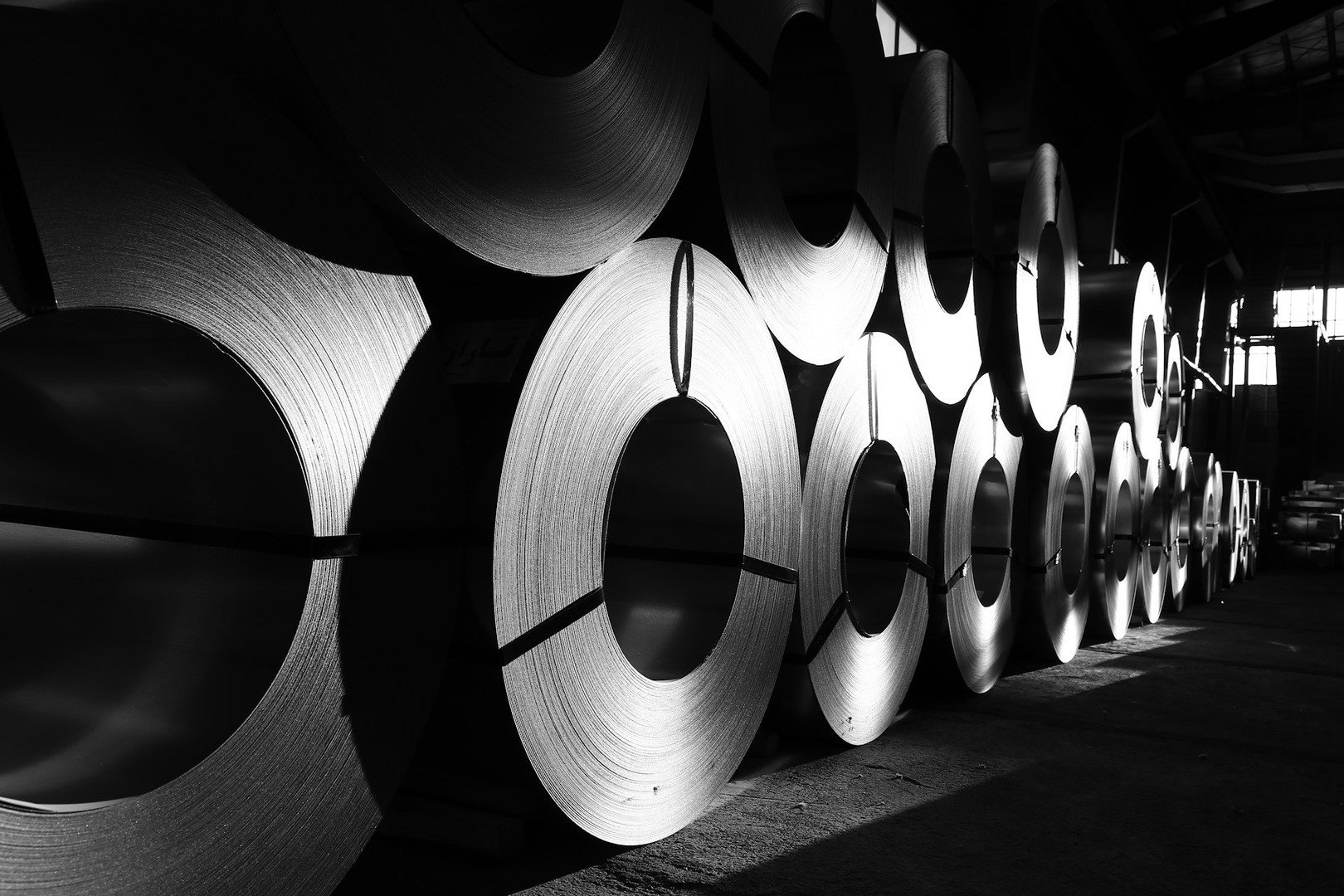
According to reports, a steel mill has proposed new prices of €860 per tonne and €960 per tonne for the main types of steel sold to manufacturers. Talks are taking place at an industry event in Germany. Suppliers are hoping to secure a price increase of at least 10%.
Steel prices have gradually increased throughout the year. To avoid tighter import limits, suppliers built up their stocks before July. This cut steel imports during the summer by almost half and caused the only drop in steel prices seen during the year. To help balance the situation, the EU is also preparing a four-year rule that would limit imports of Chinese hybrid vehicles to 350,000 units per year.
Editor's note:The opinions expressed by the authors here are their own and do not represent the views of impakter.com — Cover photo credit: Florian Schmetz