
OpenAI developing humanoid robots, Sam Altman hints at 2027 demo: Indicates that the AI brain matters more ...
- English News
- Tech science
- OpenAI Humanoid Robot Demo | Sam Altman Focuses On AI Brain Power
- Copy link
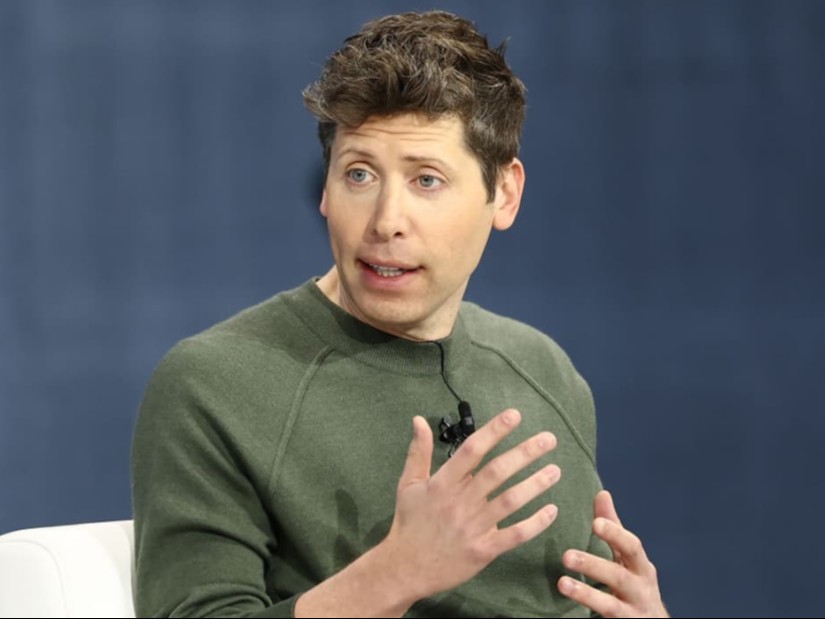
OpenAI may soon move beyond AI chatbots and start building human-like robots. CEO Sam Altman has revealed that the company is working on its own humanoid robot. He suggested that people might get their first look at it in 2027. The project is still being developed, but the company seems to be focusing on the AI technology that would help the robots understand their surroundings and carry out tasks.
Why does OpenAI want to build humanoid robots?
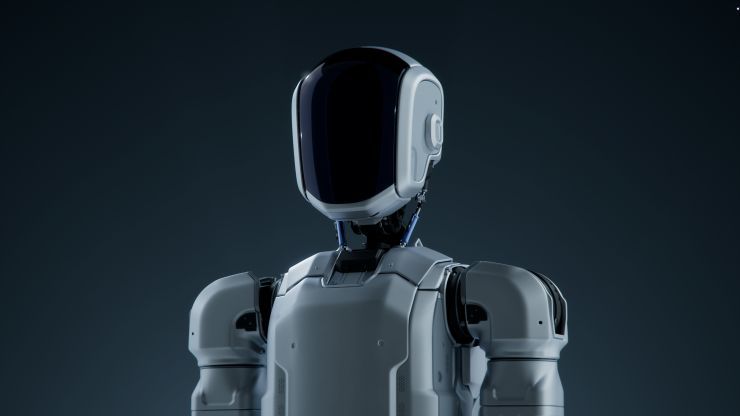
OpenAI is best known for creating AI models such as ChatGPT. Now, the company seems to be exploring ways to use its AI technology in physical machines.
Speaking on the Sources podcast, Altman explained why robots with human-like bodies could be useful. He said that most of the world has been designed for people. This includes doors, staircases, everyday tools and other equipment. Altman said:

The world is very much designed for people. Matching that form factor seems good.
In simple terms, a robot with a human-like body could find it easier to move around homes, offices and factories. It could also use objects made for people.
OpenAI's humanoid robot could be shown in 2027
People who want to see OpenAI's humanoid robot may need to wait a little longer. During a conversation with Fortune, Altman suggested that the company could show a demonstration of the robot in 2027. He said:
I think we'll have a cool demo in 2027.
However, this does not mean humanoid robots will soon become common on roads or in public places. Altman believes it will take several more years before robots are common enough to walk around streets regularly. OpenAI has not yet said what its robot will look like, what jobs it will do, or when it might go on sale.
The real challenge is building the robot's AI brain
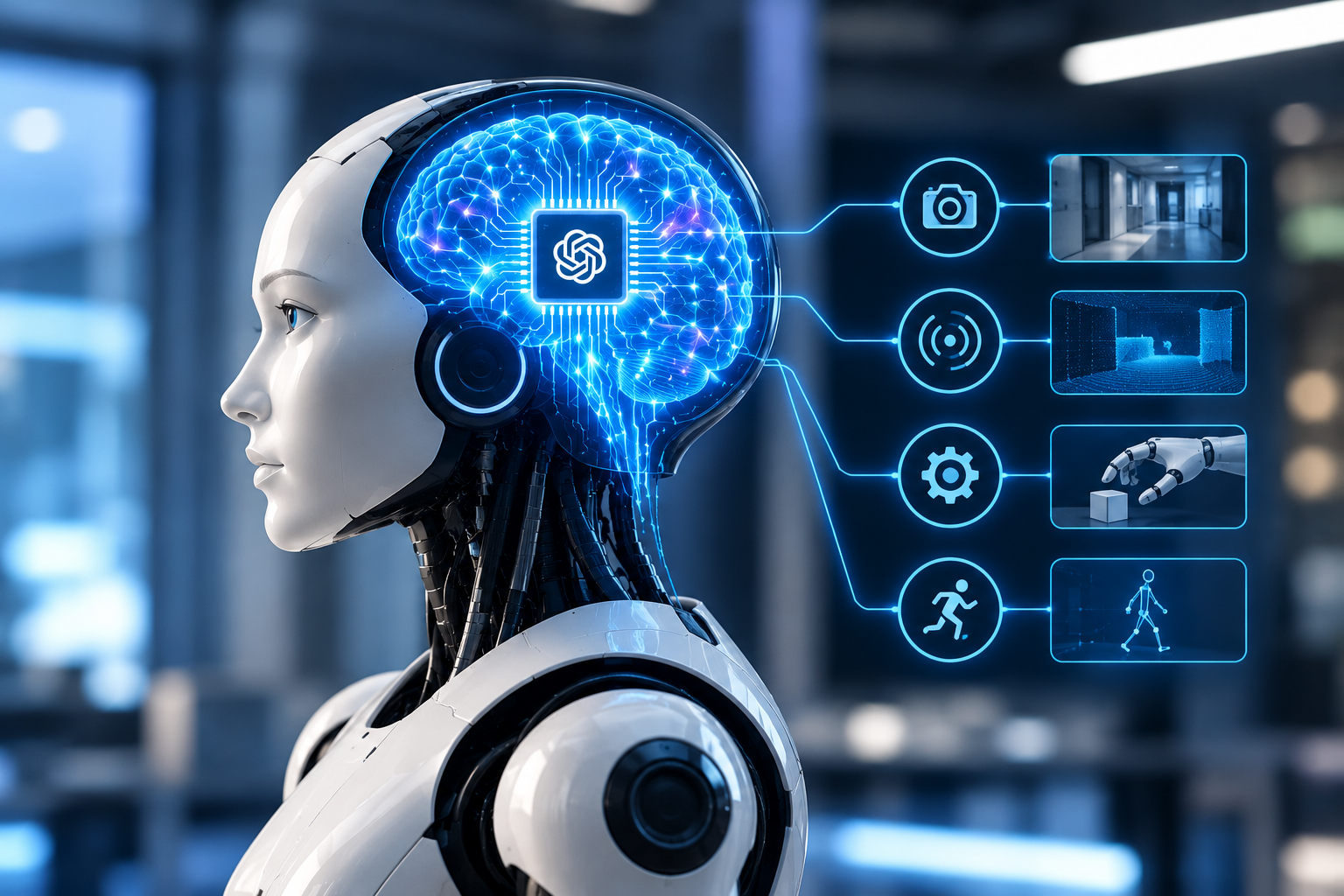
OpenAI seems to be giving more attention to the AI brain behind its humanoid robot than to how the robot looks. This technology would help the robot understand its surroundings, recognise objects, plan its movements and carry out tasks. OpenAI has explored robotics before through its Dactyl project, which trained a robotic hand to solve a Rubik's Cube. Reports also say the company has set up a humanoid robotics lab and listed 27 jobs related to robotics. These steps suggest that OpenAI plans to work on both robot intelligence and the ability to manufacture robots.
Tesla and Chinese companies are already developing humanoid robots
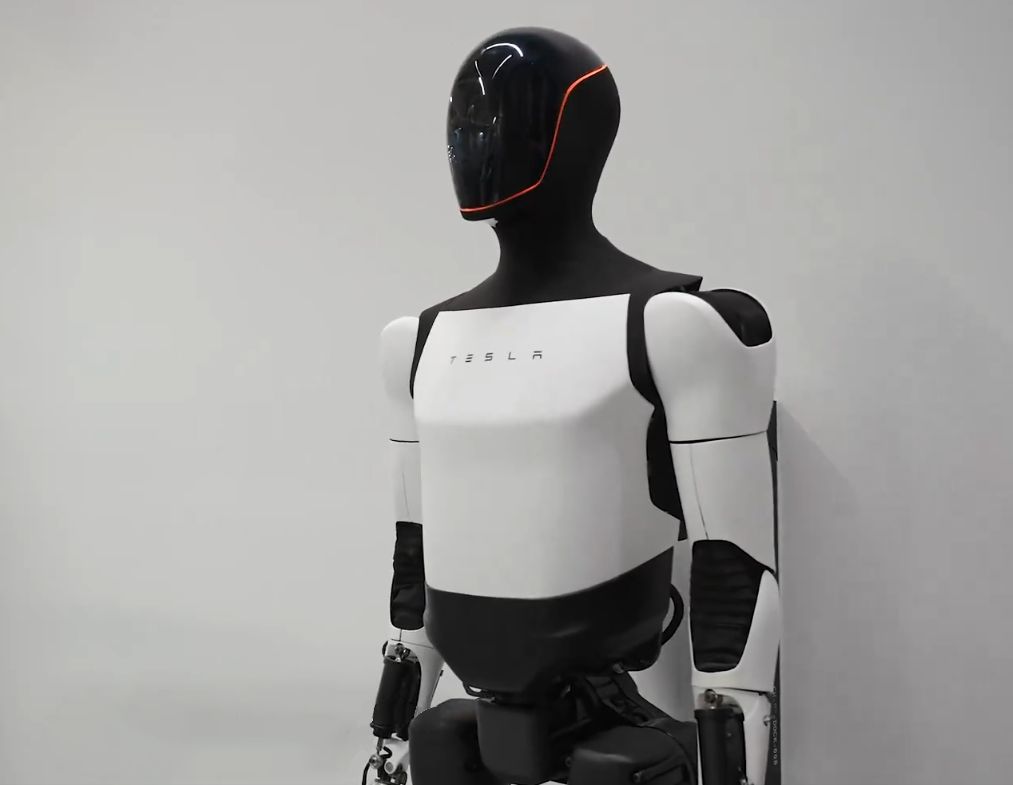
OpenAI is entering a field where several companies have already made important progress. Tesla has been developing its Optimus humanoid robot for years. Elon Musk has spoken about how AI could help it carry out different tasks.
Chinese companies are also making progress in this field. Unitree has drawn attention with its fast-moving humanoid robots. Xpeng has also shown its IRON humanoid robot walking on its own from a production line after assembly.
These developments show how companies are trying to build humanoid robots that can move, handle objects and carry out tasks in real-world settings.
However, making a robot move successfully during a demonstration is only one part of the challenge. Companies must also make sure their robots can work safely, reliably and efficiently outside controlled environments.
OpenAI could also be working on other AI hardware
Humanoid robots are not the only hardware products linked to OpenAI's future plans. Reports say the company is also developing AI-powered devices, including a smart speaker.
For now, OpenAI has not shared detailed information about its humanoid robot or confirmed when it might be ready for everyday use.