
How AI Confidentiality Gaps Are Becoming a Liability for Robotics Firms
by Sam Francis
When deadlines get tighter and there is more paperwork to finish, code reviews often take longer. The demand for work is higher than ever, and people are expected to finish it faster than ever. Because of this, using an AI assistant in a browser tab can be hard to resist.
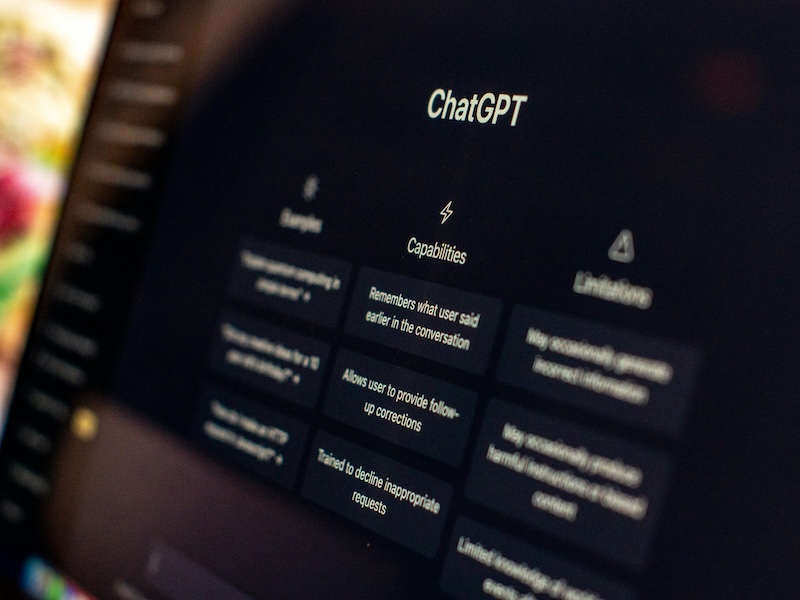
The problem is that an AI tool in a browser tab often means ChatGPT. ChatGPT sends information to OpenAI's servers. This means your company's special motion-control code or your client's private information may no longer be fully under your control.
In 2023, Samsung engineers made headlines after they accidentally shared private semiconductor code and records of internal meetings by pasting them directly into ChatGPT. Samsung responded by banning the tool inside the company. Most robotics companies have not faced a similar incident yet, and some have not learned from the technology giant's mistakes.
What information is leaving the company?
The biggest problem is the amount of work people must handle every day. Engineers may use AI to find and fix software bugs, write technical plans for connecting products to a client's systems, sum up months of research about competitors, or organize documents based on internal test results. There are clear reasons to use an AI assistant for all these tasks. But each task involves information that could cause real harm if it fell into the wrong hands.
AI is also changing what clients expect when they ask companies to finish work quickly.
OpenAI's terms of service say that prompts may be used to improve its models unless users choose to opt out through enterprise settings. Many employees using free or standard accounts cannot access these settings. The main risk comes from the gap between having a policy and making sure the team knows about it and has set everything up correctly.
Questions about legal responsibility
Sending client data through a consumer AI product without clear permission may break a contract or violate a non-disclosure agreement (NDA) that the company signed before the project began.
There are also special rules for some industries. Companies that build robots for healthcare or critical infrastructure must follow data protection laws, even if the information leak was not intentional. Saying that an engineer used a free chatbot is unlikely to be a strong legal defence.
The risk often stays hidden until something goes wrong. No warning appears when an engineer pastes a wiring diagram into a chatbot. The company may only find out when the client discovers it or when a competitor releases a product that looks remarkably similar.
The surprisingly simple solution
Switching to a ChatGPT alternative designed to protect privacy can greatly reduce these risks. If these platforms do not use user data to train their models, engineers can still get the productivity benefits they want without the same unwanted risks.
It may be easier to explain the change as a practical step than as a technical security rule. Telling employees that the company switched tools because the legal team raised concerns can be easier than explaining why they need to change the way they work.
Main image by Emiliano Vittoriosi on Unsplash