
Claude Unshackled: AI Designs Experimental Antivenom
October 20, 2026 9:16 AM
EST
BY:
EDITOR:
Scorpions kill thousands of people every year, mostly children. New antivenoms could save lives. At the same time, Anthropic, the company behind Claude, aims to go public before Thanksgiving. While many people fear that AI will take their jobs or threaten humanity, using it to cure diseases could give the technology a more positive image.
There is a catch: Anthropic limits access to its most powerful AI systems for biological research. After a pandemic and fears of a plague, the company puts a strong focus on biological safety. So can Claude really help create medicines, or is this mainly a way to improve AI's public image?
Hunterbrook investigated this question with Citrini during a two-day visit to Anthropic. We used a powerful, unreleased AI model under supervision, without the usual restrictions on biological research. Our goal was to design molecules that could target toxins in scorpion venom.
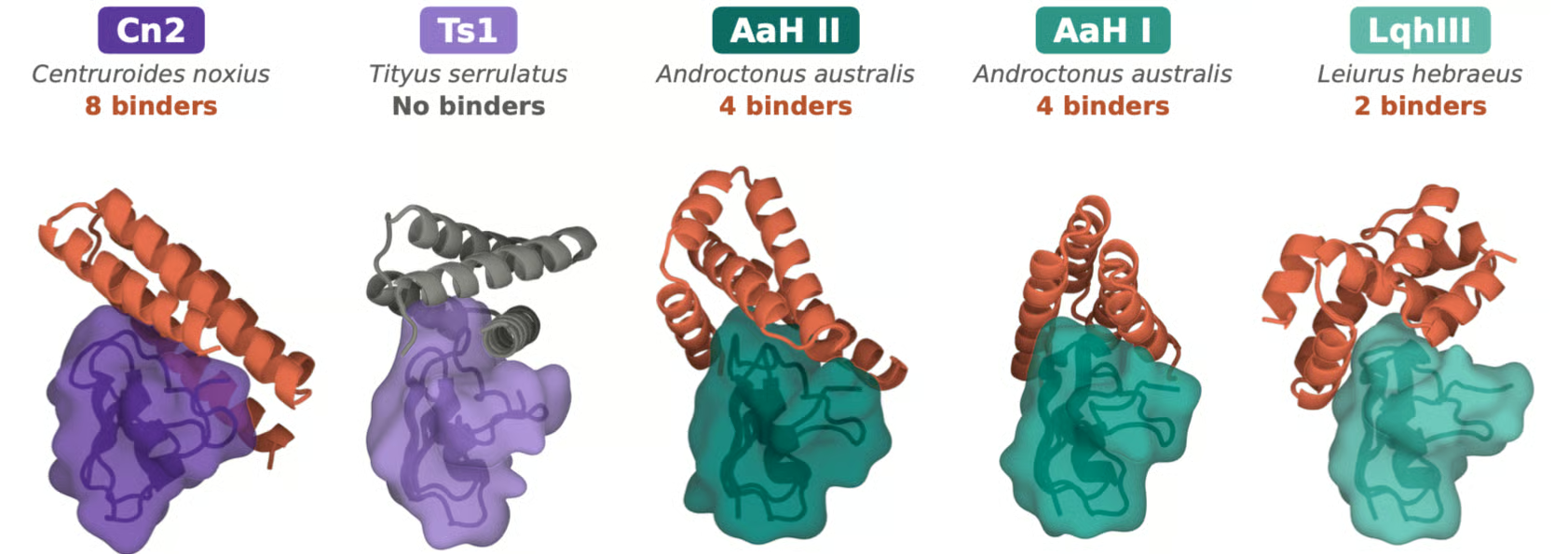
Many of the molecules designed by the AI attached to the toxins in laboratory tests, as Anthropic explained in a technical report published today. Every laboratory step required chemicals, equipment, and other supplies, as Citrini explained in its new guide to technology-driven biology. AI made the design work faster, but it did not solve our biggest challenge in one attempt: creating a single molecule that could bind to several toxins. Even a company worth one or two trillion dollars, with advanced technology, skilled scientists, and enormous computing power, still needs time to make genuinely new discoveries in biotechnology.
Hunterbrook worked with Citrini. Neither organization was paid by Anthropic. Healthcare journalist Laura Wadsten reported on scorpion venom, the need for treatment, and access to healthcare. Hunterbrook CEO Nathaniel Horwitz reported on the AI and laboratory work. He previously co-founded companies developing new medicines, served on biotech company boards for a major healthcare firm, and earned a degree in molecular biology from Harvard. Healthcare journalist Ruth Reader also contributed reporting. Dan DeLorenzo created the visuals.
Based on Hunterbrook Media's reporting, at the time this article was published, Hunterbrook Capital held both long and short positions in securities related to AI in biotechnology. These positions may change at any time. This article is not investment advice or a recommendation. See the full disclosures below.
In one sense, it is still just a laptop sitting on a table.
But watching an Anthropic scientist use an advanced AI model without its usual restrictions shows why there is such a big gap between the company's warnings about the possible end of humanity and the way many people experience AI. People are not necessarily using the same tools or using them in the same way.
In Anthropic's office, the unreleased version of Claude worked much faster. Its computing resources were not restricted. Its instructions were carefully designed, including internal techniques that I was not allowed to record.
If you have ever run into the frustrating biological safety limits of Anthropic's most advanced publicly available model, Fable, the difference is striking. Fable sends biological research tasks to a less powerful model. Seeing a leading AI model work directly on a biological problem without those usual restrictions was a very different experience.
Claude, your mission, should you choose to accept it: Design new molecules on a computer that scientists can then make in a laboratory and test as an experimental antivenom against scorpion toxins.
An initial set of instructions, dozens of pages longer than that short description, followed by a few focused follow-up prompts, guided the process. The team selected 211 designs. But the molecules still had to be tested in a laboratory.
Laboratory work before human testing is where we ran into the limits of physical science. Contracts and orders had to be arranged. Supplies had to be shipped. Contractors and subcontractors faced delays. Results took time, and emails piled up.
Patients, doctors, companies, and investors are excited about AI's potential in biotechnology. But real-world obstacles show how difficult it remains to develop new medicines. We received the first early-stage laboratory results weeks after the designs were made. The results were promising but mixed. This was a useful experiment showing both the possibilities and the limits of AI-driven biological research.
Even when a new candidate medicine passes early laboratory and animal studies, it still has to go through several stages of human clinical trials. It must also be manufactured, tested for safety, and approved by regulators. Then there are questions about price and access, along with large insurance companies, insurance intermediaries, and even intermediaries that serve other intermediaries. Software may be changing the world, but developing medicines and getting them to patients around the world still involves many difficult steps.
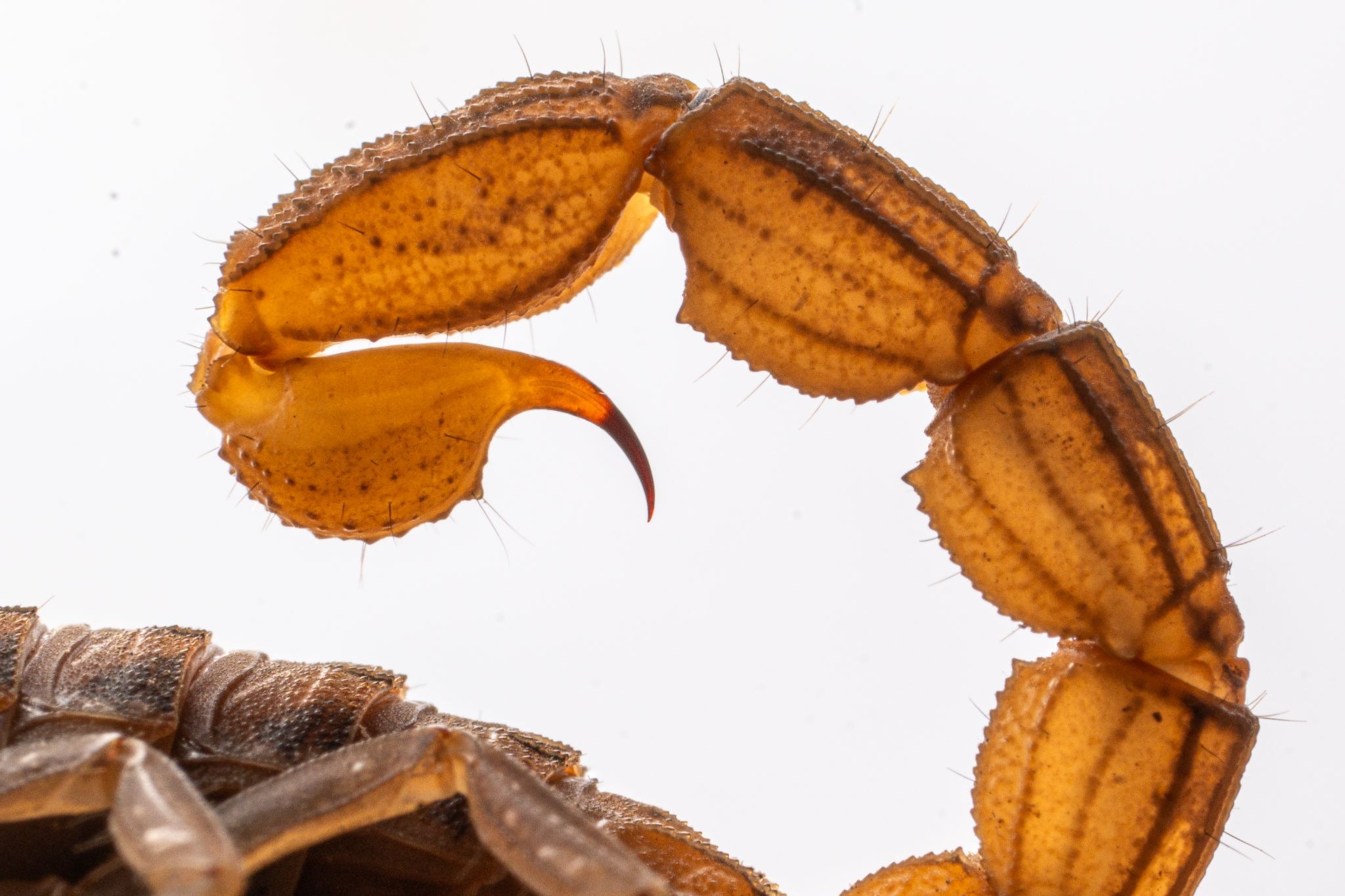
The scorpion stung the guide as he stood up from a couch.
Ian Breland had always been interested in creatures that most people try to avoid. He was relaxing after leading a snake-watching trip near Victoria Falls in Zimbabwe when he was stung.
The pain started immediately. “Just like a hot rod is being stuck through the bottom of my foot,” he told Hunterbrook.
The pain spread through his ankle. He could feel the venom moving up his leg. Then he lost all feeling below the affected area. “You could have shot me with a BB gun,” he said.
He sent a picture of the scorpion to a friend who was an expert. “Are you joking?” the friend replied.
His group rushed to help him, but the nearest clinic was almost an hour away and had no antivenom. Breland tried to text his parents, but the wet phone screen would not work. His fingertips had started “sweating like a small faucet.”
He felt the blood drain from his head. “Whoa, guys,” he said before passing out.
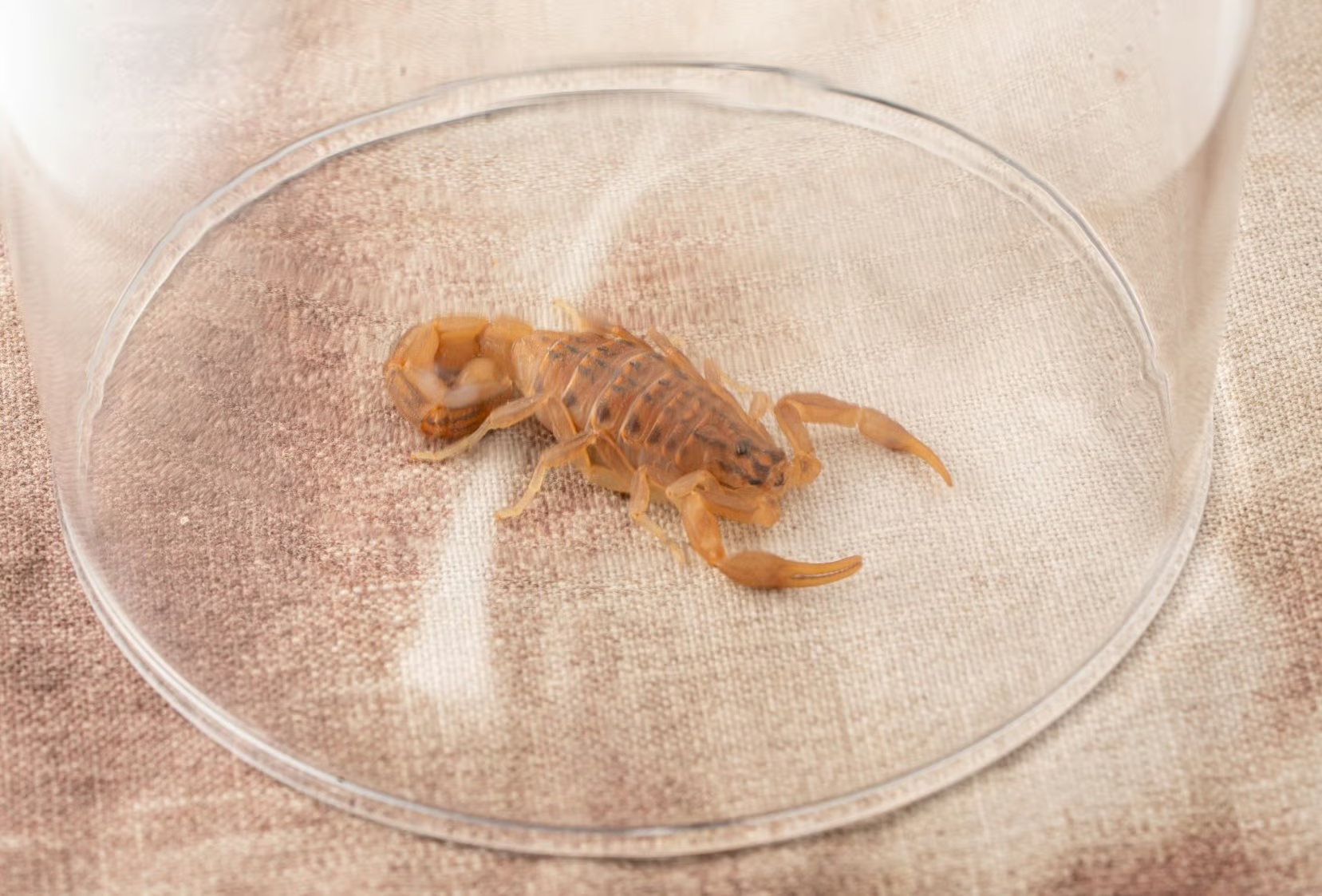
Scorpion venom contains a mixture of toxins that can seriously damage the body. Scorpions sting more than a million people each year, and thousands die, according to Dr. Eduardo Hernández Muñoz, an epidemiologist with Mexico's public health system who explained the problem to Hunterbrook.
Breland survived. “These numbers we see from the WHO, of people dying, that's hundreds and thousands of young kids,” he said.
Last October, a five-year-old girl was stung by a scorpion at her preschool in Sonora, Mexico.
She was taken to a local public hospital. But the hospital had already used all the antivenom it had received just days earlier, according to an official statement. Staff found more antivenom 45 minutes after she arrived.
It was too late. She had already suffered two cardiac and respiratory arrests. Attempts to revive her failed, and a clinician soon declared her dead.
The venom and its cure
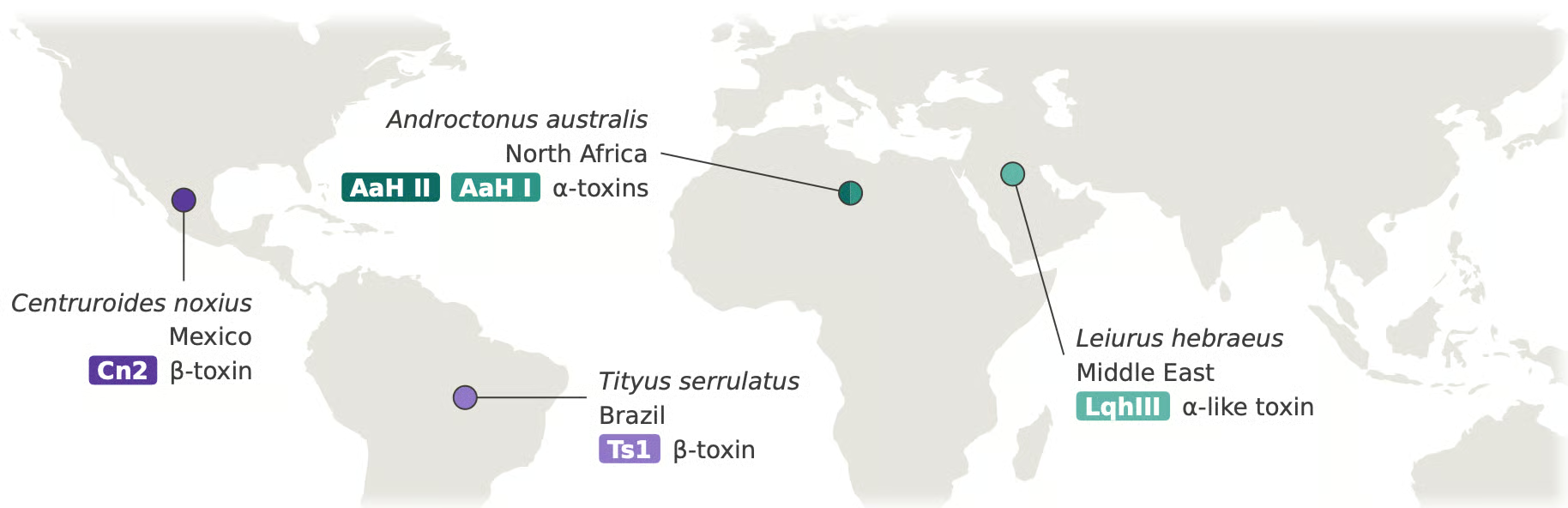
There are many species of scorpion, and their venoms contain different toxins that affect victims in different ways. For this reason, antivenom often contains a mixture of different molecules, given together so they can attach to different toxins. The goal is to stop those toxins from killing the patient.
The only scorpion antivenom approved by the FDA is Anascorp. Other countries use similar methods or have developed different versions. One common approach involves injecting small amounts of venom into horses to stimulate their immune systems. Scientists then collect antibodies that target the venom. After purification, these proteins become the key ingredients in antivenom, explained Jonathan Leeming, an expert in emergency care for scorpion stings in Southern Africa.
“The original way that they made the antivenom was like 100 years old. In that time, it was groundbreaking. It was like landing on the moon,” Leeming told Hunterbrook. “But in today's day and age, there's much better ways to produce a much better quality antivenom.”
Developing antivenom against the most dangerous scorpion species in North America took decades. The work began in Mexico in the 1970s.
Dr. Eugenio Vladimir Zavala Sánchez, a colleague of Hernández, told Hunterbrook that Anascorp's mixture of antibodies has weaknesses, but it is still one of the world's most effective scorpion antivenoms. It is especially important in Mexico, where about one-quarter of all cases of scorpion poisoning occur.
“Even though it's not perfect,” Hernández said, “it works.”
“Antivenom remains the only treatment capable of directly neutralizing circulating venom toxins,” Dr. Jesús Chávez Guzmán, an emergency physician in Mexico, wrote to Hunterbrook.
“These numbers we see from the WHO, of people dying, that's hundreds and thousands of young kids.” — Ian Breland
Mexican scientists spent 25 years developing the antivenom. Their American partners then spent another decade running clinical trials in the United States before it received FDA approval. Other scorpion antivenoms are available around the world or are being developed. However, the pharmaceutical industry does not focus heavily on them because companies usually prioritize markets that offer greater profits.
As with Anascorp in the United States, just one laboratory produces scorpion antivenom in Mexico, Zavala Sánchez told Hunterbrook. The same is true in Southern Africa. Leeming said the main supplier had run out by October and expected no new supplies until the end of 2026.
On the day he spoke with Hunterbrook, Leeming had already answered two calls about scorpion stings. He said there is “no reason to die from any envenomation,” but added that “there's always extenuating circumstances.” Access to treatment and education matter, as does the quality of the antivenom.
Leeming believes antivenom could be more effective and less expensive if scientists could make it without using horses. Antibodies taken from horses can also cause allergic reactions, including anaphylaxis, a severe and potentially life-threatening reaction. This creates a need for antivenoms with fewer side effects.
Could AI design new experimental antivenoms without poisoning horses?
People who support AI hope it will greatly speed up the development of new medicines, especially for people whose medical needs receive too little attention.
“Scorpion envenomation has historically received less research attention than many other major infectious and non-communicable health priorities,” wrote Chávez Guzmán, “despite the large number of cases in endemic countries.”
Designing new molecules is an important step in making medicines. It is also relatively cheaper and faster than most of the work that comes afterward.
“AI is supercharging drug discovery,” said Dr. Amy Abernethy, a former senior FDA leader. “But there's still questions around capital, questions around safety, questions about the right experiments to do.”
“It moves the choke point to clinical development,” she said. “It's a brick wall at one point or another.”
Daphne Koller, CEO of the biotechnology company Insitro, where Abernethy serves on the board, put the problem this way: “I can make molecules all day long, but so what?”
“We do not need more molecules against the same set of targets,” Koller told Hunterbrook in an interview with Citrini. She argued that researchers need to understand biology more deeply and choose better targets for new medicines. After learning about the AI experiment, she said, “It's great that we have this capability, but we still need to know where to aim that … the failures by and large today are because we have no idea what to make molecules against.”
Choosing the right targets is not the only challenge.
“Experimental antivenoms can neutralise lethality,” wrote Dr. Naoual Oukkache, research director of an antivenom laboratory at the Pasteur Institute of Morocco. However, “They must be followed by rigorous pharmaceutical development, standardised manufacturing, and clinical validation before the products can be used in humans.”
The development process includes computer simulations (in silico), test-tube experiments (in vitro), studies in laboratory animals (in vivo), and, most importantly, clinical trials in humans.
“Artificial intelligence and computational biology can accelerate and rationalise several stages of research,” Oukkache wrote. “Molecules designed or optimised using AI are unlikely to replace polyclonal antivenoms immediately. They could instead be developed as complementary or adjunctive treatments.”
Many steps in medicine development will not become much faster because of AI anytime soon. Cells still need to be tested. Monkeys must be bred for research. Patients must be found. Molecules must be manufactured in larger quantities while maintaining their quality.
“We've always had a funnel, and that funnel has always been top heavy, and as the top gets wider, and we don't expand the middle, that becomes a tighter and tighter bottleneck,” said Anna Marie Wagner, CEO of the biomedical company Transfyr. She and her co-founder, Renee Węgrzyn, explained the current state of the field to Hunterbrook.
Universities, biotechnology companies, startup incubators, and research institutes must physically make and test new drug candidates. This often requires a global network of laboratories, manufacturing facilities, and suppliers. Researchers must then recruit volunteers for clinical trials. They must persuade people who are ill to accept the risks of trying an experimental drug that might not work or might even cause harm. Finally, teams of experts must complete demanding regulatory reviews, often involving thousands of pages of complex government documents.
AI may help researchers find and recruit patients. It already helps make it easier to meet regulatory requirements. But patients, their families, doctors, medical organizations, companies, and society still have to wait for the results of each clinical trial.
Weeks. Months. Often, years.
That waiting accounts for much of the time and money needed to bring a new medicine to market. AI is now making the design of new medicines easier, faster, and often cheaper.
New technology does not reach everyone equally, and the benefits are often unfairly distributed. Science-fiction writer William Gibson is often credited with saying: “The future is already here, it's just not evenly distributed.”
On a hot August afternoon, in an ordinary conference room on the second floor of Anthropic's New York City office, we saw a glimpse of that future.
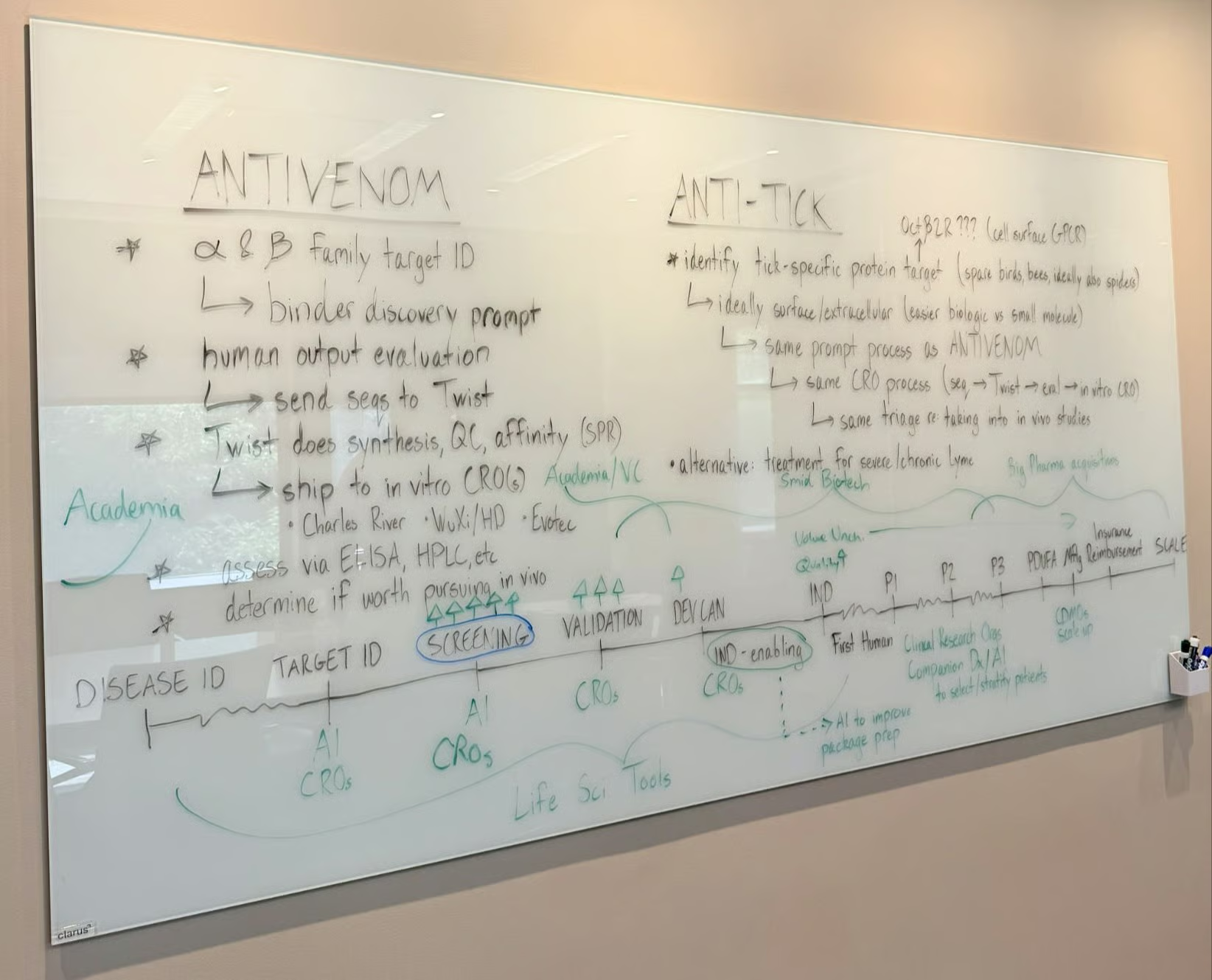
This final section describes Hunterbrook CEO Nathaniel Horwitz's experience helping with the AI-designed antivenom project. Before joining Hunterbrook, he worked in biotechnology.
As a former scientist, I felt the excitement of discovery growing during our first day at Anthropic.
But by our second day, when we had finished the main computer-based work, I was already feeling something I had nearly forgotten. That feeling became even stronger during the second month of waiting for laboratory results.
The boredom of biotechnology.
Even with almost unlimited resources, biological research can be painfully slow. Waiting for materials, data, and progress can wear away at the excitement and importance of the work. After spending a decade in the field, this slow pace was one reason I largely left biotechnology to build Hunterbrook.
As I waited for the results of our Anthropic experiment, I remembered how impatient I had felt in earlier years.
I had been working on the cutting edge of biotechnology since I was a teenager. My first project, in high school, was about CRISPR, a gene-editing tool, in the year it was introduced. At college, I used CRISPR to help discover a new target for treating heart disease. I co-published that work in the scientific journal Cell.
I left Harvard before graduating to lead a startup in Silicon Valley that was developing an experimental treatment for pancreatic cancer. I also encountered Elizabeth Holmes during that time. Later, I informally advised the television series “The Dropout.” The Wall Street Journal's investigation of Theranos also helped inspire Hunterbrook's investigative newsroom.
Like many experimental biotechnology projects, my first medicine failed. I returned to college and graduated with a degree in molecular biology. I then joined a company that became one of the leading firms in biotechnology.
Within that firm's startup incubator, I helped build and expand new biotechnology companies from the ground up. Before Claude and ChatGPT were first released to the public, I had co-founded two companies focused on using AI to design biomedical treatments.
In 2019, I co-founded Triana, a company using AI to help design a new type of medicine called a molecular glue. Seven years and more than $100 million later, Triana's first drug candidate entered clinical testing this spring in a Phase I/II trial for lung cancer.
In 2021, I co-founded Superluminal, which uses AI to improve therapeutic molecules quickly. Nvidia invested in the company's $120 million funding round, partly to help Superluminal purchase Nvidia computing resources. Superluminal recently announced tens of millions of dollars in new funding as it prepared to begin clinical testing in the fall, five years after the company was founded.
Triana and Superluminal are both companies that use AI. They have experienced leaders and have received substantial backing from leading investment firms. Yet, years later, neither company knows for certain whether its medicines will work in people or eventually receive FDA approval.
Computer software has helped researchers discover drugs for decades. Hunterbrook previously reported on one of the field's pioneers, Schrödinger. AI became a major topic in biotechnology when Google DeepMind's AlphaFold began solving important problems in predicting how proteins fold. Two of its leaders shared a Nobel Prize with a professor known for designing proteins using computers.
The techbio industry grew rapidly during the pandemic. It later struggled as company valuations became too high and interest rates rose. It may now be growing again, as some technology-driven biotechnology stocks have risen.
Recent interest in biotechnology has partly been driven by Anthropic and OpenAI paying more attention to how AI can help medical research. This is a more appealing story than AI replacing jobs or threatening humanity. Anthropic has even acquired a biotechnology company and opened its own biomedical research laboratory.
But what do these extra resources actually allow researchers to achieve that they could not do before?
After Claude designed the molecules, Anthropic and Citrini paid two outside laboratories, known as contract research organizations (CROs), to make and test all 211 designs.
The process began simply. Claude emailed an established Anthropic contractor with a list of molecules to make. The contractor sent an invoice, a schedule, and instructions for the next steps in testing the resulting binders.
Then, almost immediately, the schedule began to slip, as often happens in research projects. Here we go, I thought, remembering similar frustrations with projects that were even simpler.
Making the binders was fairly straightforward. Finding the scorpion toxins and certain other chemicals needed to test them took longer. We now have initial molecular binders for four of the five scorpion toxins we targeted. The fifth produced more complicated results. The experiments did not show that the binders could neutralize the toxins or work as an antivenom. The binders also passed a test against one unrelated protein, but broader testing found that some might stick to other substances too easily. This means their ability to target only the intended toxins remains unconfirmed. Anthropic published the full findings in a new technical report today, which independent academic experts reviewed.
These early results are encouraging, but a new antivenom is not close to being ready. If this were a full drug development program, it would still be at the very beginning of a long journey. Even so, no horses had to be exposed to scorpion venom to make these molecules.
Could a skilled team have done similar work with existing protein-design tools, without AI and without using horses?
Yes. In this experiment, AI did not achieve anything that specialists could not have attempted with tools already available. Claude did not create a binder that met the study's most ambitious goal: one molecule that could bind to several different toxins.
However, based on my past work on similar projects, the design process would probably have been slower and more expensive without Claude. It would also likely have produced fewer successful designs, meaning researchers would need to make and test more molecules. That would require more laboratory work. Apart from one Anthropic scientist, none of the people directly involved in the project were drug discovery experts. The Citrini team leading the work had no experience in biological research at all.
The main point is that AI may make molecule design much easier and more efficient, although this idea has not yet been proven. That could help people without technical expertise, including entrepreneurs and even parents fighting to find treatments for their children. More potential medicines may begin the long process of development.
This does not feel like a sudden leap forward. It feels more like another important step in a long period of rapid progress. Biotechnology has advanced steadily since its beginnings, leading to remarkable discoveries in cancer treatment and many other areas of medicine.
This latest wave of AI will bring faster progress. It is difficult to know exactly where we are on the curve of innovation, but the rate of progress does not yet appear to be shooting straight upward. Still, in biotechnology and AI laboratories around the world, researchers are increasingly pushing against the limits of what is possible.
“And what rough beast, its hour come round at last …”