
Anthropic book purchases fuel Korea AI copyright concerns
Anthropic’s large-scale purchase of Korean books reveals gaps in copyright protection and shows that Korean publishers have done little to respond together.

Shin June-bong
The author is an editorial writer at the JoongAng Ilbo.
Publishing may seem like a refined cultural business, but it has always been connected to the newest technologies of its time. Publishers have long used new technology to reach more readers. But when technology changes, disputes often arise, and people in the industry sometimes take advantage of others.
The story of Johannes Gutenberg in the 15th century is one example. He developed a way to print large numbers of copies using movable type and printed the Bible. His work helped modern publishing grow and also helped the Reformation. But his later years were unhappy. His business partner, Johannes Fust, took him to court and seized everything, including the Bibles and even the printing press.
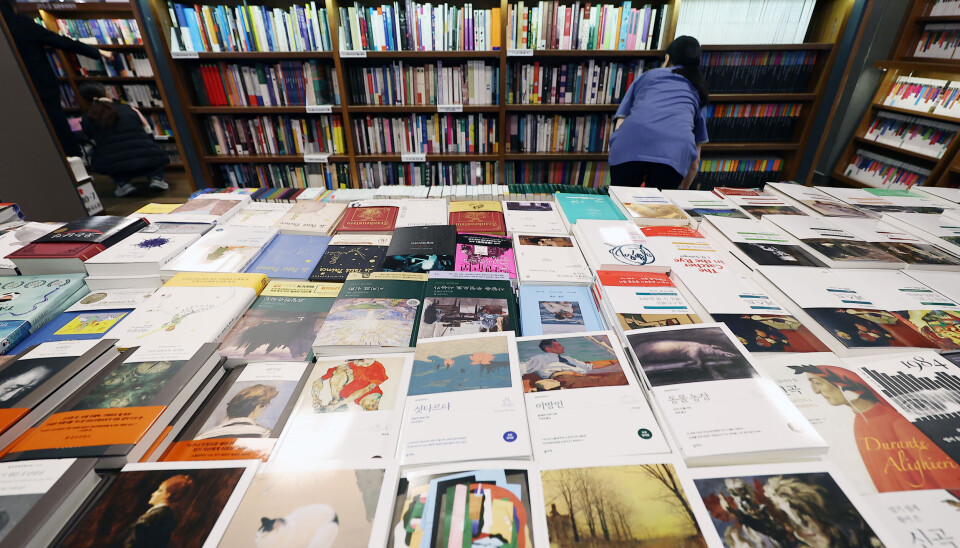
The recent dispute in Korea’s publishing industry over AI company Anthropic’s large-scale purchase of books follows a similar pattern. Valuable works created by people are being taken away because Korea’s copyright laws have gaps, publishers are too focused on making money quickly, and government officials have paid too little attention. So far, about 160 tons of books have passed through the wholesaler Woongjin Book Centre and left the publishing industry. This is estimated to be about 410,000 books. That is roughly the same as buying one copy of every new title published in Korea over the past six or seven years.
Even more upsetting is that the publishing industry seems unable to respond, despite this loss of valuable creative work. People in the industry say it may be difficult to get compensation, no matter how Anthropic uses the 410,000 books. Like the relevant U.S. law, Korean copyright law allows “fair use.” This means that if books bought legally at the proper price are used only to train AI, that use may not be considered a problem. But it is not clear what “only to train AI” really means. How can anyone later tell whether the books were used just for training or for commercial purposes that could hurt the existing book market?
The Korean Publishers Association, which represents publishing companies, has issued an “Appeal to the Republic of Korea” asking the government and National Assembly to pay attention to the issue. It is also collecting signatures. The association wants AI companies to reveal where they get their training data and to pay fair compensation. By Tuesday afternoon, 216 organizations and 607 individuals had signed. Yet many major publishers are missing from the effort, even though the industry needs to stand together and even unity may not be enough.
Related Article
Korean, Japanese and Taiwanese books targeted in Anthropic’s ‘Project Panama’ search for AI training material
Anthropic illegally downloaded digital copies of Korean books, including books by Nobel Prize winner Han Kang
Why are overseas buyers ordering just one copy of each of 100,000 different Korean books?