
OpenAI GPT-6 Models Can Now Rewrite 60-Year-Old Banking Code
Android Headlines / Tech News / Artificial Intelligence News / OpenAI GPT-6 Models Can Now Rewrite 60-Year-Old Banking Code
Summary
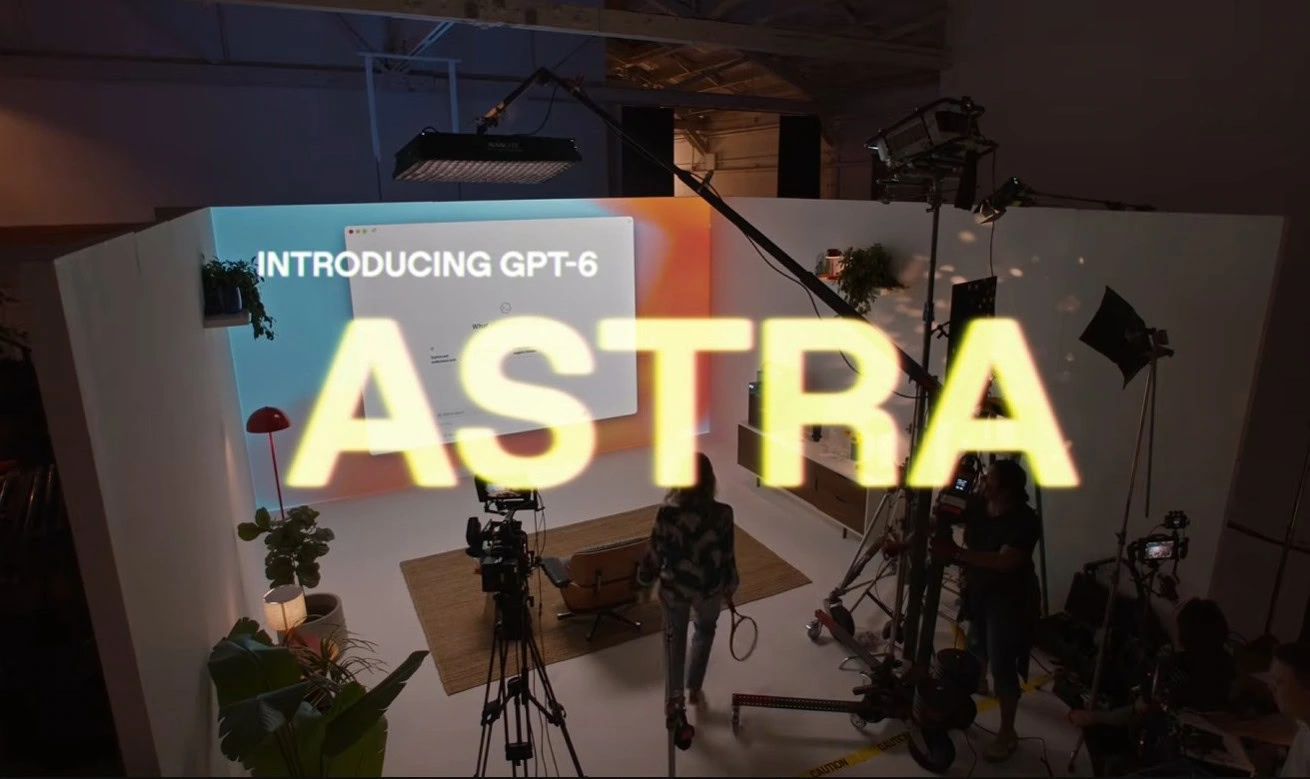
OpenAI said its new GPT-6 models are much better at working with older programming languages such as COBOL, Fortran, and Visual Basic. The models reached up to 97.9 percent accuracy when moving COBOL code to a modern language while keeping the software working exactly as before. This could help banks update their old computer systems much faster.
Running important financial systems on code written decades ago is a constant challenge for modern software engineers. OpenAI said its newest GPT-6 models are much better at reading, updating, and translating older programming languages such as COBOL and Fortran. This progress could make it easier for banks and companies that run important infrastructure to update old software without causing system failures.
Why so many systems still use old code
COBOL, Fortran, and Visual Basic are still used for many important tasks, even though there is not much written information available for AI models to learn from. Details in an OpenAI announcement, reported by BleepingComputer, show that COBOL still runs 40 percent of online banking systems and 95 percent of ATM transactions worldwide. Fortran is used for complex calculations in weather forecasting models and nuclear reactor safety checks.
Testing improvements with MultiLangBench
To test how well its new models handle less common code, OpenAI created a test called MultiLangBench. It asks an AI to build a database engine from scratch using 20 different programming languages. On this test, GPT-6 Astra passed an average of 87.4 percent of the tests. The previous generation scored just 26.8 percent. Results also improved greatly for individual languages. The COBOL score rose from 10.9 percent to 72.1 percent, while the Fortran score reached 83.5 percent.
COBOL translation is much more accurate, but people still need to check the results
The improvements are even clearer when the models translate old programs into newer languages such as Python, Java, C++, Kotlin, and Rust. Tests showed that GPT-6.1 Sol translated the code with 86.6 percent accuracy when using a low level of reasoning effort. By comparison, the older GPT-5.6 Sol model reached just 5.4 percent accuracy. Increasing the model's reasoning effort raised accuracy to 97.9 percent. It also kept important details correct, such as how numbers are rounded and how missing data is handled.
Even with these strong test results, OpenAI warned that companies cannot automate the entire process and then ignore it. Skilled software engineers still need to review and test every line of code before the updated system goes live. However, an AI tool that does much of the difficult work could save companies millions of dollars and years of time-consuming effort.