
Barclays plans to lay off 5,000 employees globally by the end of 2026 due to artificial intelligence
How is artificial intelligence changing jobs in Britain's banking sector?

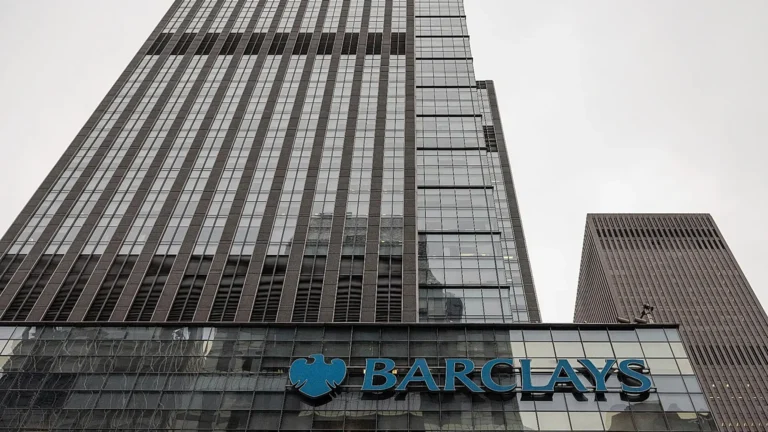
London — On Thursday, October 22, 2026, Barclays Bank announced plans to cut about 5,000 jobs around the world by the end of the year. This is about 5% of all its employees worldwide. The bank plans to use artificial intelligence (AI) and other modern technologies to make its work simpler, lower costs and help it operate more efficiently.
The bank said the plan includes about 1,000 jobs that had already been cut in the first half of the year. The announcement comes as the bank's profits grow and it earns more money from trading.
Artificial intelligence is changing jobs
In a presentation of its financial results, Barclays said it was taking steps to simplify its company structure and use AI to improve how its technology systems work. The bank said about 60% of the planned job cuts would affect support jobs, including software developers.
Savings of more than £1 billion
Barclays expects its steps to improve efficiency to save more than £1.1 billion. These savings are expected to lower costs and help the bank make more profit. In the third quarter, the profit belonging to shareholders rose to £1.65 billion, up from £1.46 billion in the same period last year. That was an increase of 13%.
Income from activities involving shares also rose by 47% compared with the same period last year. The group's total income increased by 3% to £7.37 billion. The bank also announced that it would buy back £500 million worth of its own shares.
Rules from regulators and risks from lending
Even though profits are growing, analysts pointed to problems the bank may face. These include expected tax increases for Britain's banking sector and reports that the Bank of England is investigating claims about how Barclays assessed the risks of lending money to private trusts.
Barclays said it manages its exposure to private credit in line with accounting rules and regulatory capital requirements. The bank still faces the challenge of making lasting cost savings through technology without harming its growth.