
Anthropic joins the race for AI agents that keep working between conversations
By Brian Buntz |
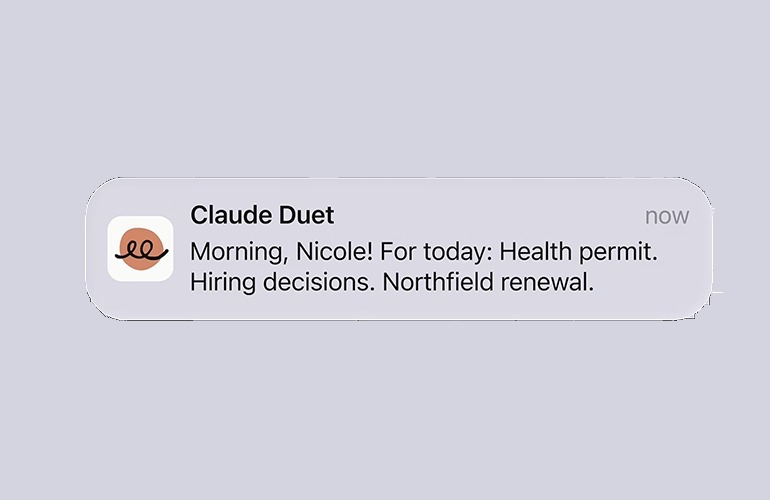
Image credit: Anthropic via YouTube
On October 21, Anthropic opened a waiting list for Claude Duet, a personal AI helper for professionals and small-business owners. It runs on its own cloud computer and keeps working even when users leave. Duet checks connected apps for things that need attention and continues working on tasks it has been given. Before it sends messages, makes payments, signs documents or deletes anything, it asks the user for approval.
Duet arrives after several similar products have appeared in a short time. SpaceXAI, the AI division SpaceX created by acquiring xAI, introduced Grok Bot on August 11. Meta followed with Muse on September 8. Muse has its own cloud computer and web browser and can be reached through WhatsApp. On September 29, Meta expanded Muse to support small-business tasks. On September 25, Microsoft said Autopilot, which was previously called Scout, would become available to more people through a private preview at the end of the month. Four days later, OpenAI introduced dots. These always-on AI agents can maintain software, improve projects and update scientific analyses when new data arrives.
Many of these products can be traced back to OpenClaw, an open-source personal AI agent created by Peter Steinberger, who founded the PDF software company PSPDFKit. Steinberger joined OpenAI in February with the stated goal of building an agent “that even my mum can use,” while OpenClaw moved to an independent foundation. Microsoft's Autopilot is based on this project, and the OpenClaw Foundation says Microsoft contributes code back to the project. Meta says it built Muse from the ground up.
Duet starts with the setup a person already has in Claude. It carries over memories of earlier conversations, saved skills and connections to work apps such as Gmail, Google Calendar and Slack. This means it already knows the user's accounts and preferences before starting its first task. It then prepares morning briefings and checks those accounts every few hours. Suggested tasks include finding unpaid bills, preparing agreements and building dashboards or web apps. The research preview is available through a waiting list to U.S. subscribers on the Pro and Max plans. Background checks and larger tasks count toward the usage limits those subscribers already have, Anthropic says.
AI agents that work without constant human attention are also spreading into scientific research. On October 21, OpenAI, PerturbAI and Scripps Research described using nearly 2,000 GPT-Rosalind agents to study a CRISPR map of a mouse brain and produce possible research leads in 32 minutes. Personal AI agents and large groups of research agents serve different users, but both move AI beyond answering one prompt at a time. Instead, they work on tasks independently, with a human approving the result.