
ZTE unveils M8000 micro module data centre for artificial intelligence computing
Telecommunications equipment maker ZTE has launched its M8000 intelligent computing micro-module data center system in Singapore. The new system is designed to help businesses around the world build the technology they need for artificial intelligence (AI) more quickly.
SINGAPORE – Media OutReach Newswire – 22 October 2026 – ZTE Corporation (0763.HK / 000063.SZ), a major global provider of information and communication technology solutions, has officially introduced its new ZXEDC M8000 Intelligent Computing Micro-Module. The product is a complete, ready-to-install IT POD system for data centers. ZTE presented it at Data Center World Asia, one of Asia's leading data center events. The system is designed to solve several problems caused by the rapid growth of AI computing. These include the need for more power in each server rack, uncertainty about future business needs, and the move from air cooling to liquid cooling. The M8000 gives data center customers worldwide a system that can handle powerful computers, grow when needed, and adapt to new technology.
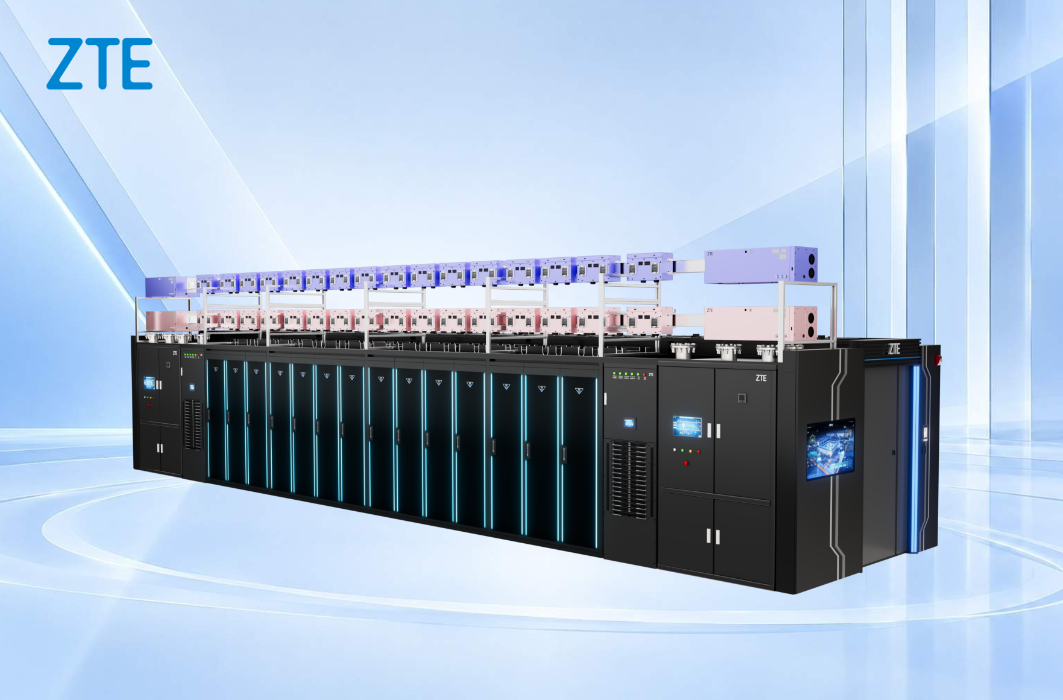
The M8000 brings many important data center parts together into one system. These include an enclosed cold aisle that keeps cool air in one area, liquid-cooled server racks, network racks, a coldplate liquid cooling distribution unit (CDU), secondary cooling pipes, high-voltage direct current power, smart power distribution bars, thin air-cooling walls, monitoring equipment, lights, cables, and connected fire safety systems. It can hold many powerful AI servers in a small space, provide power in different ways, switch between air and liquid cooling, and expand when more computing power is needed. It also supports both regular computers and AI computers in the same data center. This means customers can install the system once and continue upgrading it over time.
- Main Product Features
More Computing Power and Easier Upgrades — Each server rack can use between 20 and 60 kilowatts (kW) of power, with a maximum of 250 kW per rack. The racks are separate from the supporting frame, so the system can use both standard full-size racks and racks with unusual shapes or sizes. Customers can also change from air cooling to liquid cooling at the site later if needed. Because the system uses standard, ready-made parts, workers can put it together quickly at the site, reducing the time needed for delivery and installation.
Flexible Cooling and Power with Lower Carbon Emissions — The system uses a shared cooling setup that supports both air and liquid cooling. Its cooling distribution unit (CDU) works with thin air-cooling walls and two cooling sources. This allows the system to change how much air cooling and liquid cooling it uses as needed. It makes the greatest possible use of free cooling, which uses naturally available cooling to save energy. ZTE says the system can achieve a Power Usage Effectiveness (PUE) as low as 1.15 in all regions. PUE measures how efficiently a data center uses energy, with lower numbers meaning less energy is wasted. The system also combines 800-volt high-voltage direct current (HVDC) power with smart power distribution bars. This allows power to be supplied flexibly to racks along each row, with power supply efficiency reaching up to 98%.
Safer Liquid Cooling with UL Certification — According to ZTE, this is the first solution in the industry to receive UL certification for preventing leaks across the entire liquid cooling system. Its leak protection covers the cooling distribution unit, liquid-cooled racks, liquid-cooled servers, and network switches. The system can also detect leaks and automatically add more cooling liquid when needed. These features help reduce the risks caused by liquid leaks.
Smarter Management to Save Money and Energy — The M8000 manages air cooling and liquid cooling together. It also connects cooling management with power management. AI software automatically adjusts how the system works to improve efficiency. ZTE says this can reduce cooling CLF energy use by more than 10%. The system also uses ZTE's iDCIM management platform, which lets operators monitor the power and cooling systems from beginning to end. This makes it easier to operate and maintain the equipment used for AI computing.
- Benefits for Customers
Protecting Money Already Invested — The same system design can support three generations of IT hardware upgrades. This means customers can increase their computing power without having to make major changes to their data center equipment. It helps protect the money they have already spent on their infrastructure.
More Reliable Business Operations — The liquid cooling safety features protect the entire cooling system. This helps create a stable working environment for groups of powerful AI computers that need large amounts of electricity.
Lower Running Costs — By combining free cooling with AI-powered adjustments, the system uses less energy and lowers its PUE. This helps customers reduce the cost of running their data centers.
- Example of a Real Project
In 2025, ZTE won a contract to provide 666 IT modules for a computing center project in China's Yangtze River Delta region. The project was for a leading Chinese internet company. So far, ZTE has successfully delivered 345 M8000 IT POD units. The project uses a design with one row of server racks alongside one row of thin air-cooling walls. Parts are made in advance at a factory and transported on special frames so they can be lifted into place at the site. It took only one month from the time the purchase order (PO) was issued until the equipment arrived at the site. This helped the company quickly build large groups of computers for AI tasks.
The ZXEDC M8000 Intelligent Computing Micro-Module is designed for AI data centers that need powerful computing equipment and use both air and liquid cooling. ZTE says the system can help customers across the Asia-Pacific region and around the world quickly build AI computing facilities that work efficiently, operate reliably, use less energy, and produce lower carbon emissions.
The organization that issued this announcement is fully responsible for its content.