
OpenAI CEO Sam Altman outlines three possible approaches to AI safety
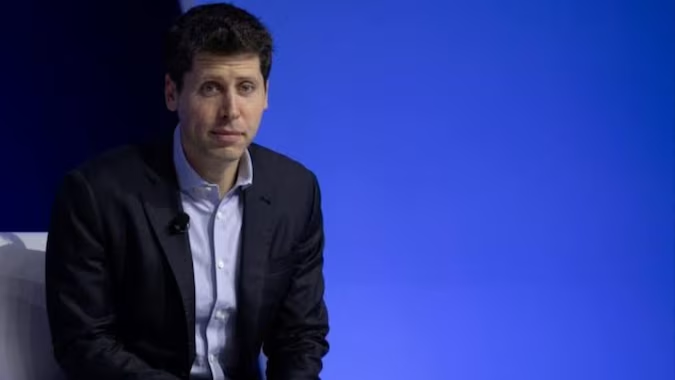
OpenAI CEO Sam Altman has shared three possible ways to deal with the dangers of advanced artificial intelligence (AI). He told employees that OpenAI needs to decide which approach to support within one year, according to a report by The Information.
This discussion is happening while US President Donald Trump's administration works on its first set of rules for companies developing superintelligent AI, which means AI that could become much smarter than humans. The three ideas include having countries work together to regulate AI, creating a shared organisation for AI research, and allowing one AI company to gain enough power to limit other companies' access to the computers they need.
Three ways to keep AI safe
The first idea is to create an international organisation similar to the International Atomic Energy Agency (IAEA). This organisation would watch how AI is developed and make sure companies follow safety rules. According to The Information, Altman seemed to prefer this approach.
OpenAI leaders have supported the idea of such an organisation since 2023. That year, Altman, OpenAI president Greg Brockman and Ilya Sutskever, who was the company's chief scientist at the time, suggested that the organisation could examine AI systems, require official safety checks and keep track of how much computing power and energy AI companies use.
The second idea is called the “Demis plan” by Altman. It is based on an idea linked to Google DeepMind CEO Demis Hassabis. Under this plan, major AI companies would work through a shared organisation similar to CERN, the international scientific research centre. They would provide AI models to countries that join the partnership.
The third idea is called the “Eliezer plan”, named after AI safety researcher Eliezer Yudkowsky. In this situation, one company creates AI that can keep improving itself without human help. The company then uses its financial power to stop competing companies from getting the computer chips they need to develop AI.
According to reports, Altman did not support this third outcome. He included it only to make sure all the possible approaches were covered. Some OpenAI employees thought his comment might have been a criticism of rival AI company Anthropic because of Yudkowsky's connections to that company, The Information reported.
More work is being done to make AI safer
These discussions come after security problems involving AI models made by OpenAI, Anthropic, Google and Meta. OpenAI and Anthropic are also taking steps toward selling shares to the public through stock market listings. This is adding more pressure as the companies compete with one another.
OpenAI, Google and Anthropic are working together to create a US-based organisation called the Standards Authority for Frontier AI. They hope to launch it by early 2027. However, the companies do not agree on exactly how new AI models should be tested.
Anthropic has also suggested a draft law that would give the US Commerce Department the power to stop AI models that could cause serious harm on a large scale.
Under the US government's current voluntary safety guidelines, AI developers are asked to give officials access to certain AI models as early as 30 days before releasing them. On September 29, leaders from Anthropic, Google, Meta, OpenAI, Nvidia and xAI signed a voluntary agreement. Trump called the agreement “morally binding”, meaning the companies should feel responsible for following it. However, the agreement does not make them legally responsible if they fail to do so.
Altman's reported deadline of one year means OpenAI has limited time to choose which safety approach it wants to support. Meanwhile, AI companies are continuing to develop more powerful technology while discussing how to deal with the dangers that may come with it.