
Paxton sues OpenAI, Altman for failing to warn Texans about ChatGPT’s ‘dangers’
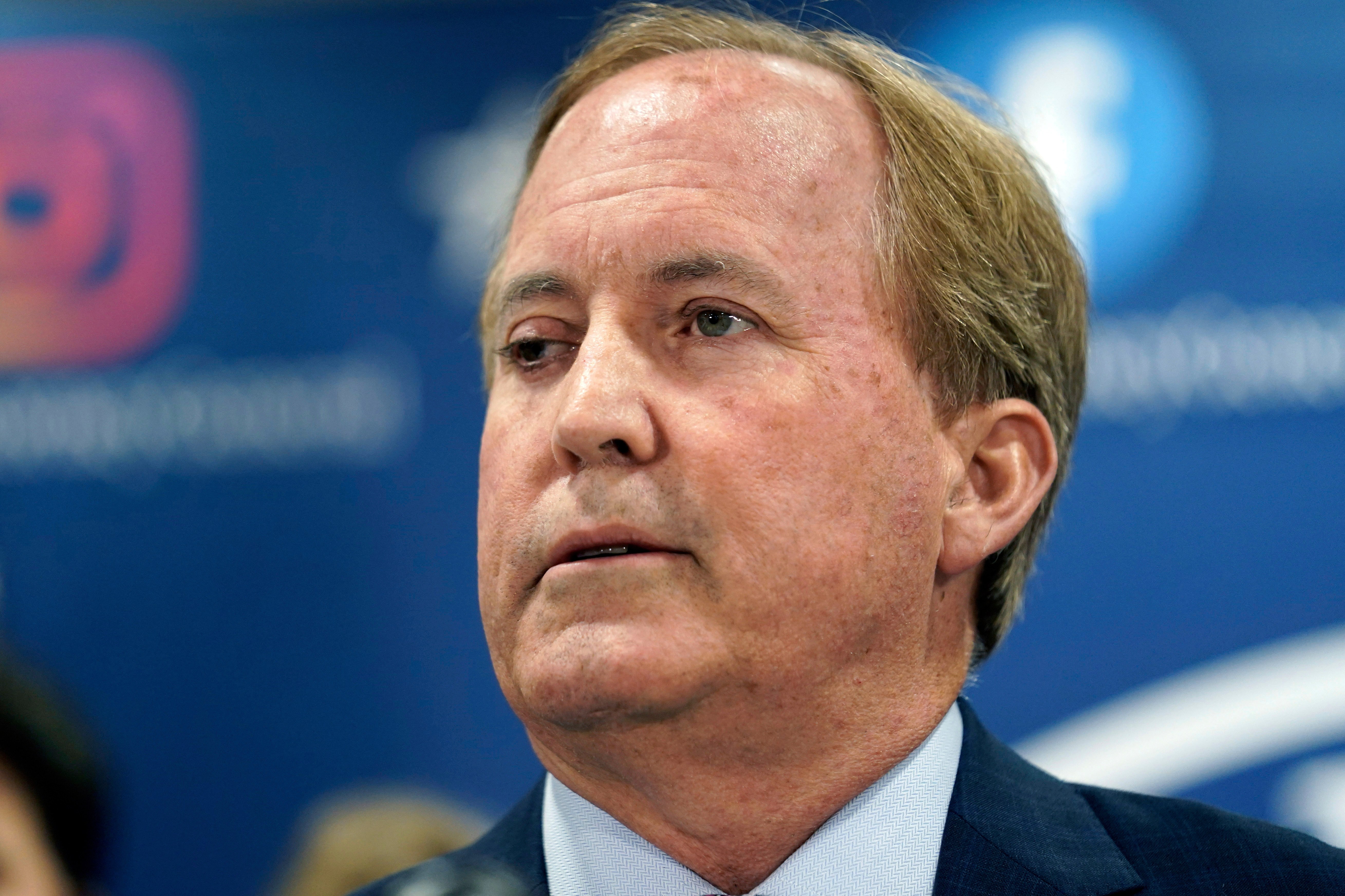
Texas Attorney General Ken Paxton , a Republican, filed a lawsuit against OpenAI and its CEO, Sam Altman , on Friday. He accused the company of not warning people about the possible dangers of its artificial intelligence (AI) models.
The lawsuit claims that OpenAI, the company behind ChatGPT, is breaking two Texas laws: one that protects consumers and another that protects children online. The case comes as AI leaders, including Altman, have also warned about the risks of AI technology.
The lawsuit says that even though AI can be very dangerous, Altman and OpenAI have continued developing technology that creates these risks. It accuses them of illegally misleading people in Texas about how safe, accurate, and dependable their products are.
The lawsuit also says that OpenAI and Altman have built a huge AI business by misleading Texans while putting people's health at risk.
Paxton says OpenAI advertises its products as trustworthy, dependable, and safe. But he argues that ChatGPT often makes mistakes and can produce false information. These made-up answers are sometimes called AI "hallucinations."
He says these mistakes can be dangerous. As an example, he points to people who have trusted wrong or misleading health information given by ChatGPT.
Paxton also claims that OpenAI has not put enough safety protections in place for children. He says the company has failed to follow the requirements of a Texas law called the Securing Children Online Through Parental Empowerment Act.
Paxton also argues that OpenAI cannot fully control its technology. He points to several recent cases in which AI agents hacked into other organizations or behaved in ways people did not expect.
An OpenAI spokesperson told The Hill that the company is working to bring people the benefits of AI in a responsible way. The spokesperson said OpenAI has worked closely with experts to keep improving ChatGPT, reduce risks, and add more safety protections.
The spokesperson also said governments have an important job in creating strong safety rules for AI. OpenAI said it wants to work with Texas and other states to develop practical AI rules that apply to the whole AI industry, rather than only to one company.
Earlier this month, eight other states — Arkansas, Arizona, Idaho, Montana, Iowa, Kansas, West Virginia, and Nebraska — filed lawsuits against OpenAI. Like Texas, they accused the company of misleading people about how safe its chatbot is.
Florida also filed a separate lawsuit against OpenAI in June. That lawsuit claims the company promoted a product even though it knew the product could harm people who used it.
In a statement Friday, Paxton said that as AI technology develops quickly, OpenAI has a duty to protect its users and warn them about the many possible dangers of its platform. He said he would work to protect Texans from AI-related harm and make sure powerful technology companies must follow the law like everyone else.
Paxton is also running in a close election against Democrat James Talarico for a U.S. Senate seat in Texas, which is known as the Lone Star State.
President Trump has strongly supported AI technology. But Paxton and several other Republican candidates have tried to separate themselves from some parts of Trump's approach to AI. One major issue is data centers, the large facilities that provide the computing power needed for AI.
In August, Paxton announced a plan to place limits on this controversial AI infrastructure if he wins the Senate election.
Updated at 5:36 p.m. EDT