
How AI-Generated Backgrounds Are Changing Men’s Digital Photography
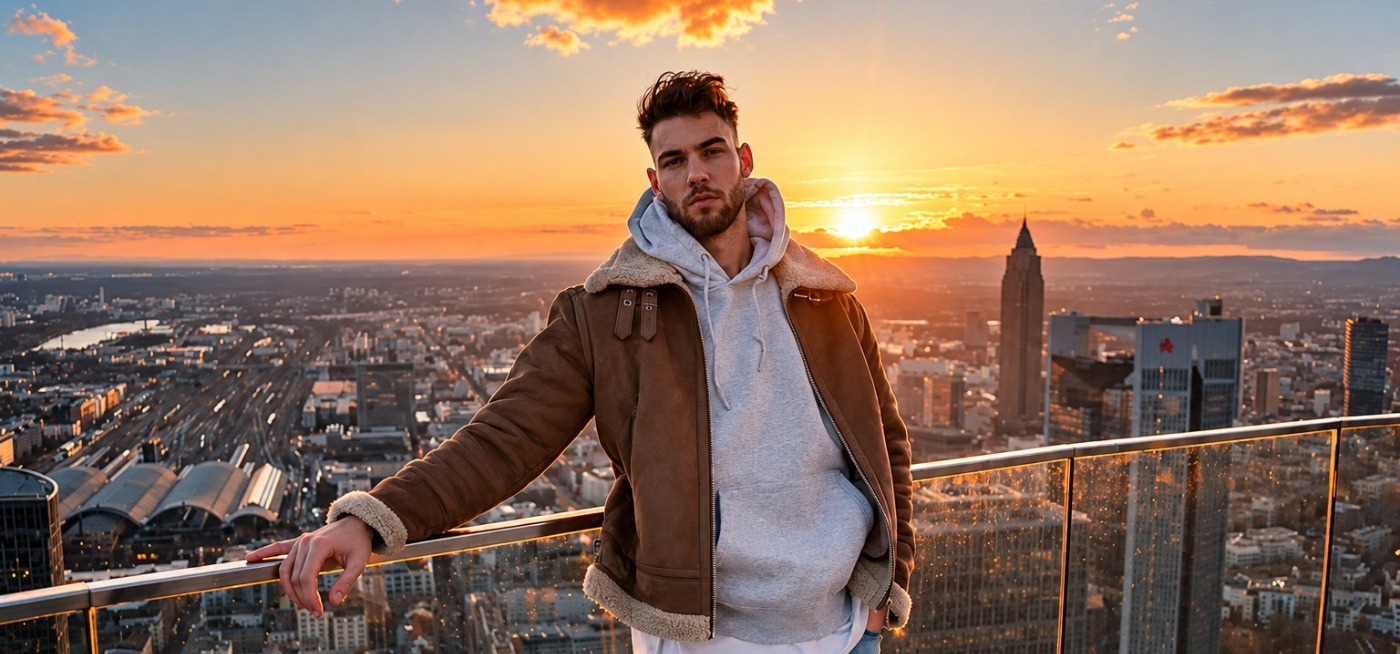
Digital photography is now part of everyday life for many men. They take pictures of their clothes and grooming, share gym updates, save travel memories and create professional profiles. Smartphones now have cameras that would have impressed a professional photographer twenty years ago, making it easier than ever to take good pictures. But even a well-framed photo can look disappointing if the background is messy, poorly lit or does not match the mood. A sharp new suit loses some of its style when it is photographed in front of a bedroom wardrobe with the door hanging open.
Artificial intelligence (AI) is changing how people deal with this problem. AI background tools let users create new settings, try different styles and improve the overall look of a photo without expensive equipment or advanced editing skills. For men who want polished digital content without spending hours preparing every photo, this is a useful change. You no longer need a studio to take good pictures. You just need to give them some thought.
Table of Contents
Why Backgrounds Matter in Modern Photography
A photo's background affects how the person in it appears to others. In men's fashion photography, a plain background keeps the focus on the clothes, shoes and accessories. A rough, textured city wall can work well with streetwear, while a clean, simple studio background can make a fitted blazer look more elegant. The same outfit can create two very different impressions depending on what is behind it.
Backgrounds are just as important in professional portraits and social media photos. A messy room, a pile of laundry in the corner or poor lighting can make an otherwise good photo look less impressive. Traditional photography deals with this by finding the right location before taking the picture. Digital editing offers another way to fix the problem afterward.
AI-generated backgrounds give people more freedom by letting them try different settings after taking a photo. Instead of planning a complicated photo shoot across town, someone can test several styles using one good picture taken in the hallway at home. It is a bit like trying on different outfits without leaving the bedroom.
How Artificial Intelligence Creates New Backgrounds
AI background tools use machine learning models to study visual details and create images based on written descriptions, existing pictures or other editing instructions. Depending on the tool, users may be able to replace an existing background, create a completely new setting or change the atmosphere around the main subject.
The process usually starts with choosing a photo and marking the area to change. The software then studies the person and the surroundings before creating a new background that fits the picture. This often takes only a few seconds, sometimes less time than it takes to boil a kettle.
For example, a casual portrait could be placed against a clean building exterior, a softly lit studio wall or an open countryside scene. How realistic the result looks depends on the quality of the original photo, how accurately the person is separated from the background and how clear the instructions are. Better starting images and clearer instructions usually lead to better results.
A free AI background generator can help users try these creative options without necessarily paying for expensive editing software. Tools like this are useful for testing different ideas before choosing the style that works best for a particular photo. Users can try five different looks in the time it once took to find a single location.
Practical Uses for Men's Fashion and Lifestyle Content
Improving Outfit Photography
People interested in fashion often take pictures of their outfits to record their personal style, share recommendations or build a digital portfolio. A well-chosen background can work well with the colours of the clothes and make small details, such as the stitching on a jacket or the texture of a knitted garment, easier to see.
For example, clothes in earthy colours can look great against soft, natural textures, while an all-black outfit can stand out against a background with contrasting colours. AI-generated settings make it possible to test these combinations without travelling to many different places on a rainy Sunday. The outfit stays the same, but the impression it creates can change.
Creating Better Fitness Content
Fitness photos often show gym machines, mirrors and other people exercising in the background. Sometimes this is fine, but these details can also distract viewers from the person the photo is meant to show. Nobody sharing progress pictures wants a stranger caught in the middle of a squat to steal the attention.
A cleaner background can make workout progress photos and fitness content look more organised. However, edits should still keep the image truthful, especially when it shows real physical progress. A transformation photo only has meaning if the transformation is genuine.
Enhancing Professional Portraits
Job applications, professional networking profiles and personal websites all benefit from clear, well-presented portraits. A simple office-style or plain background can create a professional impression without the cost of booking a photography studio. With a little editing, a decent photo taken by a friend against a plain wall can look suitable for a job application.
The best background usually supports the person without drawing attention away from them. Recruiters want to see the job candidate, not the scenery.
Tips for Achieving Natural-Looking Results
AI technology has improved greatly, but good editing still requires careful choices. A few simple practices can make a big difference in how realistic a photo looks.
First, start with an original image in which the person's outline is clear. Hair, glasses, hands and the edges of clothing can be difficult for editing software to separate properly, especially in a blurry photo. A sharp picture taken near a bright window gives the software much clearer details to work with.
Second, pay attention to the direction of the light. A man photographed in bright summer sunlight may look out of place against a dark indoor background. Matching the brightness, shadows and colour of the light helps the person and the background look as if they belong together. When the lighting does not match, viewers often notice something is wrong, even if they cannot explain exactly what it is.
Third, choose a background that fits the purpose of the photo. A dramatic, futuristic city scene might be perfect for a creative project but could look very strange in a professional portrait for an accounting firm.
Finally, check the finished image at its full size. Small mistakes around the shoulders, hair or accessories become much easier to spot on a large screen than on a phone.
Responsible Editing and Digital Authenticity
AI-generated images also raise important questions about whether a photo is truthful. Changing a background is usually a simple visual adjustment, but an edit can mislead people if it suggests that someone visited a place or attended an event that never happened. A holiday photo that makes it look as though someone visited a beach they never went to is not just a style choice. It creates a false story.
The purpose of the image matters a great deal. Personal style experiments and creative projects allow plenty of room for imagination, while journalism, professional records and content that relies on evidence require much greater accuracy. The same edit can be harmless in one situation and misleading in another.
Privacy also deserves attention. Before uploading photos to an online editing service, it is wise to read its privacy policy, check how it handles images and review the relevant account settings. Photos showing other people or containing sensitive details need extra care. A friend who is happy to appear in a casual group photo may feel very differently about that picture appearing somewhere unexpected.
Conclusion
AI-generated backgrounds are making photography more flexible for men's fashion, fitness, professional profiles and everyday digital content. They offer an alternative to complicated location planning and make it easy to try different visual styles.
The best results still depend on good photographic judgement, suitable lighting, realistic composition and responsible editing. When these principles guide the process, AI background generation becomes a useful creative tool rather than a replacement for careful photography. The technology can change the scenery, but it still takes a good eye to choose the right setting.