
Google DeepMind employees resign over Pentagon AI deals, citing ethical concerns | Trending
Google is facing criticism from its employees because it is doing more work on AI for the military. Some Google DeepMind workers have resigned because they are worried about the ethics of this work. Their departures have raised questions about the dangers of using AI in war and whether humans can properly supervise these systems as they become more widely used in military operations.
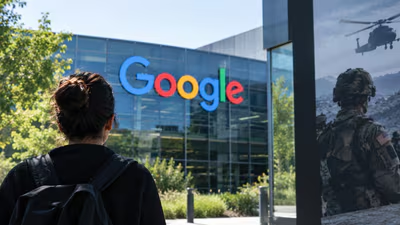
Why Google DeepMind employees are resigning
According to a BBC report, Sofia Liguori, a research engineer based in London, resigned from Google DeepMind after working there for three years. She said the company's growing work on military AI had made her question whether it was still following its ethical principles.
“Realising my company is pushing more and more for AI systems in military operations makes me feel ashamed to work at Google,” Liguori told the BBC.
AI researcher Andreas Kirsch also resigned because he was worried about how the company is managed and how its work is checked. He questioned whether Google could properly monitor how the US military uses its technology, especially in secret military operations.
These concerns come as Google and several other technology companies have signed agreements allowing their AI systems to be used in secret US military settings.
Concerns about using AI in war
The US Department of Defense has made using AI a major goal. Defence Secretary Pete Hegseth has said the country wants its military to put AI first, according to a BBC report on the Pentagon's plans.
However, critics say fast-changing AI systems need more testing and safety measures before they are used to make important military decisions.
Sarah Shoker, who previously led OpenAI's Geopolitics team, warned that AI could leave human operators with less time to judge possible targets. She said that when AI systems quickly produce many suggestions, it becomes harder for people to check every result and find mistakes.
The main question is whether human supervision can still make a real difference when military staff are expected to make decisions very quickly.
What Google says about its AI principles
Google has defended its approach. The company says it checks contracts with public-sector organisations to make sure they follow its policies and AI principles. A company spokesperson also said that employees have special channels for raising concerns and that workplace rules protect them from punishment for speaking up.
Google's AI principles say that people should oversee AI systems and that their use should follow international law and respect human rights.
However, some current and former employees told the BBC that they are still worried about how these promises are followed in secret military settings. They also said they fear that speaking publicly about the company's military work could harm their careers.