
UK, Nigeria deepen AI governance partnership, push international standards
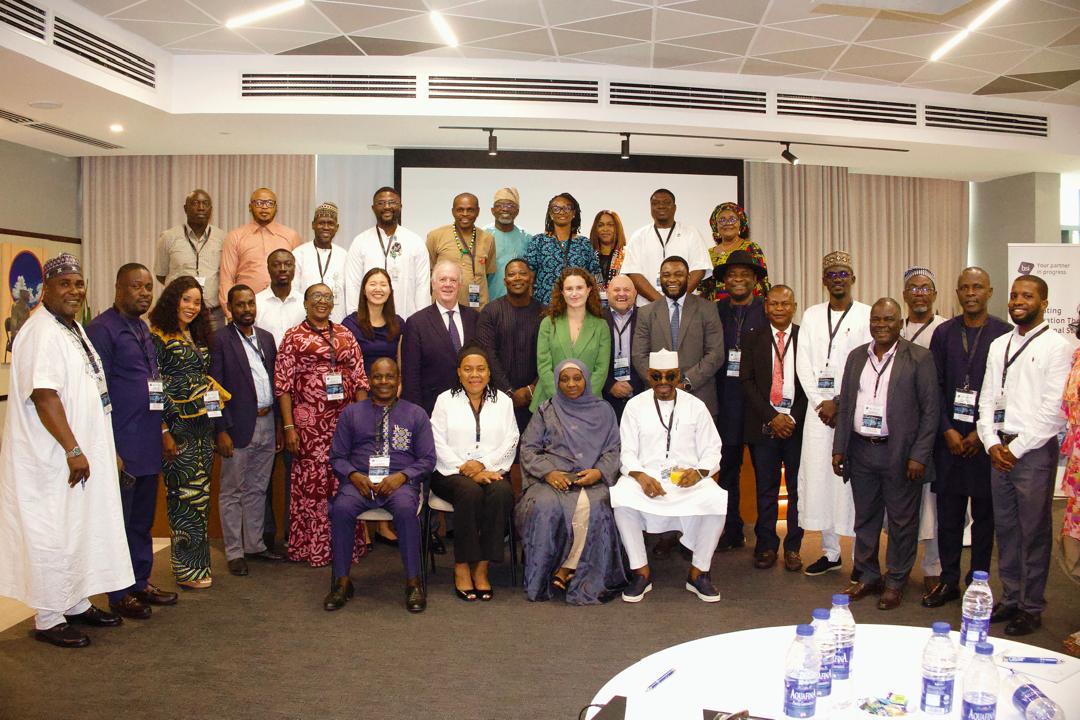
The United Kingdom (UK) and Nigeria are working more closely together on rules for artificial intelligence (AI) and digital development. Both countries are exploring the use of international standards to improve regulation, build public trust and attract investment to Nigeria's digital economy.
The renewed partnership was highlighted during a four-day programme organised by the British Standards Institution (BSI) and the National Centre for Artificial Intelligence and Robotics (NCAIR). The programme was part of the UK Government's Digital Access Programme.
The programme included a workshop for senior leaders on AI governance and standards. Government officials, regulators and technology experts came together to discuss practical ways to manage AI risks, improve oversight by institutions and encourage the responsible use of new technologies.
At a high-level reception in Abuja marking the end of the programme, the British High Commission said the initiative showed the UK's commitment to supporting Nigeria's digital development. It also highlighted the importance of building strong institutions so Nigeria can use AI to support economic growth.
The workshop focused on internationally recognised rules and guidance for managing AI, assessing risks and ensuring accountability. These included ISO/IEC 42001, which sets requirements for AI management systems, and ISO/IEC 23894, which provides guidance on managing AI risks.
Grace Bell, the British High Commission's First Secretary for Economic Partnerships and Digital, said at the event that AI could create major opportunities for economic growth, innovation and social development. However, she said effective governance was needed to ensure these benefits could be achieved safely.
“Artificial Intelligence presents enormous opportunities for economic growth, innovation and social development. However, realising these benefits requires the right governance frameworks, strong institutions and trusted standards that can underpin safe, secure and responsible adoption,” she said.
Bell said the partnership between the UK, BSI and Nigerian institutions showed their shared commitment to using international standards to support innovation, investment, trade and public trust in new technologies.
“The UK is proud to support Nigeria’s digital transformation journey. Our collaboration with BSI, NITDA, SON, and the Federal Ministry of Communications, Innovation and Digital Economy reflects a shared belief that standards are not simply technical tools; they are strategic enablers of innovation, investment, trade and public trust,” she said.
She added that following internationally recognised standards could help create the conditions for lasting digital growth and provide more opportunities for businesses, governments and citizens.
The partnership includes several Nigerian institutions: the National Information Technology Development Agency (NITDA), the Standards Organisation of Nigeria (SON), the Nigeria Data Protection Commission (NDPC) and NCAIR. The work focuses on building skills and knowledge, supporting policy discussions and encouraging the use of international standards for new technologies.
Beyond AI governance, the partnership also covers digital trust, data governance, cybersecurity, smart infrastructure, digital public services and electronic waste management. These efforts aim to establish shared standards for Nigeria's growing digital sector.
Speaking for the Nigerian government, NCAIR National Coordinator Dr Olubunmi Ajala stressed the importance of building local expertise and strengthening institutions so they can govern AI effectively. He thanked the UK government and BSI for their continued support.
Ajala said the partnership had moved beyond theoretical discussions about new technologies. It was now focused on building the skills and strength of institutions to help Nigeria manage its digital development priorities.
He also called for a permanent group involving different government departments to share knowledge and improve coordination among public institutions working on AI governance.
The workshop ended with recognition for officials who completed the programme. These participants added to the number of public-sector workers trained to support the responsible use of AI in Nigeria's public and private sectors.
In a related development, BSI met with the National Environmental Standards and Regulations Enforcement Agency (NESREA) and the Climate Finance team of the Foreign, Commonwealth and Development Office. The meetings aimed to review ways of managing electronic waste in Nigeria and identify opportunities to improve cooperation on standards for digital trade.
These meetings expanded the partnership beyond AI rules to include other challenges linked to digital growth. These included protecting the environment and using trusted standards to make trade between countries easier.
The partnership comes as Nigeria works to grow its digital economy and strengthen the rules and policies that govern new technologies. Using internationally recognised standards is expected to help different systems work together, improve cybersecurity and data protection, and give organisations clearer guidance when using AI systems.
The British High Commission said it would continue working with BSI and Nigerian institutions to encourage innovation based on standards and support a digital economy that is inclusive, secure and sustainable.