
Nigeria AI Collective calls for stronger African ownership of AI infrastructure, innovation
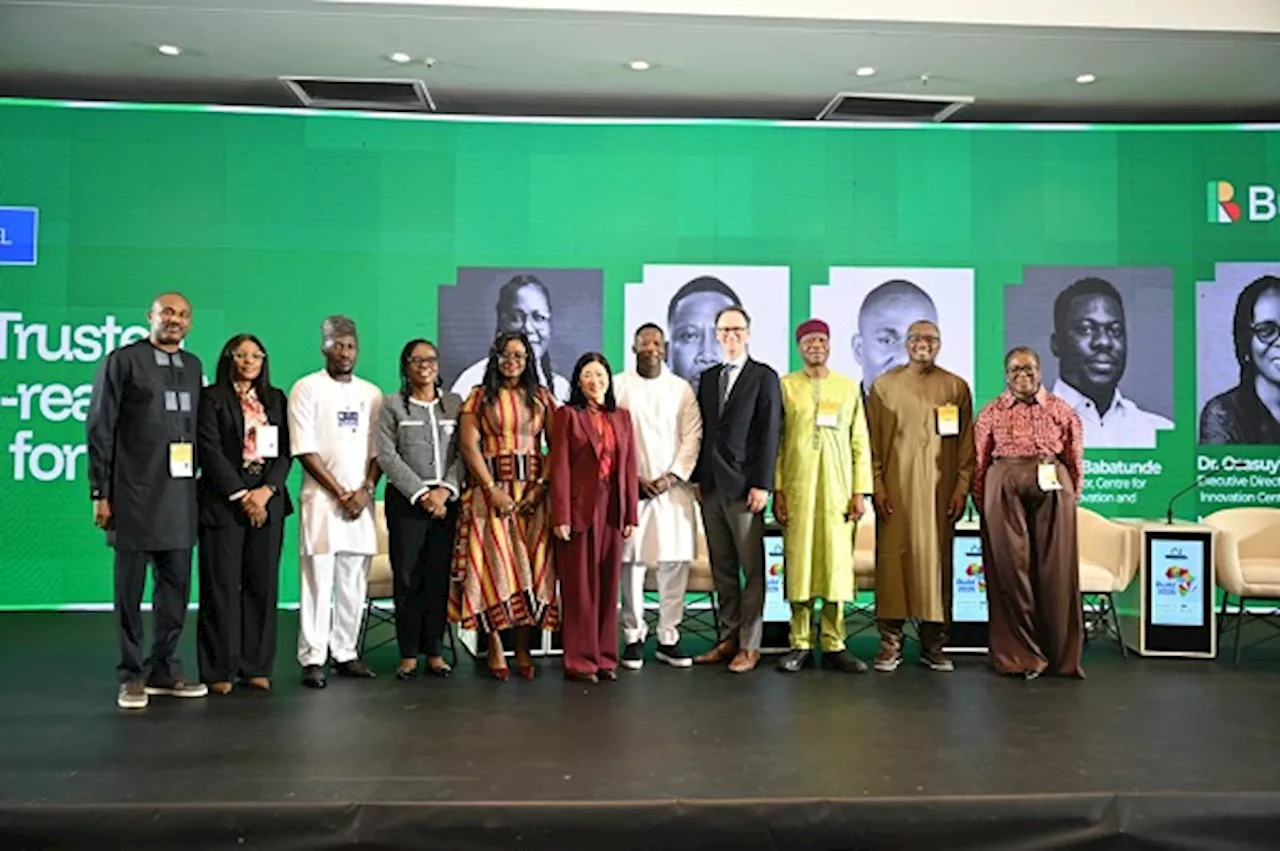
The Nigeria AI Collective has called for Africans to have more ownership of artificial intelligence (AI infrastructure and innovation). It urged people and organisations involved in AI to improve computing power, electricity, internet access and cooperation between African countries to help the continent reach its AI goals.
The event brought together government policymakers, researchers, investors, technology companies and innovators. They discussed how Africa could build, share and manage the computer systems needed to develop and expand AI tools that address the continent's needs. In her welcome speech, Dr Osasuyi Dirisu, Executive Director of the Policy Innovation Centre and host of the Nigeria AI Collective Secretariat, said the collective was set up about two years ago. Its goal was to support an approach to AI development that includes different groups, is led by local people and follows Nigeria's National Artificial Intelligence Strategy.
She said Build 2026 continued this work by bringing people together to promote African priorities in global AI decision-making and create partnerships for an AI industry that includes more people and can compete globally. Dr Olubunmi Ajala delivered a keynote speech on behalf of the Minister of Communications, Innovation and Digital Economy. She explained that Nigeria needs reliable electricity, good internet connections, cloud computing and access to advanced computer chips to strengthen its AI infrastructure.
Dr Ajala also spoke about the benefits of African countries working together. She suggested connecting computing resources in Nigeria, Rwanda, Senegal and Kenya to increase the continent's ability to develop AI.
“We need to look at how we can connect these resources,” he said, stressing that sharing computing resources could help support more advanced AI tools. Melanie Hui, Chief Executive Officer of Luminate, also stressed the need to ensure that Africa's growing AI industry leads to greater local ownership and shared economic benefits.
She said Africa's role in the global AI economy should involve more than simply using technology. Africans should also have a real say in the computer systems, organisations and partnerships that shape the continent's digital future.
“Equitable ownership means moving beyond participation alone. It means having meaningful influence over the infrastructure, the institutions, the partnerships, the choices that will determine Africa’s digital future,” Hui said. Build 2026 also showed practical ways AI is being used, with demonstrations of tools developed in Nigeria and other parts of Africa. One of the main features was the Build AI Garage, where innovators could present their ideas to people and organisations involved in AI.
The showcase helped innovators gain attention, receive feedback and connect with possible partners. It also showed how AI tools developed locally can help solve real problems. During the conference, main sessions, research presentations, technical workshops, discussions about different industries and demonstrations of new ideas brought together people from across the AI community. Participants from African countries and other parts of the world showed why sharing knowledge and working across borders are important for improving Africa's AI skills and resources.
Through Build 2026, the Nigeria AI Collective brought together discussions about infrastructure, policy, research and practical innovation to explore Africa's future in AI. As the first edition of the conference comes to an end, the AI Collective hopes to build on this work and develop “Build” into a widely used platform for discussion, cooperation and action on AI across Africa.
The Nigeria AI Collective is a community that brings together people with experience in civil society, universities, innovation, policymaking and the wider AI industry. Its aim is to advance AI in Nigeria and help ensure that it is safe, ethical, inclusive and beneficial to everyone in society. The collective is developing an approach to AI projects in Nigeria that includes different groups and is led by local people. It works both within Nigeria and internationally, follows the National Artificial Intelligence Strategy and encourages cooperation with government institutions.
The AI Collective receives support from Luminate, the Ford Foundation, AI Collaborative and the MacArthur Foundation. Five leading Nigerian organisations manage the collective and work closely together: the National Centre for Artificial Intelligence and Robotics, the Policy Innovation Centre, Lagos Business School, Data Science Nigeria, and the Centre for Journalism, Innovation and Development.