
Judge Detains Former OpenAI Engineer Without Bail in Espionage Case
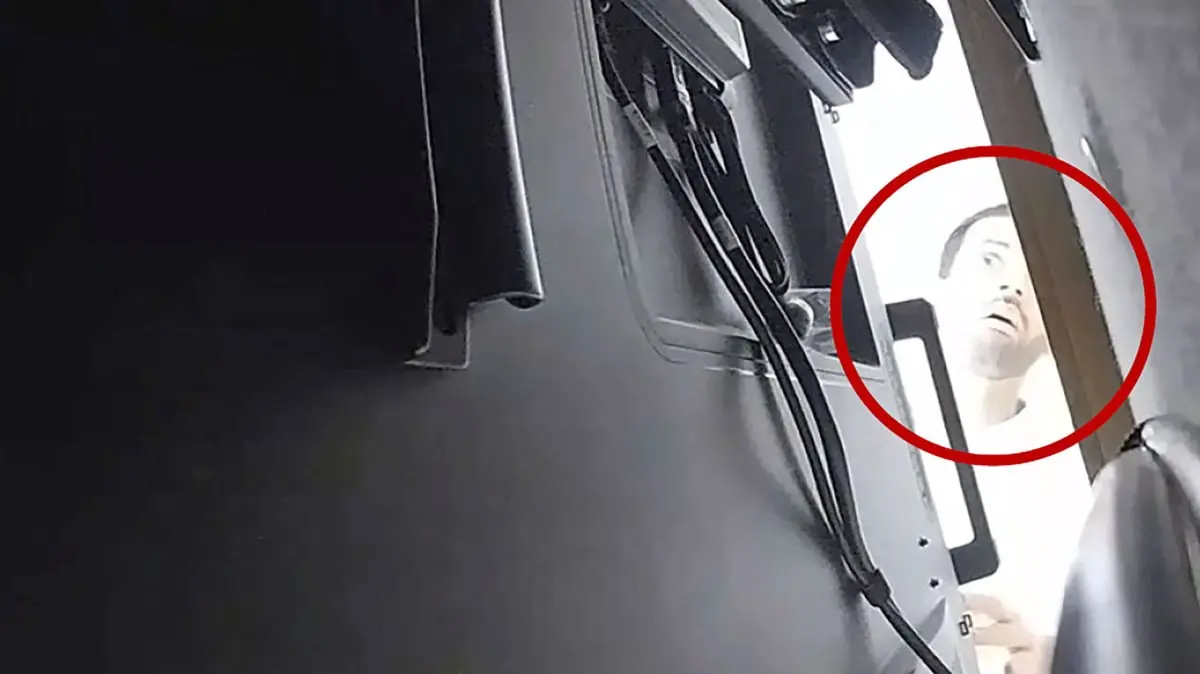
A federal judge in San Francisco ordered former OpenAI engineer Abdulrahman Alfozan, 35, to remain in jail without bail while he waits for trial. He is accused of putting a recording device in a meeting room used by company executives. Prosecutors said his connections in other countries and access to support from abroad make it a serious risk that he could flee. They also said the case could involve national security concerns.
The decision came after a hearing on Monday, October 19, 2026. During the hearing, Judge Alex Tse questioned whether an offer from the Saudi Consulate in Los Angeles to pay all of Alfozan's bail would be enough to make sure he returned to court. Alfozan has been in jail since his arrest on October 9. If convicted, he could face up to five years in prison.
According to a document filed by federal prosecutors, the device was allegedly placed inside a television at OpenAI's headquarters on September 28. Investigators are looking into what happened, including meetings between OpenAI executives and government officials in the same room around the time the device was allegedly installed.
The filing said the alleged actions "could pose a danger to the national security of the United States." Prosecutors also warned that the investigation is still underway and could lead to more charges.
Prosecutors also pointed to what Judge Tse called a "significant" risk that Alfozan might flee. The judge questioned whether the Saudi government's promises to provide money and supervise Alfozan could be trusted.
Tse called the consulate's offer "problematic."
"It seems like a blank check: 'We're gonna pay whatever the court wants to make sure he gets out,'" Judge Alex Tse said during the hearing.
As the judge described it, the proposed plan included financial guarantees, supervision and limits on travel documents.
"The Saudi government is saying, 'We'll take care of everything, we'll have supervision, we will pay the bond, we're not going to approve any travel documents,'" Tse said.
The judge questioned whether these promises would really protect US interests if Alfozan were released.
"But what confidence do I have that they're going to protect the interests of the [U.S.] government?" Tse said.
He also raised the possibility that Alfozan might go to a country other than Saudi Arabia to avoid returning to court.
"That he's not going to flee? He doesn't have to go all the way to Saudi Arabia," Tse said.
"He just has to go to Canada or Mexico ... I don't see how that is in his favor," the judge added.
Tse noted that Saudi Arabia does not have an extradition treaty with the United States. Prosecutors also stressed this point when arguing that Alfozan should not be released.
In its filing asking the court to keep Alfozan in jail, the prosecution said he had "ample resources ... and what appears to be considerable support from a foreign government that has (i) no extradition treaty with the United States; (ii) limitless resources; and (iii) the ability to provide extraordinary travel assistance, including based on similar circumstances in this District."
Prosecutors argued that these connections could help him move to another country and avoid facing charges.
"He has the connections needed not only to flee, but to build a new life in Saudi Arabia. The Court should order the defendant detained pending trial," prosecutors wrote.
The filing also described Alfozan's messages with an unnamed member of the Saudi royal family. Prosecutors said he had been "in frequent communications via WhatsApp with a member of the Saudi Royal Family" throughout 2025 and 2026. They said the latest known contact was on October 5, four days before his arrest.
According to prosecutors, the royal family member talked about a new Saudi artificial intelligence project and tried to recruit Alfozan to join it. The filing did not name the person or establish that they had ordered Alfozan to install the alleged recording device.
"Among other things, the individual [the royal family member] told the defendant [Alfozan] that an artificial intelligence initiative was being launched in Saudi Arabia and wanted the defendant to join it," the filing said.
Prosecutors also pointed to a conversation in May 2026 about Alfozan's future job and plans to leave OpenAI.
"Saudi needs you more then [sic] the US!" the unnamed person told Alfozan, according to the filing.
"100," Alfozan replied. Prosecutors understood this as agreement.
The filing said Alfozan had indicated that he would stay at OpenAI until his company stock had vested, meaning he had met the conditions to receive it. It did not claim that the royal family member directly told him to install a recording device or steal company information.
Alfozan also worked as a venture partner at Raed Ventures, a Saudi venture capital firm that invests in businesses. Prince Khalid bin Bader Al Saud, a member of the Saudi royal family, joined the firm as a venture partner in 2025. However, prosecutors did not say that he was the royal family member who communicated with Alfozan.
Prosecutors also described travel plans involving Alfozan's wife, Lujain Alassaf, and their 3-month-old son. According to the filing, the family planned to travel together to Saudi Arabia on October 12, but their plans changed after Alfozan was arrested.
The prosecution said the Saudi government and a member of the Saudi military arranged separate flights for Alfozan's wife and child. On October 10, they traveled from San Francisco to Doha, Qatar, on a business-class ticket paid for by the unnamed military member.
Alfozan's lawyer, William Pernik, told the court that his client was willing to offer $1 million in assets to secure his release, in addition to the money offered by the consulate. Judge Tse still ordered him to remain in jail and scheduled his next court appearance for November 6.
The case has also caused concern among OpenAI employees, especially those who are foreign nationals, according to a Washington Post report published on October 23 about foreign espionage involving artificial intelligence. The report described wider worries in the technology industry that closer checks on foreign employees and people holding visas could affect US progress in artificial intelligence and quantum computing.