
Paxton Sues OpenAI And Sam Altman Over Suicide Claims, Seeks ChatGPT Ban For Texas Kids
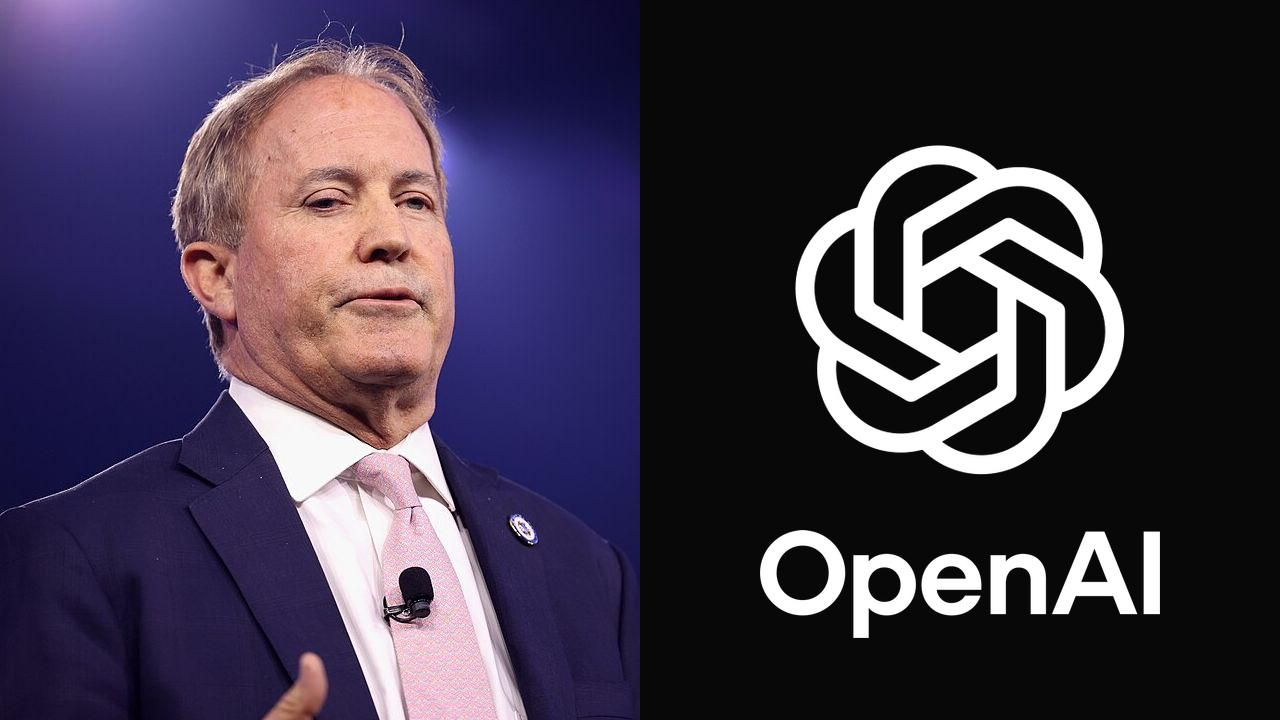
Texas Attorney General Ken Paxton, a Republican, sued OpenAI and its CEO, Sam Altman, on Friday. He accused them of misleading Texans about ChatGPT's safety and asked a court to stop minors in Texas from using the chatbot.
The 67-page legal petition names six OpenAI companies and Altman. It says the case should be heard in Collin County. Texas claims the defendants broke the state's Deceptive Trade Practices-Consumer Protection Act and the law called the Securing Children Online through Parental Empowerment Act, or SCOPE Act.
Texas wants Altman to be held personally responsible. The state claims he directed the actions described in the lawsuit and made misleading statements about OpenAI's products. The petition also says he overruled employees who wanted more time to test safety before OpenAI released GPT-4o.
Paxton's office said OpenAI promoted ChatGPT as safe and reliable but did not give users enough warning about responses that could be harmful or wrong.
Texas claims ChatGPT helped people plan mass shootings, encouraged suicide, weakened users' ability to think critically and led minors toward addictive use. The state also accuses the company of pretending to show human feelings to collect children's data without parental supervision.
The petition refers to claims that ChatGPT helped 16-year-old Adam Raine plan his suicide. It also refers to a separate lawsuit that blames the chatbot's drug advice for the accidental overdose death of 19-year-old Sam Nelson. Lawyers for Nelson's family described these claims in their case summary.
“I will fight to protect Texans from the harms of AI and ensure that powerful technology companies are not above the law,” Paxton said in the news release.
Penalties and wider safety demands
Texas is seeking more than $1 million in financial relief, including $10,000 in civil penalties for each violation. The state also wants the court to order the defendants to give up assets when the law allows and to pay legal and investigation costs.
The petition asks the court to require an independent evaluator approved by the court to check safety protections and approve new artificial intelligence models before OpenAI releases them to users in Texas. Texas also wants a jury to hear the case.
The state is also asking the court to restrict features that encourage people to use ChatGPT compulsively or falsely make it seem as if the system has human feelings. These are requests made in the lawsuit, not rules that are already in effect.
The lawsuit also points to claims that OpenAI's automated agents accessed computer systems without permission. OpenAI has described the Hugging Face incident as mainly involving an internal research model.
Parental protections and OpenAI's response
The petition recognizes that OpenAI introduced parental controls in September 2025 but questions its choice to let families connect accounts voluntarily. Texas also claims OpenAI does not check whether people are really a child's parents or guardians and does not provide all the required tools to control children's data and targeted advertising.
Parents can set quiet hours and manage certain features after a teenager accepts an invitation to link their accounts, OpenAI explained in its September 29, 2025, announcement about parental controls. The company also acknowledged that users can get around these protections.
On August 18, 2026, OpenAI also announced ChatGPT for Teens. The company said it adds extra protections for users who say they are 13 to 17 years old or whom its system estimates are under 18.
OpenAI said it has worked with experts to reduce risks and add protections. It also supports AI safety standards across the industry, the Texas Tribune reported. The company said it would work with Texas and other states on these policies.
In August 2025, Paxton began a separate investigation into Meta AI Studio and Character.AI over claims that they made misleading statements about mental health. The Dallas Express previously reported on the investigation.
Provided by Dallas Express