
Miyamoto Backs Generative AI: 3 Key Quotes Decoded [2026]
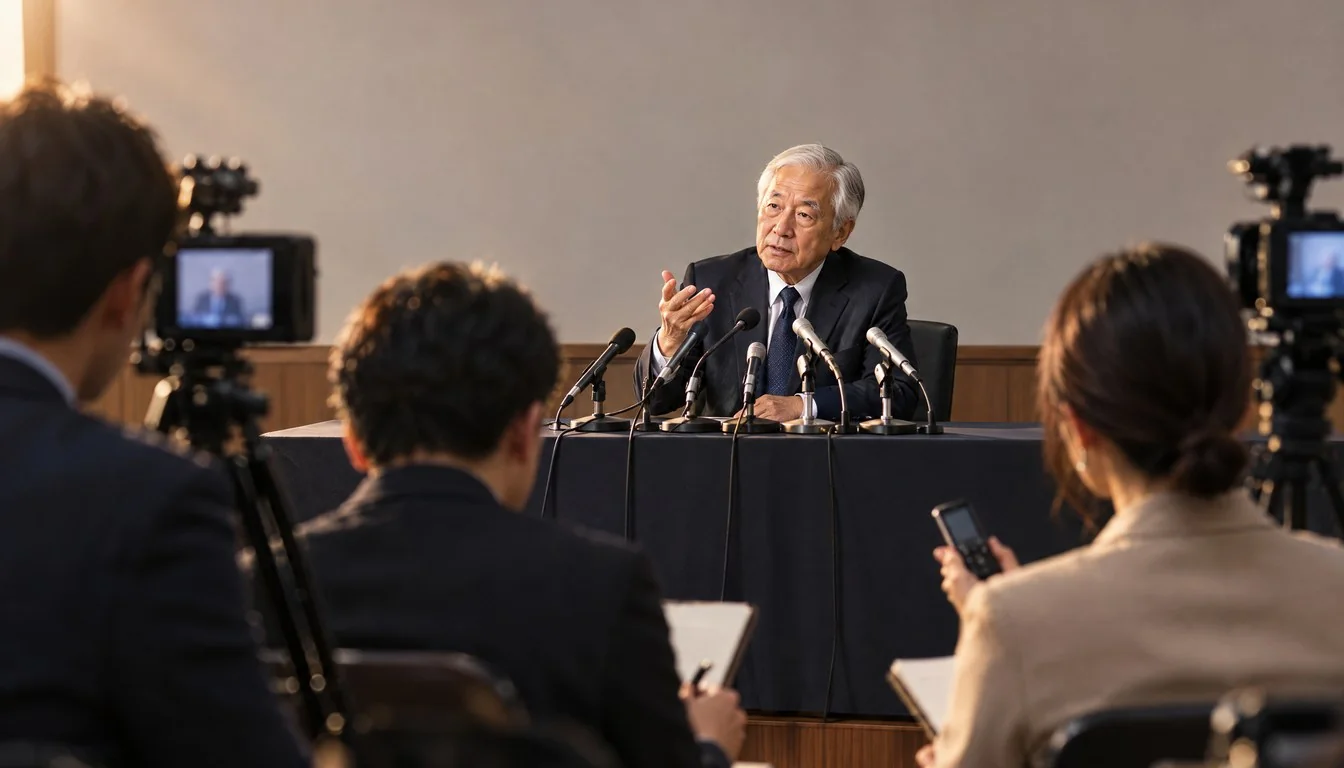
Shigeru Miyamoto of Nintendo has shown a more positive attitude toward generative AI than many people in the gaming industry expected. According to Wccftech, the experienced game designer said that as AI takes over more production tasks, creators get more chances to think about what really matters. He called this a positive change. Reports published on October 23 and 24, 2026, connected his comments to a press conference held after he was chosen to receive Japan's Order of Culture.
Who said this matters. Miyamoto helped shape the creative ideas behind Mario and Zelda, and his words matter to game makers far beyond Nintendo. His selection for the award had already attracted attention when news about Miyamoto's Order of Culture award came as the Mario films passed $2.3 billion. This article looks at another subject from that press event: his views on generative AI and what they could mean for game developers, publishers and players.
What Shigeru Miyamoto Said About Generative AI
Miyamoto's main point has several parts. He sees generative AI as another step in a long history of tools that take over some work so people can focus on making decisions. According to reports, he made a distinction between creating something and doing the work needed to finish it. In his view, AI can take over more of the hands-on work, giving creators more time to think about the ideas behind what they make.
Several news outlets reported his comments, including Wccftech, Eurogamer, Nintendo Wire, Nintendo Everything, Metro and Inven Global. Metro's headline said AI could have a positive effect on gaming. That is a fair reading, but it leaves out some important details. Miyamoto did not say developers should use AI without limits. His positive view comes with one important condition: the creator's own ideas and goals must remain in control.
The reports also describe two other points. First, Miyamoto warned that creators may enjoy the work of making something and mistakenly think the finished result is high quality. Second, he said work made by copying and pasting lacks a person's own design purpose and rarely lasts over time. These points explain the limits of his positive view of AI.
The Confirmed Quotes, Side by Side
Because this story depends on Miyamoto's exact words, it is useful to look at the reported quotes together. The first statement is short and introduces his view. He said, “I believe generative AI represents a similar shift.” The word similar refers to earlier changes in technology that he discussed. Those changes are explained in the history section below.
The second quote was the main focus of many headlines. Miyamoto said, “In that sense, the more AI replaces these tasks, the more it provides an opportunity to reflect on what’s really important, which I think is a positive thing.” Nintendo Wire published its report on October 23. Its headline stressed that Miyamoto does not believe AI will replace human creativity in game design.
The third quote is longer. Miyamoto said, “Because the process relies on an individual’s intent, with the computer serving as an assistant for the labor, I believe that even as technology continues to evolve, and even if AI were to eventually handle everything, there will always be a role left for us to play.” Nintendo Everything focused its headline on his point that people will always have a role.
| Statement | Core idea | What it implies for developers |
|---|---|---|
| Generative AI represents a similar shift | AI belongs in a line of tools that changed how work gets done | Treat it as a tool change, not an existential break |
| More AI replacing tasks means more reflection | Offloaded labor frees attention for what matters | Spend saved time on design decisions, not more output |
| A role will always be left for us | Human intent anchors the process even if AI handles everything | Keep a named human owner for creative direction |
| Labor can feel like quality | Enjoying the work can mask mediocre results | Review finished work against the original intent |
| Copy and paste rarely lasts | Work without individual intention fades | Avoid derivative output even if it ships fast |
Creating Versus Doing the Work
One of the clearest ideas in Miyamoto's comments is a difference that many game studio leaders understand but do not always explain. Creating means deciding what a game should be. Doing the work means filling in missing parts, improving details and completing the many tasks needed to turn an idea into a finished game. According to reports, Miyamoto believes AI mainly threatens this second kind of work.
The labor trap
Miyamoto's warning about enjoying the work deserves attention. Making something can feel rewarding, but that feeling can trick a team into thinking the result is good. He pointed out that creators may finish a long period of hard work and assume the result is high quality simply because they enjoyed the process or put in a lot of effort. Generative AI could make this problem worse because it can produce large amounts of material quickly. Producing more material can look like progress even when the quality is poor.
Why copy and paste fails
His second warning is about designs that copy existing work instead of adding something personal. Miyamoto said that work made by copying and pasting lacks an individual's particular design intention and rarely stands the test of time. This is a pointed comment about today's market. Generative AI models are good at combining patterns that already exist. Miyamoto's view suggests that simply mixing existing ideas is not enough to create a game that people will still want to play decades later.
Why the Reaction Called It Surprisingly Positive
Wccftech described Miyamoto's comments as a surprisingly positive view of generative AI. The word surprising matters here. For two years, people in gaming have argued about AI-generated art, AI voices and AI-written code. Many fans expected Nintendo, a company known for its hands-on approach to making games, to take a strongly negative position. A senior figure saying AI could have a positive effect challenged that expectation.
A fair reading, however, is that Miyamoto is positive about what people can do, not simply about the tools themselves. His argument depends on creators staying in control of their ideas and goals. If they lose that control, his reasoning points in the opposite direction. This helps explain why Nintendo Everything and Nintendo Wire focused on the lasting role of people, while other outlets highlighted his positive comments. Both approaches reflect what he said, but the first makes his conditions clearer.
An earlier interview reported by TechSpot around the opening of the Nintendo Museum suggests that this idea is not new. In that conversation, Miyamoto said, in paraphrase, that when everyone follows the same technology trend, Nintendo would rather take a different path. The two statements fit together. Nintendo can accept AI as a tool that helps with work without letting it decide the company's creative direction.
How Press Outlets Framed the Story
The same comments led to noticeably different headlines. These differences offer a useful look at how news outlets present the debate about AI in gaming. The table below compares the main angle each outlet chose, based on the headlines in the coverage reviewed.
| Outlet | Angle taken | Reported timing |
|---|---|---|
| Wccftech | Surprisingly positive outlook on generative AI | October 24, 2026 |
| Metro | AI could have a positive impact on gaming | October 23, 2026 |
| Nintendo Wire | AI will not replace human creativity in game design | October 23, 2026 |
| Nintendo Everything | There will always be a role for humans | October 2026 (day not confirmed) |
| Eurogamer | Even if AI handles everything, a role remains for designers | October 2026 (day not confirmed) |
| Inven Global | More tasks handled means more reflection on creating | October 2026 (day not confirmed) |
The difference between the headlines is clear. Two outlets focused on optimism, three highlighted the lasting role of people, and one stressed reflection. None presented Miyamoto's comments as a call to replace developers. This agreement is worth noting because it suggests that his words support neither an entirely negative view of AI nor an overly excited one.
Miyamoto vs Sakurai on Generative AI
Wccftech compared Miyamoto's comments with those of Masahiro Sakurai, the creator of Smash Bros., who has expressed a more negative view. According to reports, Sakurai worries that generative AI could flood the market with games that lack original ideas and fail commercially. We covered this concern earlier in Sakurai's warning that 19,000 Steam titles are only the start.
At first, the two designers seem to disagree. In practice, they share an important belief. Both think that work without original ideas is a danger, and both believe that a person's own creative purpose helps separate lasting games from forgettable ones. Sakurai describes what could happen when that purpose is missing. Miyamoto explains how creators can keep it present. Together, their views offer a warning and a possible answer to the same problem.
| Voice | Stance reported | Main worry or hope |
|---|---|---|
| Shigeru Miyamoto | Cautiously positive | AI frees creators to reflect, but intent must stay human |
| Masahiro Sakurai | More pessimistic | A flood of unoriginal, commercially unsuccessful games |
| Shuntaro Furukawa (Nintendo president) | Pragmatic | Nintendo has used AI-like systems before and watches for infringement |
Nintendo’s Corporate Stance Under Furukawa
Miyamoto is a Nintendo Fellow and a respected senior figure, but he does not set company policy. Nintendo's public position has been explained by its president, Shuntaro Furukawa. According to GoNintendo, Furukawa said Nintendo had used programs similar to AI in earlier game development. These included systems that help control the paths enemy characters take. The same report said Nintendo was watching for uses of generative AI that might violate intellectual property rights.
This background helps explain Miyamoto's comments. Nintendo has used automated systems for specific tasks for a long time. The new question is how generative AI should fit into game development and who is responsible for what it creates. Miyamoto addresses the creative side by saying that human intent must remain in control. Furukawa's comments address the legal side, including protecting Nintendo's existing intellectual property. Neither executive has announced a Nintendo game made with AI, and the reports do not confirm that such a project exists.
Historical Context: Tools That Reshaped Game Design
Miyamoto's comment about a similar shift invites us to look at earlier changes in technology. According to reports, he compared generative AI with changes such as moving from typewriters to word processors and the rise of computer-assisted design. Each change reduced the amount of manual work and made the creator's judgment more important. Eurogamer quoted him saying, “As computers and technology advanced, a designer’s true individual capabilities, such as their innate sense of layout, finally came to the fore.”
The gaming industry has seen this pattern many times. Game engines, middleware and asset stores have made it cheaper and easier to build games. The studios that did well were those with a clear creative vision, not necessarily those with the biggest collection of tools. Miyamoto believes generative AI may follow the same pattern. But there is another side to consider: speed. Earlier tools changed the way people worked over many years. Generative AI is changing work processes in months, leaving studios and unions less time to adapt.
The honor Miyamoto received also helps explain the attention. Our earlier article on how the Order of Culture waited 89 years for a game maker explains why this press conference attracted unusual interest. When a respected game designer speaks at such an event, even a brief answer about AI can become a statement about the wider gaming industry.
Market Impact: AI Anxiety Across Gaming
Miyamoto's comments did not cause any reported change in stock prices, and we found no market reaction directly linked to his words. However, worries about AI remain widespread. Investors are trying to understand whether AI could weaken the advantages held by major game franchises. We explored this issue in our report on TTWO's 1.98% slip as Opus 5.5 tested the GTA 6 moat. Miyamoto's argument offers another way to look at the issue. If human creativity and skill are what make games special, well-known creators and franchises may keep their advantages.
Workers may see the issue differently. Studio closures and layoffs have made AI a sensitive subject in the gaming industry. Readers who followed our coverage of the BioWare closure and its 400 job cuts may not find the idea of AI freeing people from manual work entirely reassuring. Telling developers that AI will handle certain tasks sounds different when those tasks are part of their jobs.
Hardware costs are another part of the picture. Reports have linked pressure on console prices to AI-related demand for computer components. We discussed this issue in our comparison of the Switch 2 price increase against the Steam Deck OLED. Whether or not Nintendo uses generative AI to make games, the wider AI boom already affects its business through the supply chain.
What This Means for Developers and Players
For developers, the practical lesson is to ask questions before deciding whether to use an AI tool, rather than automatically accepting or rejecting it. Does the tool reduce manual work, or does it replace a creative decision? Tools that save labor fit Miyamoto's view. Tools that take over decisions do not. If a team cannot name the person responsible for the creative purpose behind a feature, it may have crossed the line he described.
For players, Miyamoto's comments suggest that Nintendo will continue to connect quality with a clear human point of view. This does not guarantee that Nintendo games will be free of AI, and the company has not made such a promise. Instead, it suggests that Nintendo will judge tools by how well they help designers, not by how many things they can produce. Fans who value the carefully made feel of Nintendo games have some reason to feel cautiously reassured.
For the wider gaming industry, this story shows that the loudest opinions about AI are not always the most extreme. A respected designer with decades of experience has chosen a middle position, and the news coverage largely reflects that. You can read more about these issues in our gaming coverage hub.
What We Still Do Not Know
Several important details remain unconfirmed. The reports do not name a specific AI product or identify a Nintendo game that uses generative AI. They do not confirm a release date, price or technical specification. They also do not report any change to Nintendo's internal policies. Miyamoto shared his views at a press event; he did not announce a new product or project.
There is also an important point about the wording. The Wccftech headline describes an opportunity to think about what is truly important, but that wording does not exactly match the longer statements reported by news outlets. The direct quotes above are the safest record of what Miyamoto said. Anyone quoting him should use those statements rather than treating the shorter headline as his exact words.
Predictions: Where the Nintendo AI Conversation Goes Next
These are our analysis, not reported facts, and each could be wrong.
- Nintendo keeps its public line narrow. We expect the company to keep describing AI as a tool that helps with manual work and to avoid announcing generative AI features in its own games soon.
- Miyamoto’s quote becomes a reference point. Developers on both sides of the debate may cite his statement that people will always have a role, either to reassure others or to challenge the limits of his argument.
- The Miyamoto and Sakurai contrast shapes panel debates. Conference organizers often look for clear disagreements to discuss, and these two designers' comments provide one.
- Legal and IP questions move to the front. Furukawa's concern about infringement suggests that Nintendo's next public statement about AI may focus on protecting rights rather than creativity.
- Labor groups push for explicit intent-and-credit rules. Miyamoto's focus on individual intent gives unions a useful way to discuss how AI tools should be used in game studios and how people should receive credit.
The Takeaway on Miyamoto and Generative AI
Miyamoto did not endorse a product or announce a plan. Instead, he shared a basic principle: let machines take over manual work, then use the time saved to decide what is worth making. His warnings are just as important as his positive comments. Creators should not mistake effort for quality, and they should not assume that work made by copying and pasting will last. While the gaming industry continues to debate what AI means, a careful and conditional answer from one of its most respected designers is news in itself.
Frequently Asked Questions
What did Shigeru Miyamoto say about generative AI?
He said generative AI represents a shift similar to earlier changes in technology. He also said that when AI takes over more tasks, creators get more chances to think about what really matters. Even if AI eventually handles everything, he believes people will still have a role to play.
When were the comments reported?
News outlets reported the comments on October 23 and 24, 2026, depending on the publication. Miyamoto made the remarks after he was selected to receive Japan's Order of Culture.
Is Nintendo using generative AI in its games?
The reports do not confirm that it is. No specific AI product, Nintendo project, release date or technical specification was announced. Furukawa has previously said Nintendo used AI-like systems for tasks such as guiding enemy movement.
How does Miyamoto's view differ from Masahiro Sakurai's?
Wccftech contrasted Miyamoto's cautiously positive view with Sakurai's concern that generative AI could produce large numbers of games without original ideas that fail commercially. Both designers believe individual creative intent matters.
What risks did Miyamoto highlight?
He warned that creators might enjoy making something and wrongly assume the result is high quality. He also said that work made by copying and pasting lacks an individual's design intention and rarely stands the test of time.
Is the Wccftech headline an exact quote from Miyamoto?
Not exactly. The headline's wording differs from the longer statements reported by the outlets. The direct quotes in this article are a more reliable record of his words.
Does this change how Nintendo will make games?
The reports do not point to any change. Miyamoto shared his opinions at a press event, and Nintendo announced no new policy or project.