
OpenAI Uncovers Russian and Iranian Fake News Operations
Fake journalists placed nearly 100 articles in online media, while a Russian operation built a front think tank in Latin America
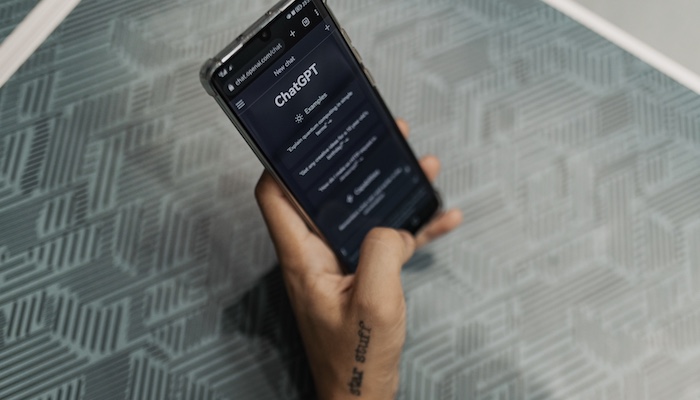
Illustration: Matheus Berelli via pexels.com
OpenAI has disrupted Russian- and Iranian-origin influence operations that used ChatGPT to spread deceptive geopolitical content, including through legitimate news outlets and a research organization whose local employees allegedly did not know who was behind it.
In a report published October 12, OpenAI detailed two campaigns that combined AI-assisted content production with fake identities, fabricated documents and coordinated online activity.
The Iranian operation, dubbed “Bogus Bylines,” used seven fictitious journalist personas to pitch articles about the US-Iran conflict to online publications worldwide. OpenAI identified nearly 100 articles published or syndicated across roughly a dozen outlets between July 2025 and October 2026.
The operators used ChatGPT to refine articles to meet individual publications’ submission criteria and draft emails to editors. They also generated batches of social media comments promoting narratives that portrayed the US as an aggressor and Iran as a resilient victim.
The articles reached audiences through established publications, while the accompanying social media comments generally attracted little engagement. OpenAI assessed the article-publishing activity at Category 4 on its six-point Influence Operations Breakout Scale, compared with Category 2 for the commenting campaign.
The Russian-origin operation, dubbed “Dark Clark,” took a different approach, using a purported Latin American research organization called the Social Research Center (SRC) as a front.
OpenAI said the operators appeared to control the organization through a fabricated persona named “Mia Clark.” Local employees conducted interviews and produced research, apparently unaware they were working for a Russian operation. OpenAI identified more than 60 articles on the SRC website, most of which appeared to be original.
The campaign reportedly sought to undermine Ukraine's reputation and influence domestic politics, particularly in Argentina and Bolivia.
The operators also used ChatGPT to help create fabricated documents and audio scripts. In one case, they drafted a fake letter implicating Ukraine's honorary consul in Panama in corruption. A matching document and accompanying voiceover subsequently appeared on TikTok through an account posing as a news outlet.
Other reported tactics included fake communications targeting schools in Peru and Ecuador. OpenAI found media coverage and official responses matching some of the operators' claims, although it cautioned that internal reports sometimes exaggerated the campaigns' impact or took credit for unrelated events.
OpenAI assigned Dark Clark Category 5 on its six-point scale, the highest rating it has given an operation since it began publishing these reports.
The company said both campaigns resembled influence operations that predated generative AI, with AI making it easier to produce, translate and refine content at scale. It banned the accounts involved and shared information with relevant authorities.
The findings highlight how covert campaigns can exploit the credibility of established publications and research institutions, reaching audiences who may have no reason to suspect that the material they encounter is part of a coordinated influence operation.