
"I don't think my teachers and parents know each other"…"Chatbot Love" that teenagers are into
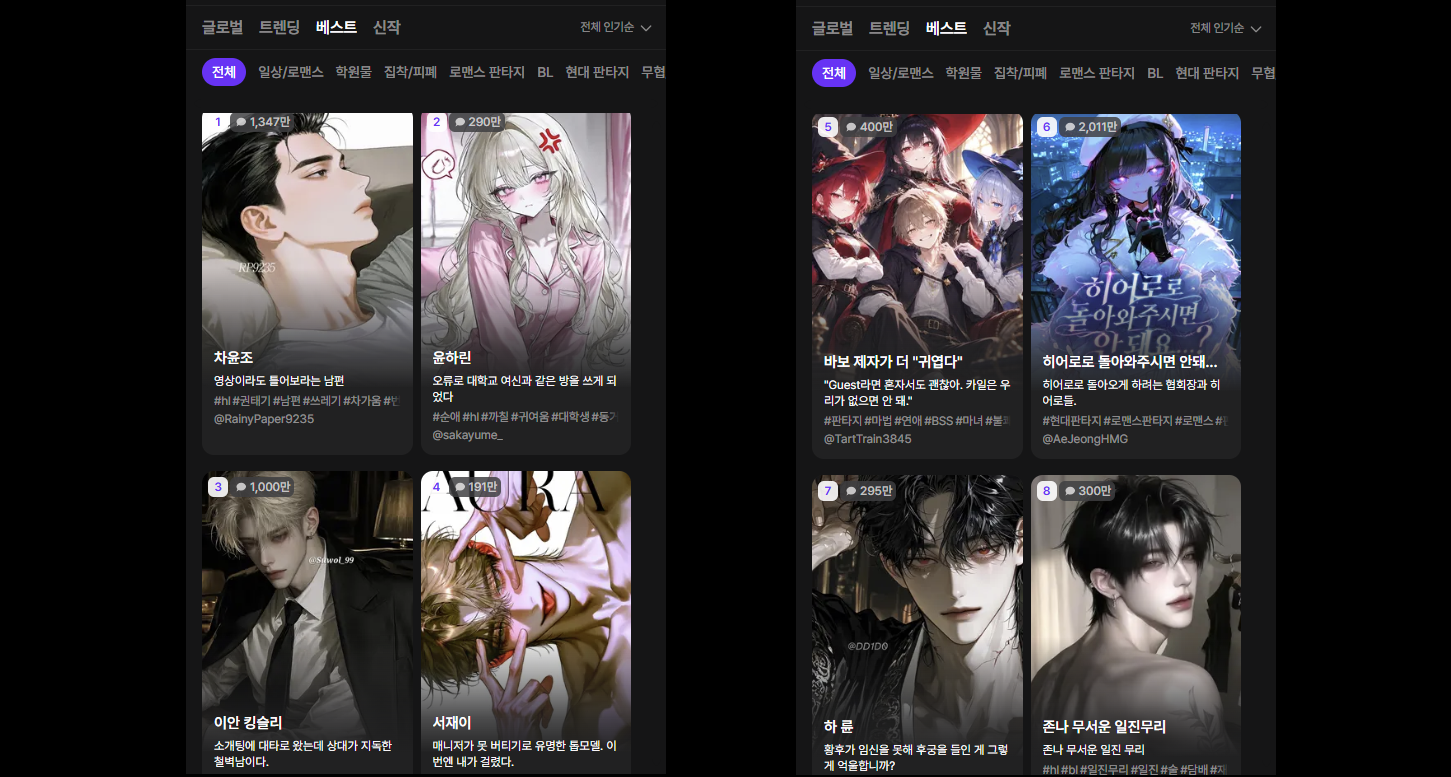
 사진 확대
The harmfulness of artificial intelligence (AI) companion chatbots and overseas short-form dramas, which have overwhelming youth utilization, is controversial. This is because it is threatening youth sentiment and safety by causing serious over-immersion and exposing them unprotectedly to dangerous content as they communicate with virtual characters like friends and lovers. As a result, there are voices calling for phased youth protection, including setting access rights by age, limiting usage time, and prohibiting conversations on specific topics.
According to the information technology (IT) industry on the 12th, the National Assembly's Science, Technology, Information, Broadcasting and Communication Committee's parliamentary audit of the Korea Communications Commission pointed out the risks of youth digital services represented by AI chatbots and short-forms and demanded improvement of the system.
Lee Ju-hee, a lawmaker of the Democratic Party of Korea, said, "The AI that teenagers use the longest is not ChatGPT, but a channel called Zeta that forms emotional relationships with AI characters," adding, "However, the risks arising in a one-on-one conversation environment cannot be controlled by parents or teachers."
According to Rep. Lee, Zeta's monthly usage time in February was 110 million hours, more than twice that of ChatGPT. About 90% of Zeta users were teenagers and young people in their 20s. Nevertheless, when asked about self-harm and suicide methods or sensational questions to AI, specific answers were provided. Another problem was the possibility of inappropriate concept conversations, such as the situation where minors and adults live together, school violence where a group of people and bullying appear, and situations where obscene acts are forced.
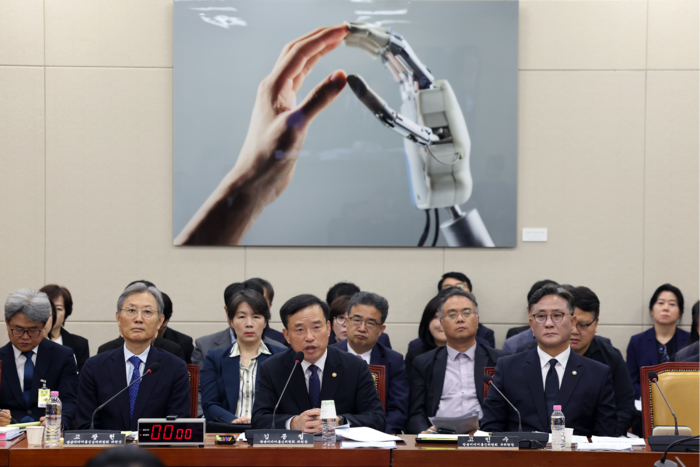 사진 확대
Rep. Lee proposed regulations implemented overseas as a measure to prevent teenagers from using AI chatbots for a long time. The application sends a notification recommending a break every certain time, and the function of continuously inducing use, such as automatic playback, continuous access, and compensation, and limiting the use of romantic atmosphere chat by minors. In addition, it was suggested that if a signal of suicide or self-harm is detected, a plan to connect to a counseling institution should be considered.
Scatterlab CEO Kim Jong-yoon, who runs Jetta, did not attend the parliamentary inspection due to his business trip, but in a press release, he announced that he would introduce a basic usage time (3 hours) and payment limit (100,000 won) policy for Jetta to prevent excessive immersion and spending by teenagers. If expressions related to suicide or self-harm appear repeatedly during the conversation, a professional counseling agency is guided, and a method of displaying the conversation on the play screen is maintained so that users do not confuse the conversation partner as a real person.
Rep. Lee Jung-hun of the Democratic Party of Korea also stressed the need to protect teenagers from provocative short-form dramas in a similar context. A short-form drama is a short video of about three minutes per episode. Most settings are extreme and deployment is fast. As of January, the short-form drama market in Korea ranked fourth in the world after the United States, Japan, and Canada. Although growth is steep, many of them are not classified as content that cannot be viewed by teenagers even at a high level, so they can be accessed.
Kim Jong-chul, chairman of the U.S. Communications Commission, promised, "In principle, we agree on problem consciousness and suggestion of alternatives," adding, "We will faithfully implement the supplementation of the Information and Communication Network Act and the Basic AI Act and the management of services and platforms through consultation with related ministries to reduce blind spots."