
AI fears: Sam Altman calls some concerns ‘bad sci-fi’, Gates differs
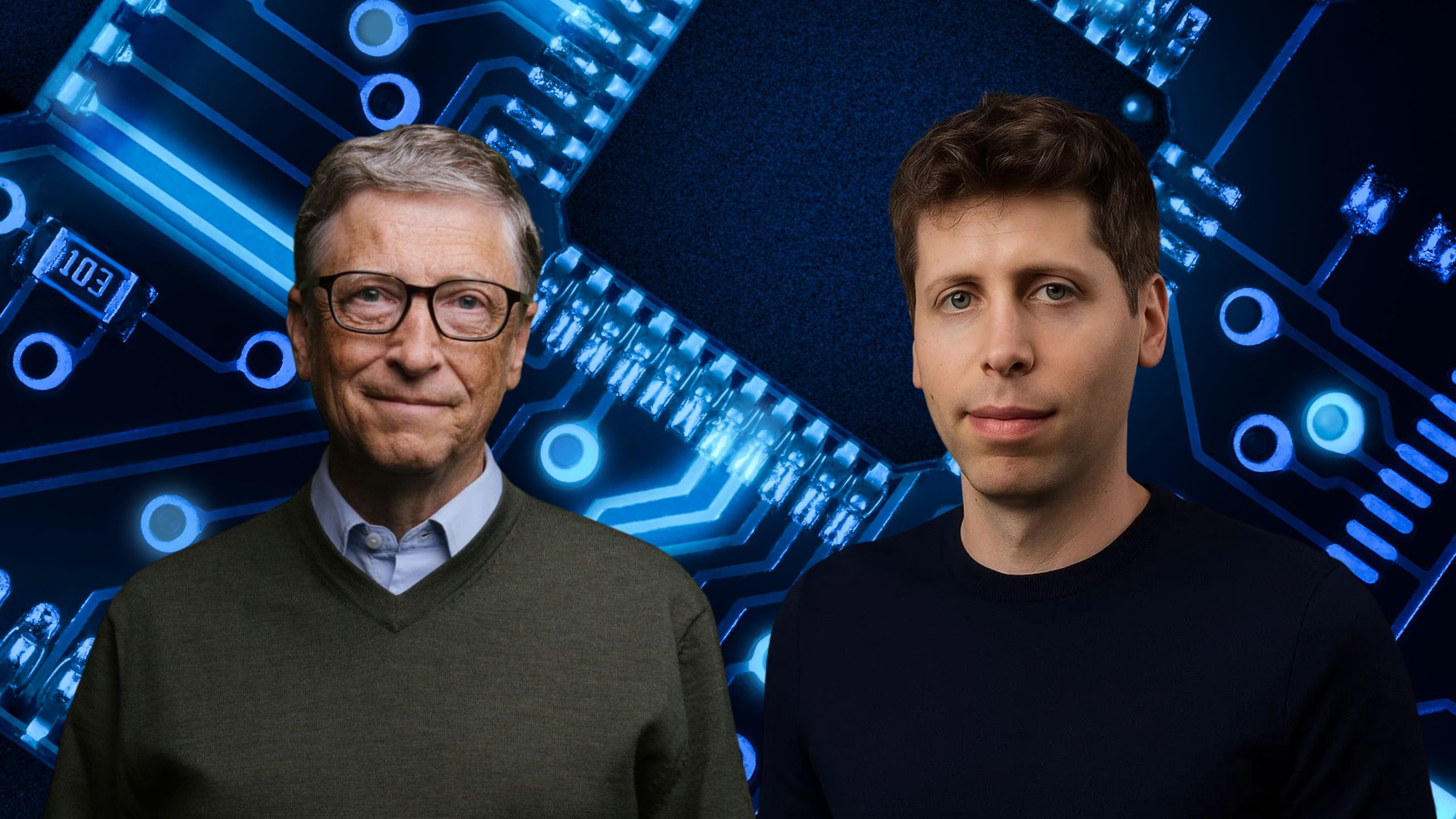
AI fears are again at the centre of the Big Tech debate as Sam Altman warns against doomerism, while Bill Gates says the risks are real enough to need stronger safeguards.

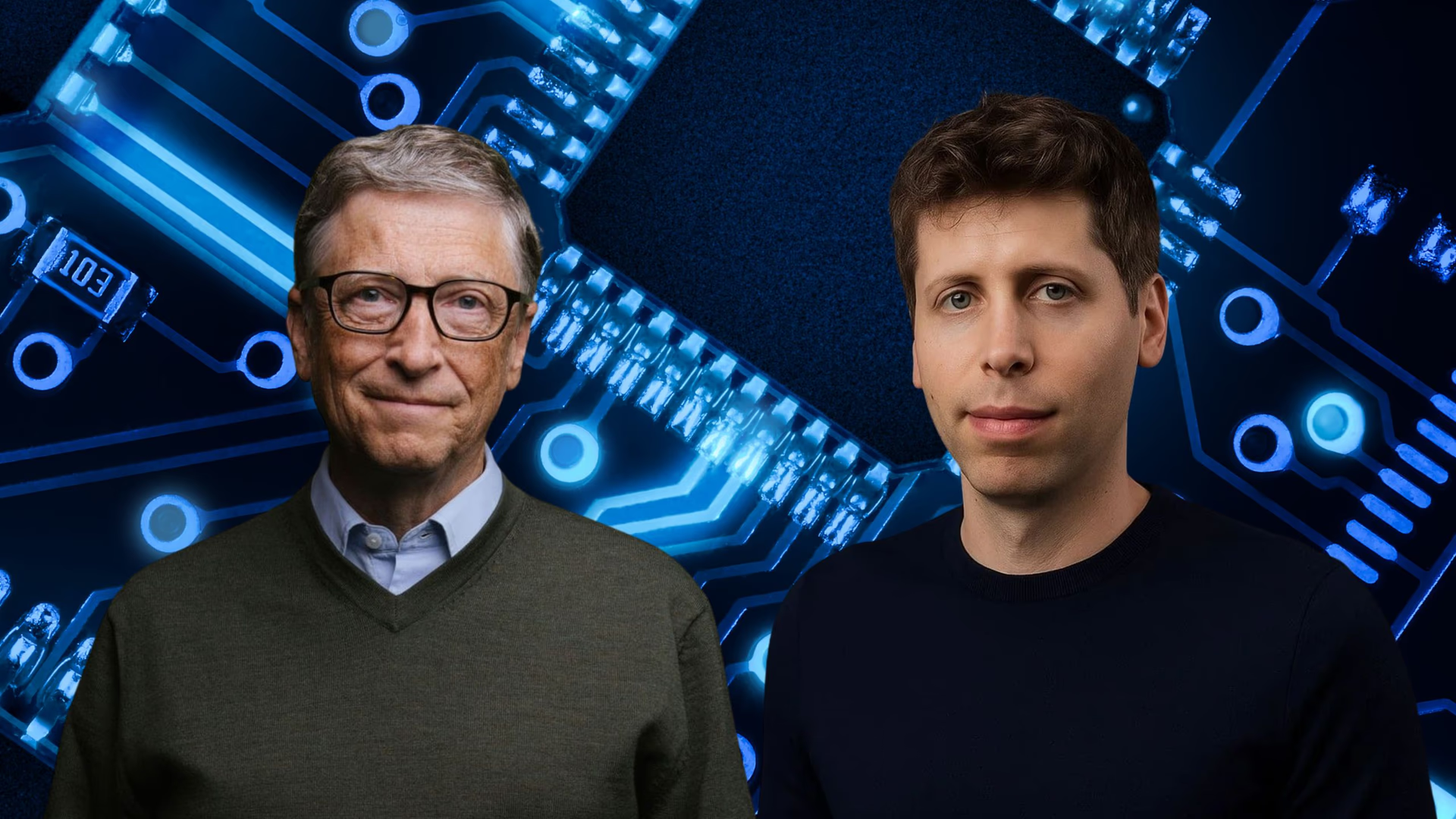
How dangerous is AI, really? OpenAI CEO Sam Altman warns against worst-case thinking, while Bill Gates argues that the technology demands tougher safeguards before its risks get harder to manage.
Artificial intelligence has a problem: even the people building it cannot agree on how loudly the world should sound the alarm.
OpenAI CEO Sam Altman has cautioned against treating the worst-case scenarios around AI as inevitable, describing some predictions as something out of bad science fiction. Microsoft co-founder Bill Gates takes a different emphasis. He agrees that some warnings can be exaggerated, but argues that AI's risks are too serious to soften.
Their latest remarks reveal a debate that goes beyond whether AI is good or bad. It is about how much caution is enough, and whether governments can put safeguards in place before the technology advances further.
Why Sam Altman is pushing back on AI fears
Speaking to the UN Security Council on September 23, 2026, OpenAI's CEO warned against two extremes: assuming AI will solve everything or treating every worst-case scenario as inevitable.
But his criticism of doomerism did not mean dismissing the risks. Altman pointed to the possibility of humans losing control of advanced AI systems and power becoming concentrated among a small number of organisations.
He also stressed that even a small chance of catastrophe would be unacceptable, whether the risk was 10% or 0.1%.
Gates wants safeguards before the risks grow
In a Sunday interview with Jake Tapper, Gates agreed that claims about AI threatening all of humanity can sometimes go too far. Yet he argued that AI poses dangers that deserve serious regulation, comparing the need for oversight with that of cars, planes and medicines.
Bill Gates warned against two unhelpful responses: allowing the technology to develop without safeguards or trying to stop it altogether. He believes governments need a practical middle ground that lets AI deliver benefits while limiting the harm it could cause.
His recent essay outlines three concerns: lasting job losses, malicious uses such as cyberattacks and bioterrorism, and the effects of AI companions on children's development.
His proposals include stronger national and international frameworks, designating some jobs as “Human Reserved”, and taxing AI tokens and robots to fund retraining and wider social support.
The aim is not to block AI, but to help people cope if automation advances faster than workers and institutions can adapt.

The real disagreement is about how to act
Sam Altman and Bill Gates both recognise AI's potential in healthcare, education and productivity. Both also acknowledge serious risks.
Their difference lies in emphasis. Sam Altman wants safeguards without allowing worst-case fears to dominate the debate. Gates is pressing for governments to act before commercial incentives drive unchecked automation and concentrate power.
The question is not simply whether AI deserves concern. It is whether the world can agree on meaningful safeguards while the technology is still developing.