
Russia is standardizing its combat data repository to train artificial intelligence on military UAVs.
The Russian Ministry of Defense has connected more than 40 technology organizations to a database of combat video, standardizing neural network training procedures to optimize the self-guidance capabilities of UAVs.
The Russian Ministry of Defense has officially launched a specialized service providing a database of real-world combat video data for training neural networks in unmanned aerial vehicles (UAVs). This initiative has attracted more than 40 research and development organizations, aiming to integrate artificial intelligence (AI) models directly into military aircraft in the future.
Normalizing real-world data to develop algorithms.
The centerpiece of the project is a comprehensive archive of video footage documenting the combat operations of first-person view (FPV) drones, fixed-wing drones, and multirotor drones. Russian Deputy Defense Minister Dmitry Shcherbinin, who is in charge of the project, said the platform helps solve the problem of training models for identifying military targets.
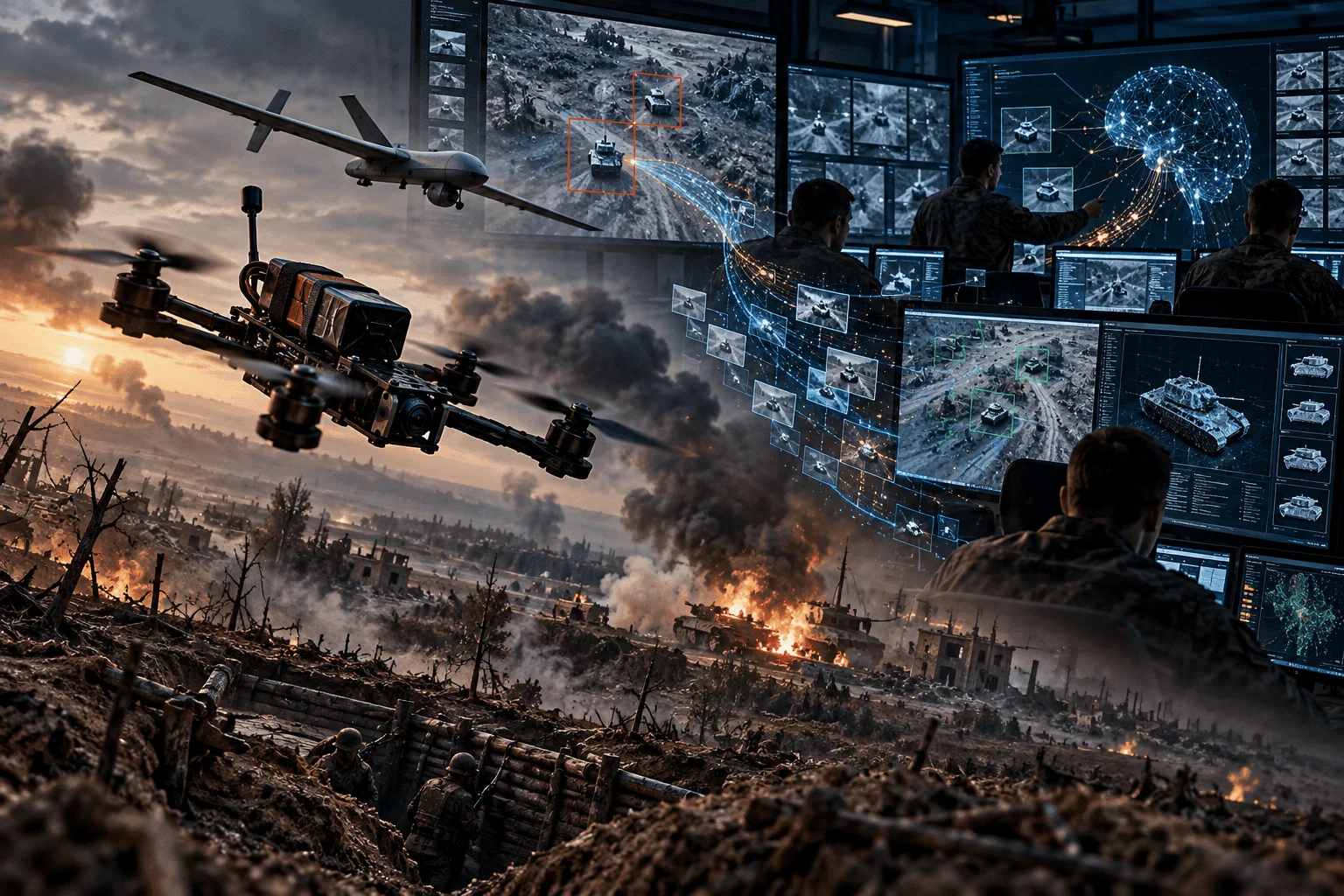
To overcome the fragmentation that arises when working with multiple external units, the Russian military has established a unified machine learning data classifier. All development teams access the resource repository using the same format standard. After training is complete, the algorithmic models are sent back to the system for integrity and technical compatibility testing.
This move comes after Russia launched the "Vitrina dannykh" data platform and established the Unmanned Systems Force by the end of 2025. Russian Defense Minister Andrei Belousov previously confirmed that data collection complexes have been deployed in all military units, while emphasizing the need for AI processing directly on the equipment's circuit boards.
The role of edge AI in the face of electronic warfare pressure.
Frontline imagery plays a crucial role in perfecting computer vision. Real-world equipment is often camouflaged with netting, foliage, or hidden within complex terrain, resulting in significant discrepancies compared to laboratory simulations. Access to a wealth of real-world video data allows algorithms to improve accuracy in target classification.
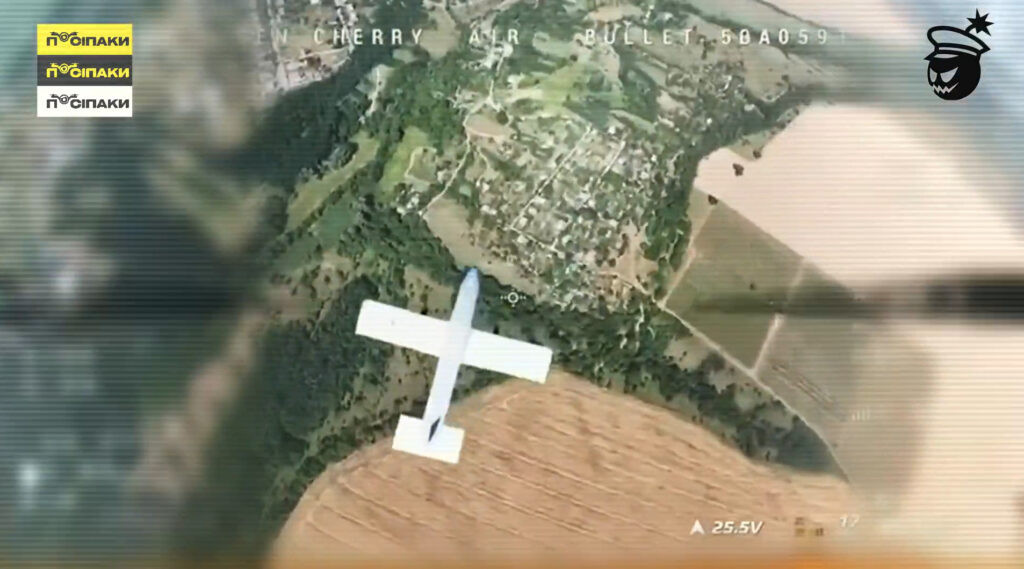
Besides identification capabilities, automation is a key solution for countering electronic warfare systems. When the signal channel between the operator and the aircraft is jammed, edge AI algorithms allow the UAV to automatically lock onto and track its target in the final stages of its flight. A report from the Center for Strategic and International Studies (CSIS) notes that some variants of V2U UAVs captured on the battlefield carry embedded computers for independent image processing, while the low-cost Molniya series uses motion and contrast tracking algorithms.
Ukraine has also built similar data repositories to support its drone technology. Ukraine's OCHI platform has stored approximately 2 million hours of combat video from over 15,000 UAV crews, while the Avengers Labs project provides millions of standardized frames to domestic defense manufacturers. In the US, the private company Enabled Intelligence also processes hundreds of thousands of hours of combat video for military research purposes for NATO partners.
International debate on the autonomy of military equipment
The rapid development of autonomous UAV technology is raising numerous international legal issues. At discussions of the Government Expert Group on lethal autonomous weapons under the CCW Convention in Geneva, military powers including Russia and the United States both expressed a preference for applying existing international humanitarian law rather than proposing new binding treaties.
Many provisions related to the mandatory requirement for human intervention to verify AI-selected targets before firing have not received unanimous consensus in the draft document. Nevertheless, international consultations are expected to continue to assess the limits of human control over AI-powered weapon systems.