
How Generative AI Video Will Impact Media and Entertainment


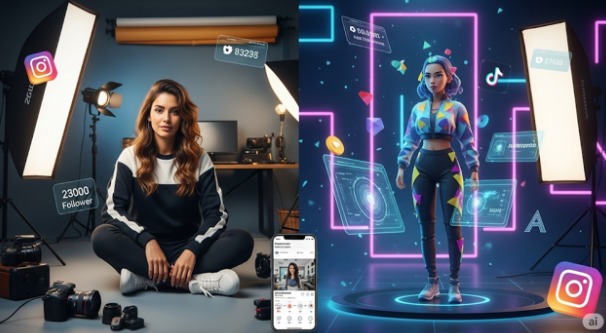
Generative AI video is changing how media and entertainment companies produce, edit, and distribute visual content. Filmmakers, advertisers, game developers, and digital creators can now turn written prompts into video scenes, create virtual characters, and experiment with visual effects in less time. These tools are changing production workflows while opening new creative opportunities for independent artists and established studios. However, questions about copyright, authenticity, privacy, and employment remain important. As adoption grows, generative AI video will impact media by reshaping creative decisions, production budgets, audience experiences, and the future of digital storytelling.
This article examines how AI video technology is changing filmmaking, advertising, gaming, online entertainment, and content creation while addressing its benefits and challenges.
Faster Video Production and Creative Workflows
Traditional video production often requires cameras, lighting equipment, actors, locations, editing software, and considerable planning. Generative AI can reduce some of these requirements by creating footage from text prompts, reference images, or existing visual assets.
Consequently, production teams can test creative ideas before committing substantial resources. A director might generate several versions of a scene to compare lighting, camera angles, and visual styles. Similarly, marketing teams can prepare alternative advertisements for different audiences without filming every version separately.
When generative AI video will impact media production, its greatest immediate benefit may be the ability to shorten early creative processes.
Important applications include:
- Previsualization: Directors can create rough scene previews before filming begins.
- Visual effects: AI tools can assist with backgrounds, environmental details, and selected editing tasks.
- Promotional videos: Brands can prepare product advertisements and social media clips more efficiently.
- Localization: Studios can adapt selected visual and audio elements for international audiences.
- Independent filmmaking: Small teams can experiment with production ideas that previously required larger budgets.
However, human review remains essential. AI-generated footage may contain inconsistent movements, distorted objects, or visual details that change between frames. Professional editors must evaluate these outputs before publication.
New Opportunities for Independent Creators
AI video tools are making certain production techniques accessible to people who lack expensive equipment or specialist training. Independent filmmakers, educators, social media creators, and small businesses can develop visual concepts with fewer initial resources.
For instance, a creator can prepare a short animated story using generated backgrounds and character references. Another creator might produce a product demonstration without arranging a physical location for every shot.
This shift also supports personalized storytelling. Creators can develop fictional characters with distinct appearances, voices, and personalities for recurring video series. Tools that help users create AI character concepts can support early design work, although consistent animation and believable expressions may still require additional editing.
The growing availability of these tools also creates opportunities for AI-focused entertainment services. Secrets AI, for example, operates within the AI companion space, where artificial intelligence supports personalized digital interactions. This wider category of AI entertainment illustrates how audiences are becoming familiar with computer-generated personalities alongside traditional media experiences.
Nevertheless, easier production does not automatically guarantee audience attention. Strong storytelling, original ideas, sound design, and thoughtful editing remain essential for producing memorable content.
Changes in Film, Television, and Streaming
Film studios and television producers are beginning to consider generative AI for tasks that require repeated visual experimentation. The technology can support storyboarding, concept development, background generation, and selected post-production processes.
In comparison to traditional workflows, AI-assisted production may allow creative teams to evaluate more possibilities during development. A science-fiction production, for example, could test different futuristic environments before selecting a final visual direction.
Generative AI video will impact media distribution, too, as streaming platforms compete for attention across increasingly diverse audiences. AI-assisted localization may help studios prepare translated dialogue, adapted subtitles, and selected versions of promotional material for different regions.
However, these developments also raise concerns about actors’ likenesses, voice replication, and ownership of generated footage. Production companies need clear agreements covering consent, compensation, and permitted uses of digital replicas.
Human performers and creative professionals continue to contribute qualities that automated systems cannot reliably reproduce in every situation, including emotional interpretation, improvisation, and nuanced artistic judgment.
Advertising, Gaming, and Interactive Entertainment
Advertising agencies can use generative AI to produce multiple creative variations for campaigns. A company might prepare different backgrounds, product settings, or video formats for audiences across social platforms. These variations can support faster testing, although claims and visual representations still require verification.
Gaming companies can also apply AI video technology to cinematic sequences, promotional trailers, and experimental interactive narratives. In the future, some entertainment experiences may respond dynamically to audience choices, creating personalized scenes instead of presenting exactly the same sequence to everyone.
Similarly, adult-oriented digital entertainment is another area where synthetic media tools are attracting attention. An AI NSFW video generator may be used to create fictional adult-themed visuals, making consent safeguards, age restrictions, and protection against non-consensual depictions especially important.
Across these industries, responsible production practices should prioritize:
- Consent for the use of real people’s faces and voices.
- Clear labeling when synthetic footage could mislead viewers.
- Secure handling of uploaded photographs and personal information.
- Human checks for factual accuracy and visual consistency.
- Compliance with copyright rules and applicable regulations.
These safeguards help companies protect audiences while developing new entertainment formats.
Market Research Shows Growing AI Adoption
Industry research indicates that artificial intelligence is becoming a significant part of the wider media and technology economy.
According to Grand View Research, the global generative AI market was valued at approximately $16.87 billion in 2024 and is projected to reach around $109.37 billion by 2030, representing a compound annual growth rate of approximately 37.6% from 2025 to 2030.
Source: Grand View Research, Generative AI Market Size, Share & Trends Analysis.
Although these figures cover generative AI broadly rather than video alone, they indicate the scale of investment and commercial interest surrounding the technology.
The broader growth has several implications for entertainment businesses:
- Production investment: Studios may allocate more resources to AI-assisted creative software.
- New career paths: Demand may grow for AI video editors, prompt specialists, synthetic-media reviewers, and digital production supervisors.
- Lower entry barriers: Smaller businesses may gain access to production capabilities previously associated with larger budgets.
- Greater competition: Faster content production may increase the volume of videos competing for audience attention.
Still, forecasts are not guaranteed. Actual adoption will depend on production quality, licensing costs, audience acceptance, computing requirements, and legal developments.
How Media Companies Can Prepare for AI Video
Businesses do not need to automate every creative process to benefit from generative AI. A practical approach begins with limited experiments that address a specific production challenge.
Media teams can start with these steps:
- Identify suitable tasks. Begin with storyboards, internal concept videos, or social media variations.
- Compare available tools. Evaluate output quality, licensing terms, privacy protections, and production costs.
- Keep human oversight. Assign experienced professionals to review scripts, visuals, sound, and final edits.
- Establish usage policies. Set rules for consent, copyright, disclosure, and handling personal data.
- Measure results. Compare production time, editing effort, audience engagement, and total costs against existing workflows.
Secrets AI and other AI entertainment services also reflect the broader movement toward personalized digital experiences. However, businesses should assess each application’s capabilities independently rather than assuming that every AI service offers video generation.
In the long term, successful companies will likely combine automation with human creativity instead of treating technology as a replacement for every production role.
Copyright, Authenticity, and Audience Trust
The ability to generate realistic footage introduces serious questions about ownership and authenticity. A synthetic video might portray a public figure saying something they never said, or reproduce elements associated with an existing film without appropriate authorization.
Consequently, entertainment companies need policies covering training data, commercial licenses, attribution, and the use of recognizable individuals. Creators should also check whether their chosen tools permit commercial distribution of generated material.
Search behavior may change as audiences look for AI-generated entertainment, fictional characters, and specialized digital experiences. Someone using an onlyfans finder, for example, may be seeking creator-specific content, but synthetic media introduces an additional need to distinguish authentic creator material from AI-generated imitations.
Likewise, platforms and publishers should make their content policies easy to understand. Clear synthetic-media labels, reporting procedures, and consent requirements can reduce confusion and help protect legitimate creators.
Privacy also deserves careful attention. Uploaded photographs, voice recordings, and personal prompts may contain sensitive information. Before using an AI service, creators should review its data-retention policies and understand how submitted material may be stored or reused.
Conclusion
Generative AI video will impact media by changing production workflows, lowering selected creative costs, and opening new opportunities across filmmaking, advertising, gaming, and digital entertainment. These benefits come with important responsibilities involving copyright, consent, privacy, and audience trust. As a result, companies should adopt AI carefully, retain human oversight, and establish clear content policies.
We can expect further experimentation as tools improve, but compelling stories and meaningful creative decisions will remain central to successful entertainment. The strongest results will come from combining technological capabilities with human judgment, originality, and responsible production practices.