Saudi Engineer Arrested for Installing Hidden Recorder at OpenAI
A Saudi national engineer who attempted to install a hidden recorder in the executive meeting room of the AI company OpenAI to leak information was apprehended by the U.S. Federal Bureau of Investigation (FBI). This incident follows repeated attempts to steal technology amid fierce global competition for AI dominance.
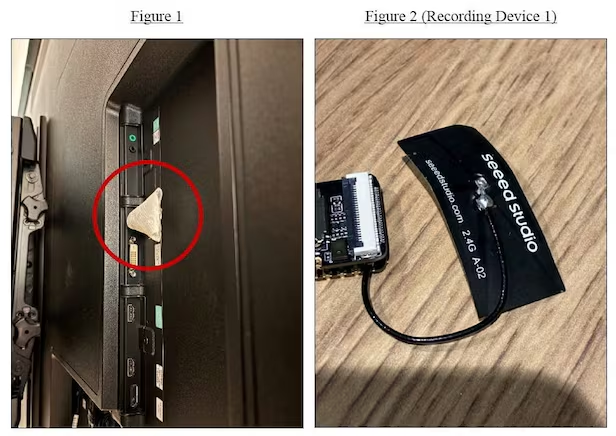
The U.S. Department of Justice announced on the 13th (local time) that Abdullah Al-Fozan, 35, who had worked as an OpenAI engineer since July of last year, was arrested and charged. According to the U.S. Department of Justice and FBI, OpenAI discovered a thumb-sized recording device connected to a USB port behind a TV in its San Francisco executive meeting room on the 30th of last month. The device had a microphone, could connect to a camera, and was wrapped in toilet paper. OpenAI found it during a routine security check by its anti-eavesdropping team.
The meeting room where the device was installed was where OpenAI’s core decisions were made. Confidential discussions about exclusive research, product plans, government relations, business strategies, and the company’s capabilities and priorities occurred there regularly. Al-Fozan had no authorization to access the room.
After discovering the recorder, OpenAI installed a hidden camera to catch the culprit and captured Al-Fozan inspecting behind the TV on October 5. The same day, OpenAI’s security team found another similar recording device in his bag. OpenAI stated, “We secured evidence that Al-Fozan attempted to install additional recording devices in other sensitive locations within the office.”
The content stored on the recording device was encrypted, and no signs of external leakage were found. OpenAI reported the case to the FBI and fired Al-Fozan. FBI Director Kash Patel said in a statement, “Al-Fozan was found to have installed the recording device to eavesdrop on discussions regarding OpenAI’s superintelligent technology.”
The FBI investigation revealed that Al-Fozan repeatedly queried the company’s AI productivity tools for information on the meeting room’s capacity and schedule, the location of executives, and the venues of external partner meetings while preparing for the crime. He also used an AI chatbot account under his spouse’s name to research methods for continuously producing recorders, connecting to Wi-Fi, and improving real-time listening performance.
The U.S. government classified the case as a national security matter targeting superintelligent AI technology surpassing human capabilities. If convicted, Al-Fozan could face a maximum prison sentence of five years. Reuters noted, “This case highlights growing security concerns surrounding sensitive AI research amid fierce global competition between big tech companies and governments over AI technology.”