
The FBI has arrested an OpenAI employee on suspicion of planting a listening device in the boardroom.
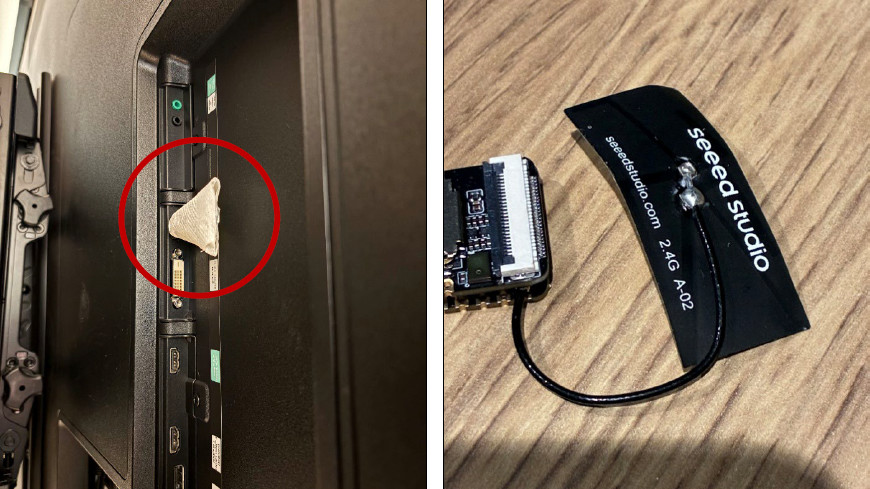
An OpenAI employee has been arrested by the FBI for secretly planting listening devices in the company's office. The executive boardroom where the devices were planted is where confidential and non-public company information is exchanged, but OpenAI says that no theft or removal of information has been confirmed.
Office of Public Affairs | Saudi National Arrested for Installing Surreptitious Audio Recording Device at OpenAI | United States Department of Justice
Northern District of California | Saudi National Arrested For Installing Surreptitious Audio Recording Device At OpenAI In San Francisco | United States Department of Justice
We discovered a sophisticated recording device that was hidden inside one of our offices. We used our models to understand the device and where it had come from, identifying that a specific employee had planted it a few days earlier. We referred the matter to the FBI, and we're…
— OpenAI Newsroom (@OpenAINewsroom) October 13, 2026
The Department of Justice has announced the arrest and indictment of Abdulrahman Al-Fozan, a Saudi Arabian national and employee of OpenAI, for allegedly 'eavesdropping or attempting to eavesdrop on conversations using electronic, mechanical, or other devices.' According to the indictment, Al-Fozan was hired as an engineer in July 2025.
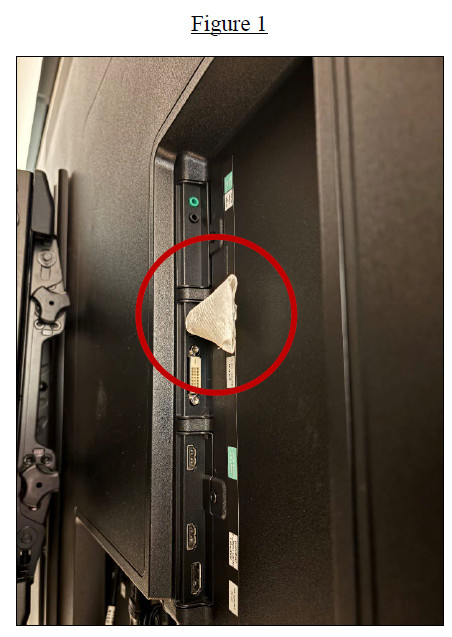
The incident came to light around September 30, 2026, when an OpenAI employee discovered a recording device hidden in a USB port on the back of a television in the executive boardroom of their San Francisco office. The contents of the recording device were encrypted.
The location in question. The recording device was hidden by being wrapped in toilet paper so that it wouldn't be immediately noticeable.
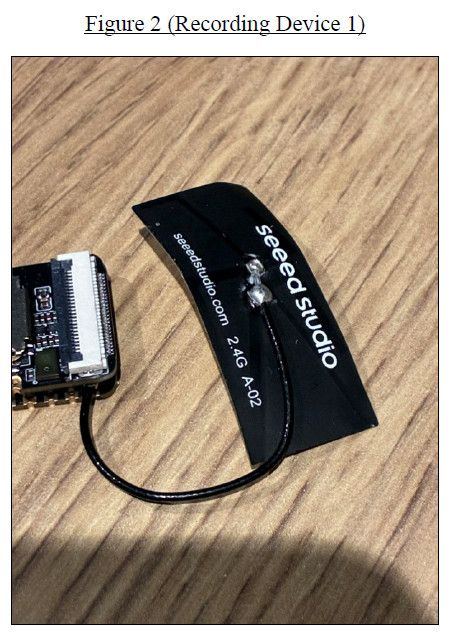
This is the hidden recording device.
An internal investigation by OpenAI revealed that the suspect had approached the boardroom at multiple times prior to the discovery of the device. The boardroom is a place where confidential and non-public company technical, commercial, and strategic information is frequently discussed, and the suspect had neither the authority to enter the boardroom nor to participate in meetings held there.
According to the complaint, prior to September 28, when the recording device is believed to have been planted, the suspect used productivity tools to make multiple inquiries about OpenAI's office address, meeting room capacity and reservation status, addresses of management and executives, and scheduled meetings with external partners.
Furthermore, it has been confirmed that a chatbot account linked to the suspect's spouse, which shared multiple pieces of identification information and attributes with the suspect's chatbot account, sent prompts including 'build a persistent recording device,' 'customize Wi-Fi connection,' 'optimize voice and real-time interception,' and 'encrypt SD card' between September 24th and 30th. In addition, between September 27th and 28th, prompts containing the unique header and MAC address of the discovered recording device were sent.
The complaint alleges that surveillance camera footage recorded on October 5 shows the suspect entering the executive boardroom and glancing behind a television on which a recording device was installed.
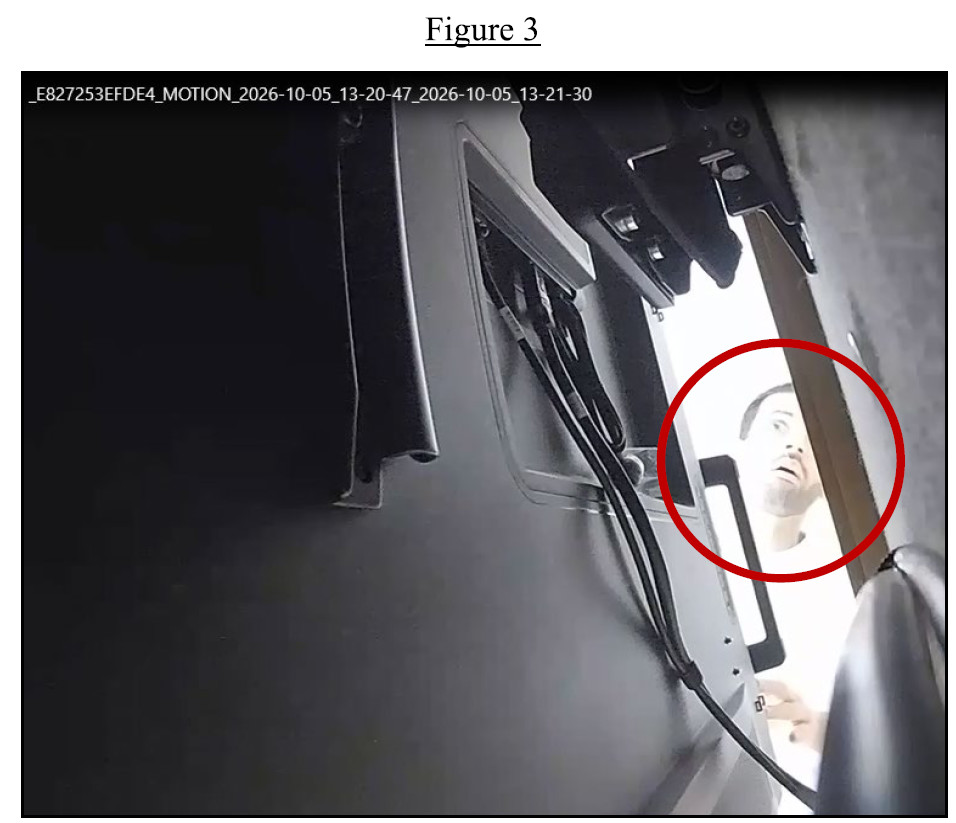
Furthermore, on the same day, the suspect left a bag in a room other than the executive meeting room. A security guard who found the bag checked its contents and discovered the suspect's identification card and wallet, along with another recording device.
If found guilty, the suspect could face up to five years in prison, a $250,000 fine, and three years of probation.
According to OpenAI, there is no evidence that the suspect illegally accessed or took outside the AI, related source code, or customer data. They stated, 'Our security programs are designed to protect against a wide range of threat actors, from insider risks to cybercriminals and state-sponsored threats, and this case is an example of how AI can help address these sophisticated security threats.'