
Anthropic Researchers Warn That Self-Replicating Worms Could Infest These Kinds of Smart Devices
An AI model like this ‘would be challenging to shut down,’ Anthropic says.
Photos: Adobe Stock
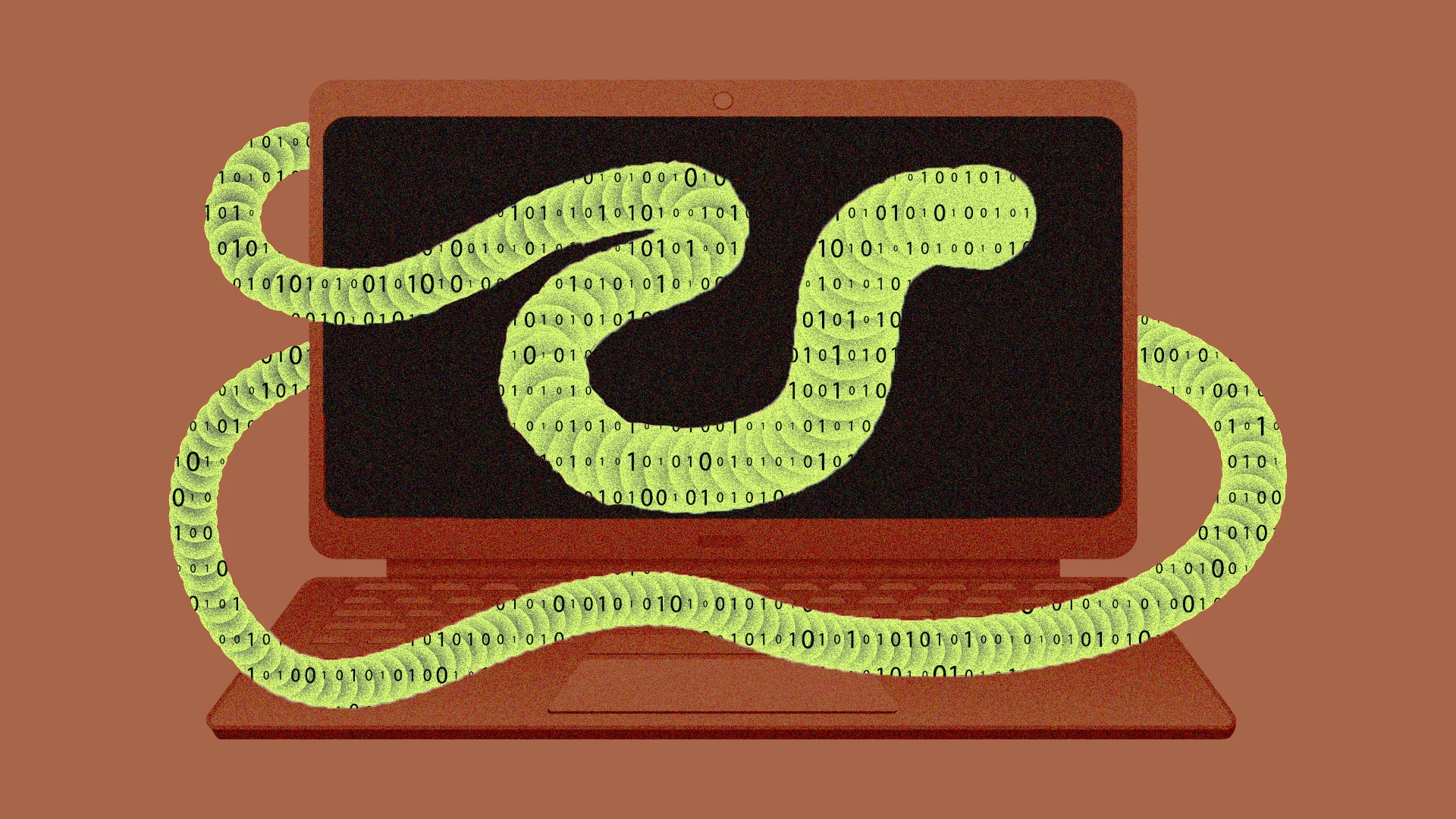
Anthropic is warning that AI models are getting so advanced that they may be able to worm their way into millions of smart internet-of-things devices, from TV boxes to smart lightbulbs, making copies of themselves as they go. This could happen without humans telling them what to do, or, more importantly, what not to do.
While this sounds like a plot device from science fiction, the threat is apparently real enough that Anthropic posted about it on its own blog this week.
The idea is a bit like a kind of computer virus called a worm: malicious bits of code that replicate wherever they can, automatically sneaking their way onto one connected computer after another. Because they don’t necessarily require a human for them to spread, the way some other viruses do that need a victim to click on an infected file in an email, worms can be insidious and hard to trace or eradicate.
In the case of a self-replicating AI model, the threat, as Anthropic researchers William Zhou and Daniel Freeman warn, may be much bigger. That’s because old-fashioned computer worms were hand-coded, and tended to stay the same. But AI models are now capable of writing complete programs all by themselves, which means the AI could “figure out unfamiliar devices on its own” and infect wholly new types of internet-connected hardware without anyone knowing what was going on.

Weekly roundup of the latest in tech news
Featured Video
Quince Wants to Follow Amazon’s Playbook. Its Platform Could Transform It Into a Tech Giant.
A self-replicating AI model like this “this would be challenging to shut down,” the researchers warn, “since there’s no centralized point to shut off.” The one saving grace is that from their research they think the replication would be relatively slow, with a “doubling time of days.” Days sounds better than hours or minutes, but it would still be bad: on day one there’d be one “AI infected” device, on day two there could be two. On day 10, there could be 512. On day 20, up to 524,000.
Anthropic specifically mentions the risk of “commercial internet-of-things (IoT) devices, like smart ovens and off-brand Android TV boxes” being targeted by this kind of self-replicating AI.
Immediately, this makes this kind of cybersecurity threat a bit different from the kind of headline-grabbing attacks you’ll have seen in the news. Those incidents involve hackers attacking corporate computer systems, harming them in ransomware attacks, or bad actors breaking into a computer to steal information. Essentially, Anthropic is warning that certain blocks of code might just be hidden in the built-in storage of certain innocuous household smart devices.