OpenAI employee arrested for espionage after illegally recording internal conversations
Abdulrahman Alfozan allegedly bugged a conference room to intercept confidential discussions on the company's superintelligence tech.
- A former OpenAI engineer was arrested for spying about superintelligence tech using hidden listening devices. -
- Gemini.
Most read
-
1US bars Microsoft and Adobe from permanent visa program over system abuse
-
2Cybercriminals use 'The Odyssey' as bait to spread malware
-
3Hospital cybersecurity: When securing systems means saving lives
-
4Poland strengthens its military role in NATO as the Alliance outlines plans to counter a Russian attack
-
5Europe clamps down on organized crime money and crypto assets

An employee of the artificial intelligence company OpenAI has been detained and charged with using an electronic, mechanical, or other device to intercept oral communications within the company.
Abdulrahman Alfozan, 35 years old and of Saudi nationality, was arrested on October 9 and appeared before a U.S. federal court a few hours ago.
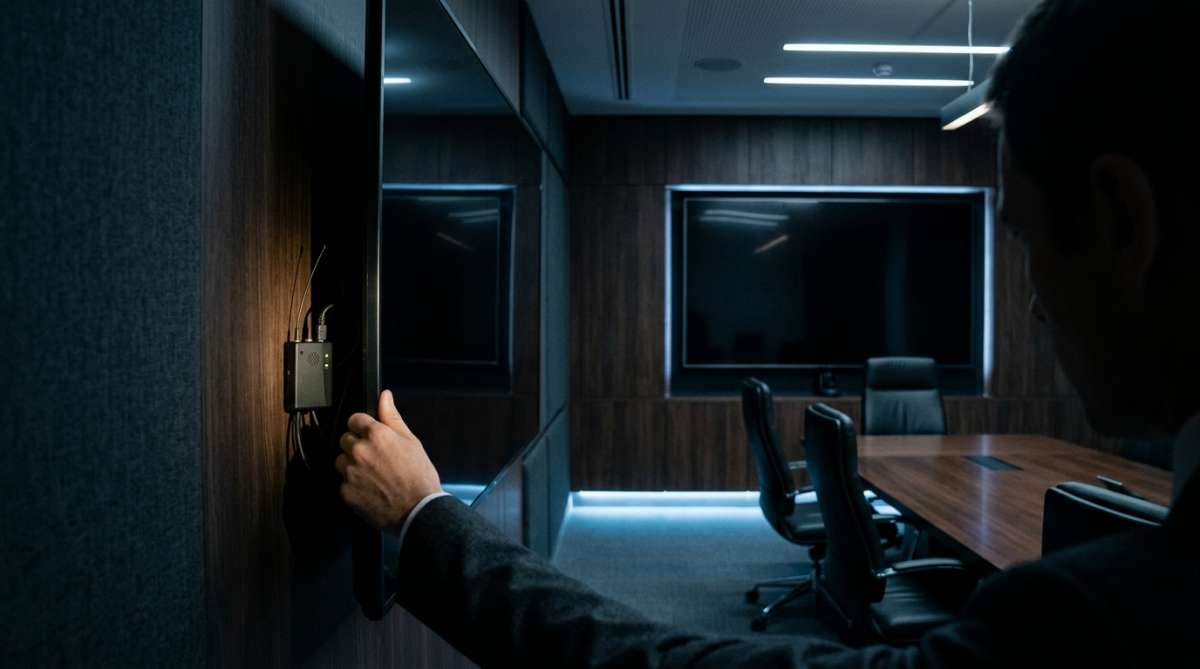
Alfozan allegedly concealed a covert recording device in the executive conference room to intercept confidential communications about OpenAI's superintelligence technology.
The detainee had been working as an engineer for the tech giant since July of last year. On September 30, staff at the firm discovered a clandestine audio recording gadget inserted into a USB port at the back of a TV in a meeting room inside one of its buildings in San Francisco.
OpenAI determined that the device, which was hidden in toilet paper, had been installed on September 28. Additionally, they discovered that the content was encrypted.
It was the company's security cameras that captured Alfozan visiting the room on several occasions before this discovery. The employee had entered the room despite not having authorization to access it or participate in the meetings held there.
According to the complaint, highly confidential technical, commercial, and strategic information was frequently discussed in that space, including proprietary research, product plans, and business development opportunities, as well as non-public information about technical progress and strategic decisions, capabilities, priorities, government and commercial relationships of OpenAI.
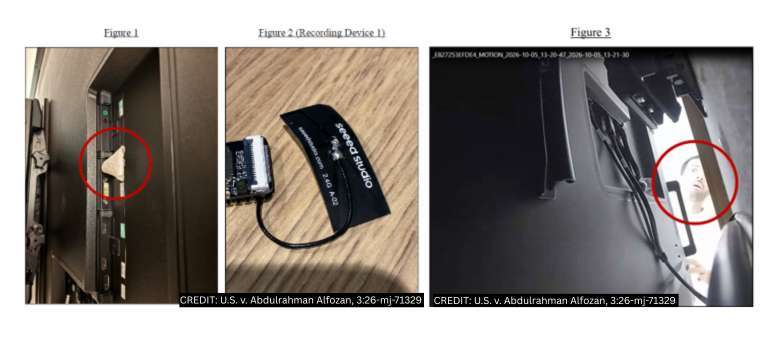
- Evidence gathered demonstrating Abdulrahman Alfozan's espionage intention
- U.S. Department of Justice
The searches also betrayed him
To make matters worse, before September 28, the worker had used a productivity tool to conduct multiple queries about OpenAI's building addresses, meeting rooms, meeting room capacities and calendars, "leadership and executive" locations, and meetings with external partners.
Additionally, a chatbot account associated with Alfozan's partner sent requests between September 24 and 30 related to the creation, customization, installation, audio recording, testing, obfuscation, and remote access to a device, including queries about "creating a continuous audio recorder," "customizing Wi-Fi connectivity," "enhancing audio and live listening," and "encrypting the SD card," among other things.
The complaint also alleges that the detainee entered the executive conference room days later and looked behind the television where he had inserted the recording device, seeking to ensure it was still there and well connected.
Subsequently, on October 5, Alfozan was caught by OpenAI security personnel with a bag containing another recording gadget very similar to the first.
“This serious situation underscores why winning the global race for superintelligence is a national security priority, and why President Trump's leadership in creating the Superintelligence Force is so important,” stated Director of National Intelligence, Jay Clayton.
"Protecting American innovation in artificial intelligence is crucial to safeguarding our country's economic strength and national security, and the FBI considers this mission one of its top counterintelligence priorities," commented FBI Director, Kash Patel.
If found guilty, Alfozan faces a maximum sentence of 5 years in prison and a $250,000 fine, followed by 3 years of supervised release.
An employee of the artificial intelligence company OpenAI has been detained and charged with using an electronic, mechanical, or other device to intercept oral communications within the company.
Abdulrahman Alfozan, 35 years old and of Saudi nationality, was arrested on October 9 and appeared before a U.S. federal court a few hours ago.
Alfozan allegedly concealed a covert recording device in the executive conference room to intercept confidential communications about OpenAI's superintelligence technology.
The detainee had been working as an engineer for the tech giant since July of last year. On September 30, staff at the firm discovered a clandestine audio recording gadget inserted into a USB port at the back of a TV in a meeting room inside one of its buildings in San Francisco.
OpenAI determined that the device, which was hidden in toilet paper, had been installed on September 28. Additionally, they discovered that the content was encrypted.
It was the company's security cameras that captured Alfozan visiting the room on several occasions before this discovery. The employee had entered the room despite not having authorization to access it or participate in the meetings held there.
According to the complaint, highly confidential technical, commercial, and strategic information was frequently discussed in that space, including proprietary research, product plans, and business development opportunities, as well as non-public information about technical progress and strategic decisions, capabilities, priorities, government and commercial relationships of OpenAI.
The searches also betrayed him
To make matters worse, before September 28, the worker had used a productivity tool to conduct multiple queries about OpenAI's building addresses, meeting rooms, meeting room capacities and calendars, "leadership and executive" locations, and meetings with external partners.
Additionally, a chatbot account associated with Alfozan's partner sent requests between September 24 and 30 related to the creation, customization, installation, audio recording, testing, obfuscation, and remote access to a device, including queries about "creating a continuous audio recorder," "customizing Wi-Fi connectivity," "enhancing audio and live listening," and "encrypting the SD card," among other things.
The complaint also alleges that the detainee entered the executive conference room days later and looked behind the television where he had inserted the recording device, seeking to ensure it was still there and well connected.
Subsequently, on October 5, Alfozan was caught by OpenAI security personnel with a bag containing another recording gadget very similar to the first.
“This serious situation underscores why winning the global race for superintelligence is a national security priority, and why President Trump's leadership in creating the Superintelligence Force is so important,” stated Director of National Intelligence, Jay Clayton.
"Protecting American innovation in artificial intelligence is crucial to safeguarding our country's economic strength and national security, and the FBI considers this mission one of its top counterintelligence priorities," commented FBI Director, Kash Patel.
If found guilty, Alfozan faces a maximum sentence of 5 years in prison and a $250,000 fine, followed by 3 years of supervised release.
Become a premium member for free!
- Filed under