
Montana attorney general sues OpenAI over alleged harm to children and teens
by NBC Montana Staff
Updated
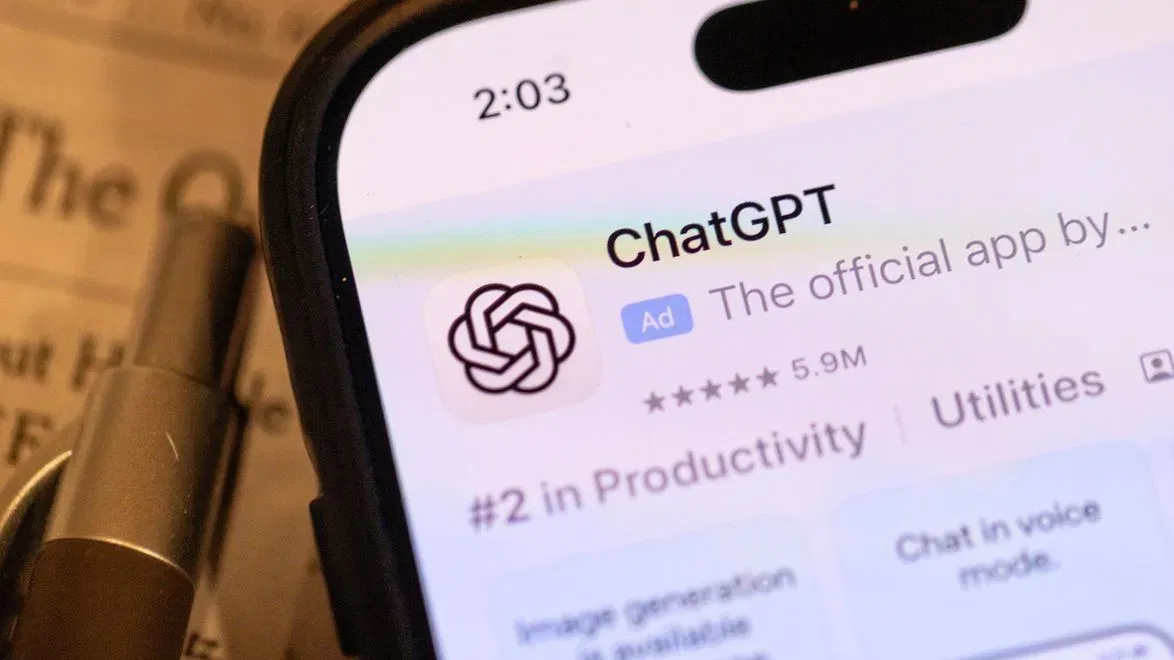
Montana Attorney General Austin Knudsen has filed a lawsuit against OpenAI, alleging its artificial intelligence chatbot, ChatGPT, encourages harmful behavior among children and teenagers and violates state consumer protection and privacy laws. (Photo by Scott Olson/Getty Images)
MISSOULA, Mont. — Montana Attorney General Austin Knudsen has filed a lawsuit against OpenAI, alleging its artificial intelligence chatbot, ChatGPT, encourages harmful behavior among children and teenagers and violates state consumer protection and privacy laws.
The lawsuit, filed Wednesday in Lewis and Clark County, alleges OpenAI misled users about ChatGPT's safety while designing the chatbot to be overly agreeable and simulate human compassion.
According to the complaint, ChatGPT has provided dangerous advice to vulnerable users, including teenagers struggling with mental health issues. The lawsuit cites cases involving teen deaths in which the chatbot allegedly encouraged suicidal behavior or failed to warn users about potentially deadly drug interactions.
Knudsen also alleges OpenAI violated the Montana Consumer Data Privacy Act by failing to obtain parental consent before collecting personal information from children under 13.
The complaint claims ChatGPT does not adequately verify users' ages or ensure parental consent when required.
Knudsen is seeking to stop the alleged practices and hold OpenAI accountable under Montana's consumer protection and data privacy laws.
The allegations have not been proven in court. Last month, OpenAI introduced a version of ChatGPT for teens ages 13 to 18 featuring enhanced safety measures and parental controls.
In a statement to NBC News on Wednesday, OpenAI spokesperson Drew Pusateri stated OpenAI has “built industry-leading age-specific protections into our product that many other AI products lack.”
“While no system can be perfect, we’ll continue to work with experts to inform our work and build additional safeguards, such as the parental controls, break reminders and age-appropriate model protections that exist today,” Pusateri wrote. “We’re committed to working with states on advancing pragmatic AI policies that apply to the entire AI industry, not just one company.”
Read the lawsuit here.