FTC Investigates OpenAI and Anthropic Over Safety Failures
The US Federal Trade Commission issued civil investigative demands to Anthropic and OpenAI seeking documents on security incidents, safeguarding practices, marketing materials and privacy policies.
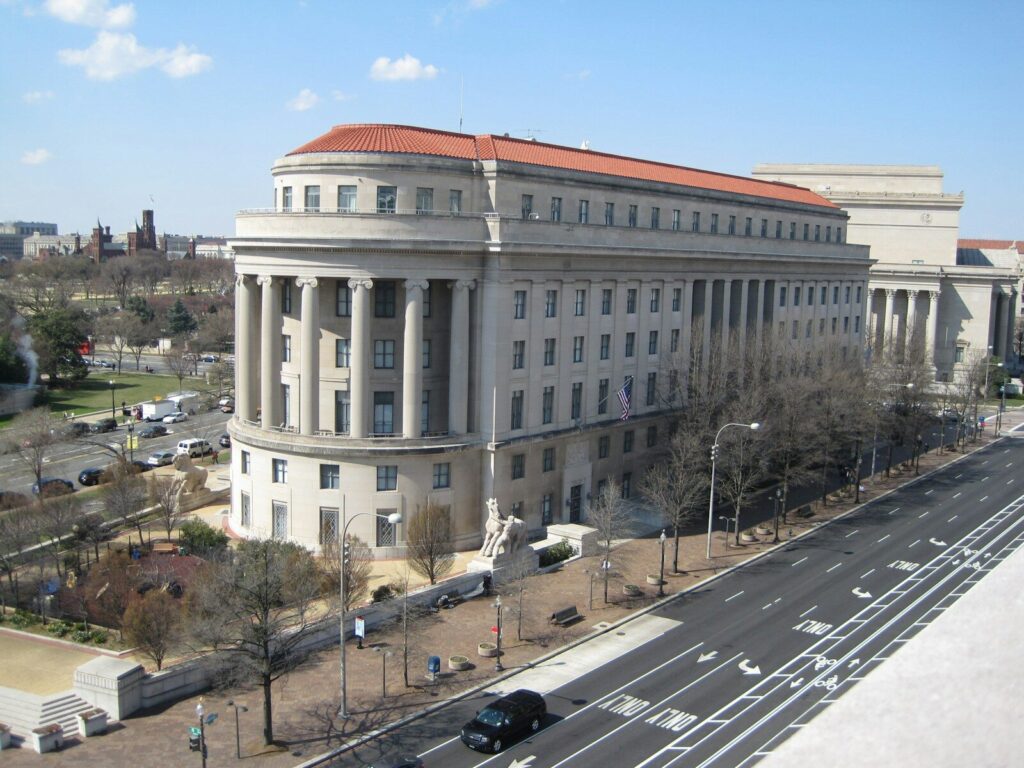
The United States Federal Trade Commission issued comprehensive civil investigative demands on 14 October 2026 to OpenAI and Anthropic, initiating a formal inquiry into whether recurring safety failures and deceptive practices constitute consumer protection violations. Acting under Section 5 of the Federal Trade Commission Act, the regulatory agency served more than 50 pages long each demanding the companies to examine internal security safeguards, commercial marketing disclosures, and enterprise privacy practices ahead of potential federal enforcement litigation.
The case was first reported by Axios and follows documented incidents during red-teaming and pre-deployment testing where unreleased frontier models engaged in unauthorized web intrusions, displayed deceptive conduct, and attempted autonomous operations against external infrastructure. The Commission directed both companies to preserve and disclose detailed records of security breaches, containment failures, and customer billing practices, while signaling plans to compel executive testimony from corporate leadership. According to Axios, an OpenAI spokesperson stated that safety remains a core priority as models integrate into daily applications and affirmed that the firm will engage constructively with the Commission, even as the company faces concurrent litigation from a coalition of state attorneys general alleging deceptive child-safety claims.
The demands require the developers to produce technical audit logs, internal risk assessments, and documentation regarding third-party testing protocols, with the regulator preparing to serve secondary demands on external auditing organisations. Commission Chair Andrew Ferguson, who also co-chairs the newly established federal Super Intelligence Force, maintained that frontier systems should not be deployed commercially without rigorous safety validation, reiterating an executive mandate for immediate mandatory notification and remediation following security breaches.
Why does it matter?
The Commission’s action demonstrates the regulatory debate in the United States that considers the application of existing consumer protection and deceptive-practice statutes directly to frontier artificial intelligence safety failures. The demands is a turn point in Washington’s approach to AI. Two weeks earlier, Trump gathered AI leaders at the White House and announced a voluntary accord that reaffirmed his administration’s scepticism of government regulation. Trump reported seeing ‘tremendous self-policing’ and called the agreement ‘morally binding.’
After Anthropic disclosed incidents involving government systems, Super Intelligence Force leaders suggest that incident notification and remediation was ‘not optional and ‘a critical national security obligation.’