
States sue AI giant OpenAI, saying its popular chatbot is hurting children and deceiving adults

The OpenAI logo is seen on a mobile phone in front of a computer screen displaying output from ChatGPT, March 21, 2023, in Boston. The White House said Friday that it has secured voluntary commitments from seven U.S. companies, including ChatGPT-maker OpenAI, meant to ensure their AI products are safe before they release them. (AP Photo/Michael Dwyer, File)
By Paul DolanHARRISBURG, Pa. (AP) — At least eight states are suing artificial intelligence giant OpenAI, saying the company’s popular chatbot model violated state consumer protection laws by hurting children and deceiving adults in what prosecutors described as a reckless pursuit of profit.
The company’s chatbot model, ChatGPT, is giving dangerous medical advice, encouraging paranoia and coaching people to commit suicide or hurt or kill others, the lawsuits said.
At the same time, the lawsuits contend that chatbots are pretending to be agreeable and compassionate while preying on the vulnerable and on teenagers, the first generation to grow up with artificial intelligence.
“OpenAI is hurting kids and they are lying to Iowans,” Iowa Attorney General Brenna Bird said in a statement.
The states also accused OpenAI of giving life to rogue AI models — or “cyberhacking agents” as one lawsuit called them — that hacked into other companies, lied to human users and wrote themselves new mission instructions.
In a statement, San Francisco-based OpenAI said it has built safety protections into ChatGPT for children, and that it would continue to do so to improve the model. It also said it is reviewing what it calls “misaligned models” and that it had found nothing close to the rogue incident discovered in July when an AI agent hacked into another AI company.
States join together in lawsuits
The wave of lawsuits is the latest filed by states under their consumer protection laws, accusing tech giants that offer AI chatbots and social media platforms of harming children. The states that filed separate lawsuits Wednesday in state courts are Arizona, Arkansas, Idaho, Kansas, Montana, Nebraska and West Virginia.
Matthew Bergman, the founding attorney of the Social Media Victims Law Center, called the lawsuits “the most significant coordinated state action ever taken against an artificial intelligence company.”
In its lawsuit, Arizona said ChatGPT encourages teens to share personal information with it and, at times, discourages them from sharing that information with parents, authorities or friends.
The states say that the risks and harms — to teenagers and to the broader public from rogue agents — were foreseeable, but that OpenAI has misled people into thinking that ChatGPT undergoes adequate safety testing while the company undermines safety in the pursuit of profit.
“Those revenues have come at great cost to the public, which has suffered irreparable harm — including lost loved ones, disturbing cyberattacks, and now a plausible threat of civilizational collapse — due to (OpenAI’s) reckless behavior and ChatGPT’s uniquely dangerous features and content,” Idaho wrote in its lawsuit.
ChatGPT is the most popular chatbot in the world, commanding nearly half the American marketplace, states said in their lawsuits.
The AI landscape is evolving
It’s possible all of the allegations in the states’ lengthy lawsuits date to incidents and findings before August, when OpenAI introduced a version of ChatGPT designed for teenagers, with stronger protections around subjects like suicide and sexual chats.
Still, the states said it is far from clear that the current version is any less dangerous.
A watchdog group, Common Sense Media, said last week that some of OpenAI’s protections in its ChatGPT for Teens product don’t work as intended and it urged OpenAI to restrict the chatbot to adults until it can offer a safe product for teens.
Coordinated, multistate lawsuits against the tech industry have borne fruit.
In August, Meta agreed to add stronger child-safety measures to its Facebook and Instagram platforms in an $18 billion landmark legal settlement that ended a trial over teen social media addiction and settled claims filed by nearly every state.
Although the safety measures that Meta agreed to adopt did not apply industrywide, the company quickly urged its competitors to adopt similar measures.
OpenAI is making a similar appeal.
OpenAI spokesperson Drew Pusateri said the company is committed to working with states on “advancing pragmatic AI policies that apply to the entire AI industry — not just one company.”
OpenAI also said it works with external experts who review its policies and ChatGPT’s behavior.
ChatGPT is intended for users age 13 and older, and users under 18 need permission from a parent or guardian to use it, OpenAI said. The chatbot model for teens is designed to reduce exposure to self-harm, violence, eating disorders and explicit sexual or graphic content, it said.
Nearly nine in 10 teens who use ChatGPT use it for learning, information, skill-building or productivity, the company said. On average, teens spend under 15 minutes a day on ChatGPT, it said.
But Laura Zimmerman, Common Sense Media’s director of youth AI research, questioned the value of OpenAI’s statistics.
For one thing, ChatGPT can do a student’s homework in seconds, so even 15 minutes can have a big impact on a teenager’s development, Zimmerman said. She also questioned whether OpenAI knows which users are teenagers or children, given that her organization’s testing found that ChatGPT couldn’t or didn’t detect which user is a child.

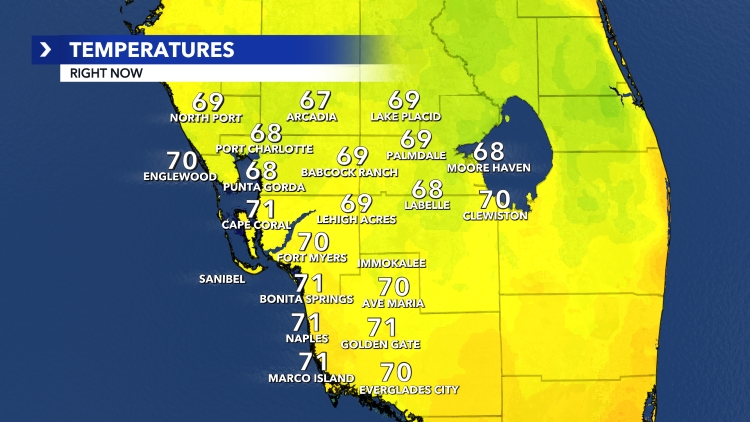
Current Temperatures
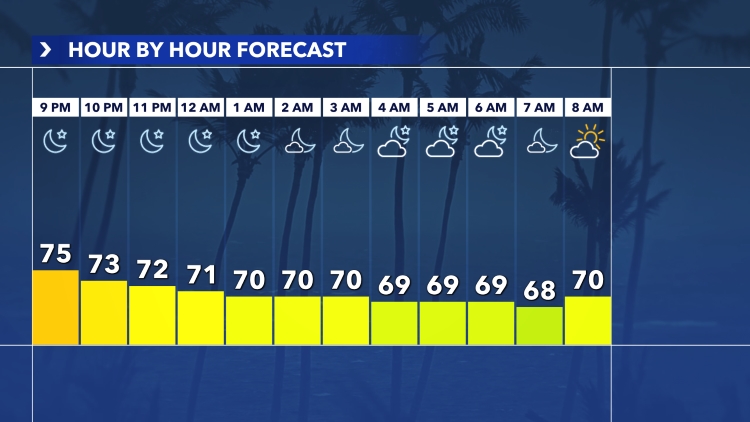
Hour by Hour Forecast



Trending
Articles
- Lee County shifts trash, recycling pickup times starting Oct. 26
- Sunshine and lower humidity steal the show
- Punta Gorda Publix shopper, 70, randomly stabbed in the face, authorities say
- Driver flees after fatal motorcycle crash on I-75 in Charlotte County, FHP says
- Handcuffed teenager escaped Lee County Sheriff's vehicle, leading to 'secure status' at Riverdale High School
- New poll shows Florida's Amendment 3 falling short of support needed to pass in November
- Rescue crew returns to Southwest Florida after Hurricane Isaias shifts course
- Fort Myers Beach terminates two senior employees amid investigation into four grants
- Major Crimes Unit investigating death at Charlotte County pool
- Sanibel shellers scoring big finds after Hurricane Isaias stirs the Gulf
Latest
- President Trump to visit Fort Myers next week ahead of midterm elections
- Rain, storms and gusty winds: What to expect this weekend
- Trump administration sues California to block state from counting alleged noncitizen mail-in ballots
- Manatee County mosquito control pilot killed in radio tower crash
- States sue AI giant OpenAI, saying its popular chatbot is hurting children and deceiving adults
- China sentences 6 for lead-tainted kindergarten food that sickened over 200 children
- Downtown Punta Gorda parking garage to shut down for maintenance
- Is gravel a mineral? The answer could decide the Casper Mountain mining controversy.