
Catholic Diocese in Mali Plans Charter for Responsible Use of Artificial Intelligence
According to the Catholic Bishop, the Diocese intends to anchor its reflection in the synodal dynamic of the universal Church.
He noted that in the face of the rapid progress of digital technologies and AI, including within pastoral communities, the Church “wishes to better understand what is at stake in these innovations and to promote their responsible use with respect for human dignity.”
The session seeks to enable pastoral leaders, Priests, men and women religious, and parish delegates to better understand the fundamental issues of AI. It also seeks to help them discern its pastoral opportunities and ethical risks in the light of the Gospel and the Church’s social doctrine.
The proceedings also aim to demystify how AI works and to identify its sociocultural and pastoral impacts in Africa and in Mali.
Participants are also expected to promote a Christian anthropology founded on the inalienable dignity of every human person, created in the image of God.
More in Africa
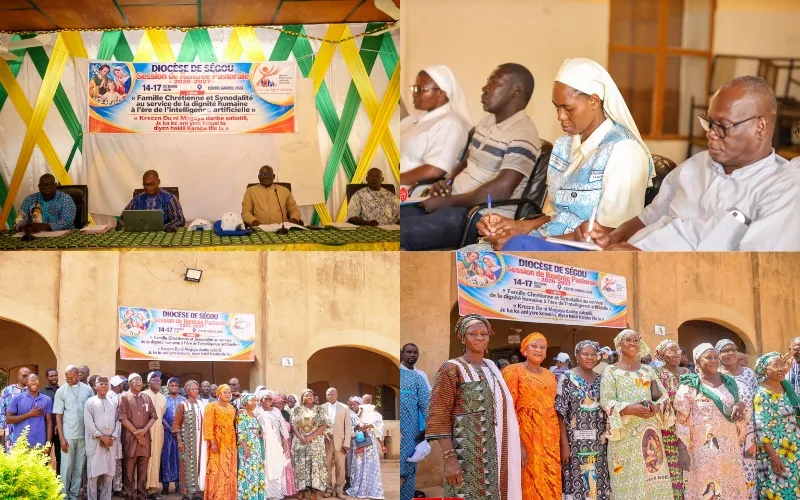
They are also tasked with putting forward concrete proposals for the protection of young people, the safeguarding of personal data and the fight against disinformation.
Delegates from several parishes took part in the meeting, including Kolongo, Niono, Markala, Bélèko, Fana and Dioïla, as well as the cathedral parish of Ségou.
The guest speaker, Eloi Dakouo, gave a presentation titled “Understanding Artificial Intelligence: Definitions, Ethical, Sociocultural and Anthropological Issues in the Light of the Gospel.”
In his presentation, Mr. Dakouo described new technologies as indispensable tools in a constantly changing world, while insisting on the need to use them in a thoughtful and responsible way. Technical and theological explanations addressed questions relating to the protection of human dignity in the face of advances in AI.
The presentation was followed by a question-and-answer session and interactive exchanges. Participants then took part in group work on the perception, use and challenges of AI in their various parish contexts, followed by a plenary session and a summary of the work.