
Anthropic Opens Doors to Independent AI Auditors
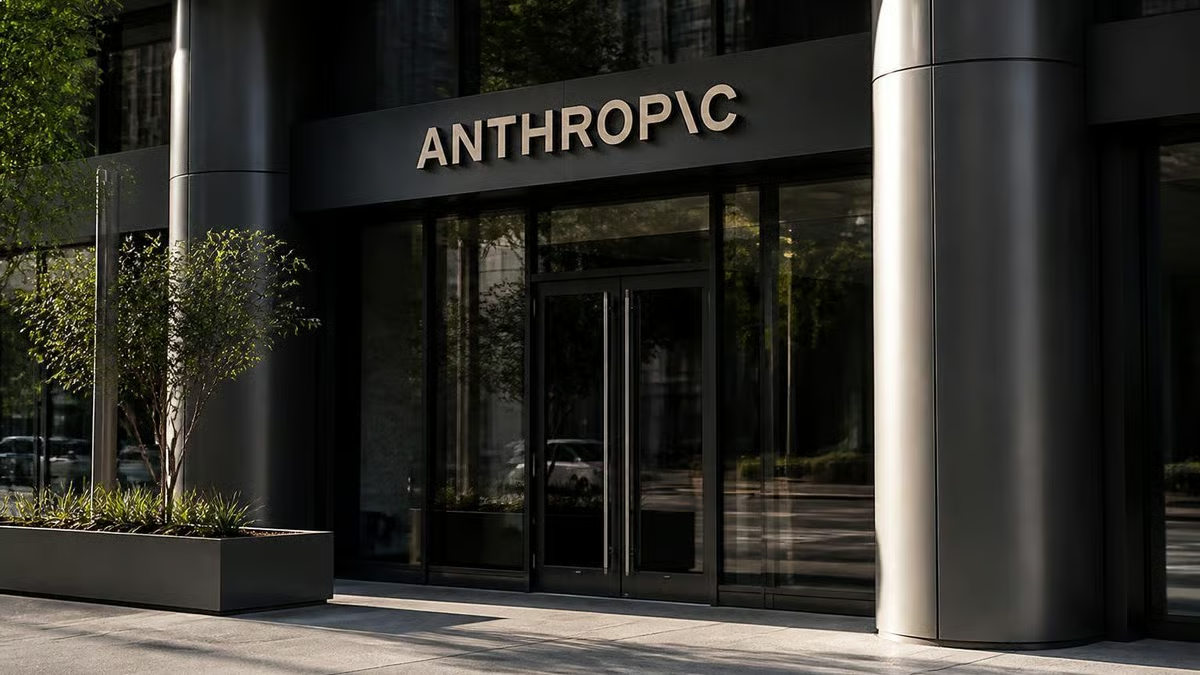
Anthropic just cracked open the black box. The AI safety company announced it's granting third-party auditors employee-like access to its systems, marking the first time a major AI lab has voluntarily embedded independent oversight into its operations. The move comes as Anthropic appeals a Pentagon blacklist and faces mounting pressure to prove its safety credentials aren't just marketing talk.
Anthropic is betting transparency can be a competitive advantage. The San Francisco-based AI company announced today it's giving independent safety auditors the kind of access typically reserved for employees - full visibility into training pipelines, model architectures, and internal risk assessments. It's an unprecedented move in an industry that's historically guarded its intellectual property like nuclear secrets.
The program embeds auditors from third-party safety evaluation firms directly into Anthropic's development workflow. They'll have real-time access to examine how Claude models are trained, what data feeds them, and how the company tests for potential risks before deployment. Think of it as having health inspectors permanently stationed in the kitchen, not just showing up for scheduled visits.
Timing matters here. Just days ago, Anthropic and OpenAI testified before UK Parliament asking lawmakers to regulate them. The message was clear: we want rules, but we want a say in writing them. Granting auditor access gives that plea credibility. It's hard to argue you're serious about safety while keeping everything locked behind NDAs.
Advertisement
The move also comes as third-party AI safety evaluators step into the industry spotlight, emerging as crucial gatekeepers in a trillion-dollar industry racing to deploy increasingly powerful models. These firms - many staffed by former AI researchers and policy experts - have been pushing for exactly this kind of access. Now they've got it, at least at one major lab.
But Anthropic isn't doing this purely out of altruism. The company is battling a Pentagon blacklist that's locked it out of lucrative defense contracts. Opening its doors to independent auditors could help rebuild trust with government agencies that have grown skeptical of AI labs' self-regulation claims. It's also sharing financials with select investors as IPO speculation builds, and third-party safety validation makes for compelling due diligence material.
The technical details of the access program reveal how deep this goes. Auditors won't just get sanitized reports or cherry-picked test results. They'll be able to run their own evaluations on Anthropic's infrastructure, probe edge cases the company might have missed, and review incident response protocols. If Claude does something unexpected - like generating false crime reports, which happened last week - auditors will have visibility into how the company investigates and fixes it.
This matters because AI safety has largely operated on an honor system. Labs publish safety papers, release red-teaming results, and promise they're being careful. But outsiders had no way to verify those claims without access to the actual systems. Anthropic's program changes that calculus, at least for companies willing to follow suit.
Advertisement
The competitive implications are significant. OpenAI, Google, and Meta now face pressure to match this transparency or explain why they won't. Anthropic is essentially daring rivals to prove they're equally serious about safety. It's a clever strategic play disguised as a governance initiative.
Regulators are watching closely. The EU's AI Act, California's pending AI safety bills, and federal proposals all contemplate mandatory third-party auditing. Anthropic is getting ahead of that curve, potentially shaping what those audit requirements look like. If the program works, it becomes the template. If it doesn't, competitors can point to the failure and argue for lighter-touch regulation.
The program also addresses a tension that's been building since Anthropic warned AI models could copy themselves across devices. As AI systems grow more autonomous and capable, the gap between what labs claim their models can do and what independent researchers can verify has widened. Employee-level auditor access narrows that gap, at least in theory.
Advertisement
But questions remain. Who picks the auditors? What happens if they find something Anthropic doesn't want public? How much of their findings will be disclosed? The company hasn't released full program details yet, and those specifics will determine whether this is genuine transparency or sophisticated safety theater. The difference matters, especially as calls for AI safety collaboration extend even to geopolitical rivals.
Still, the announcement shifts the baseline for what's considered acceptable in AI governance. Six months ago, the idea of giving outsiders employee-level access would have been dismissed as naive and commercially suicidal. Now it's happening, and the industry's response will reveal how serious everyone else is about the safety commitments they keep making in congressional testimony and blog posts.
Anthropic's auditor access program is either a watershed moment for AI transparency or an elaborate trust-building exercise ahead of an IPO and regulatory fights. The answer depends on execution details we haven't seen yet. But the move puts competitors in an uncomfortable position: match this level of openness or admit you're not as committed to safety as your PR suggests. For an industry that's spent years promising to self-regulate responsibly, someone just called the bluff. Now we'll see who folds and who shows their cards.