
Morocco Creates First-Ever AI Ministry, Targets $10 Billion in Economic Gains by 2030
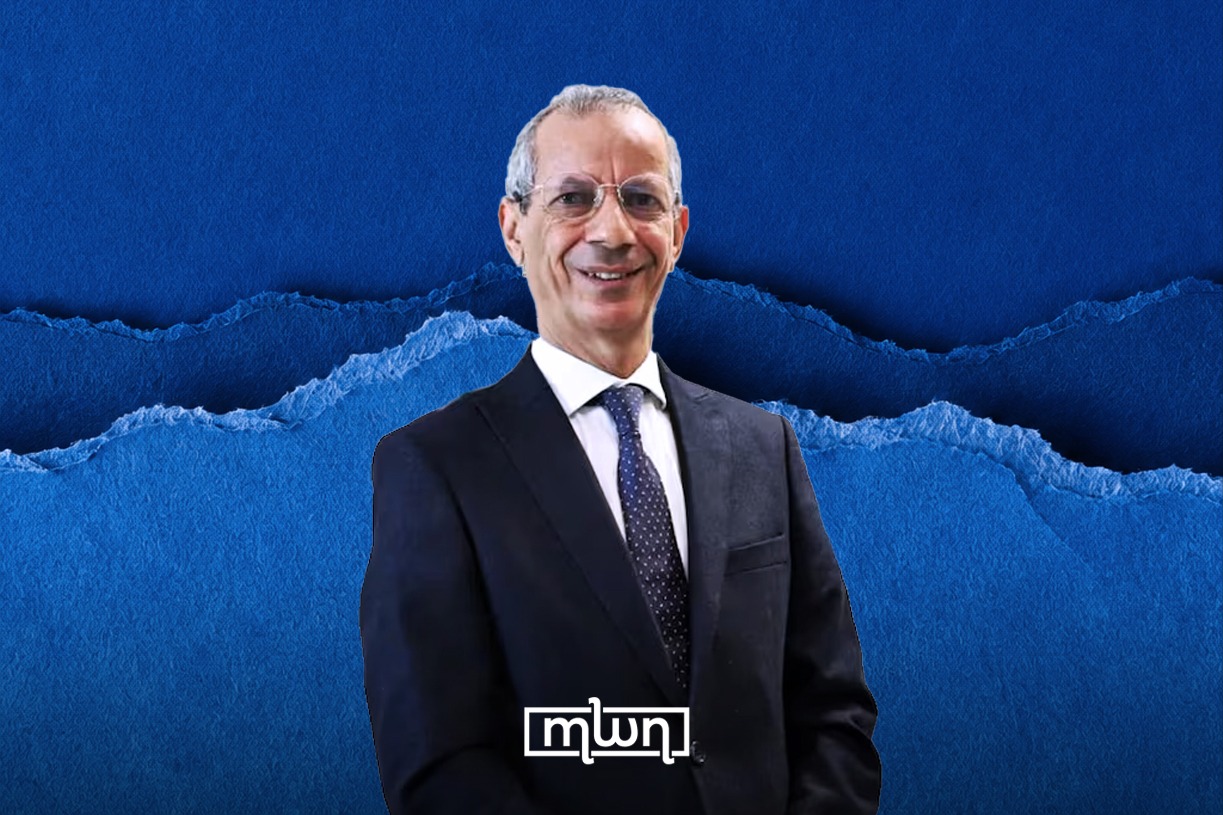
Rabat – Morocco has established a new government ministry explicitly dedicated to artificial intelligence (AI), marking a significant step in the country’s efforts to accelerate digital transformation and strengthen its position as a technology hub in Africa.
King Mohammed VI appointed Ahmed Rahhou as minister of artificial intelligence, digital transformation, and administrative reform on Friday, October 16, as part of the new government led by Fatima Zahra El Mansouri.
The new department brings artificial intelligence into the official name of the ministry responsible for digital transformation and administrative reform, highlighting the growing importance of AI in Morocco’s economic development and public administration.
Rahhou takes over a portfolio that inherits the country’s existing digital development programs, including the Morocco Digital 2030 strategy and the Morocco AI 2030 roadmap.
His appointment comes as Morocco seeks to move beyond adopting technologies developed abroad and build its own AI capabilities, infrastructure, and expertise.
Morocco pledges $10 billion in economic gains from AI by 2030
Morocco has set ambitious targets for artificial intelligence through its national AI 2030 roadmap, also known as “AI Made in Morocco.”
The strategy aims to generate MAD 100 billion ($10 billion) in additional gross domestic product (GDP) by 2030. It also seeks to create 50,000 direct and indirect jobs in the sector and train and certify 200,000 people in AI-related skills.
The roadmap focuses on developing local technological capabilities, supporting innovation, strengthening digital infrastructure, and integrating AI into different sectors of the economy.
The government has also identified digital sovereignty as a central priority, seeking greater control over the infrastructure, data, and computing capacity needed to develop and operate AI systems.
In September, Moroccan authorities presented progress on the roadmap, including plans to expand the national network of JAZARI Institutes, which supports AI research and innovation.
The government also presented a sovereign AI marketplace intended to provide access to secure AI solutions while strengthening data protection and national control over digital infrastructure.
Another initiative, Idarati AI, aims to help citizens navigate administrative procedures through AI-powered assistance.
Morocco is also working to develop AI models adapted to its linguistic and cultural context, including Arabic, Moroccan Darija, and Amazigh.
These efforts reflect the country’s ambition to develop technologies that respond to local needs while creating opportunities for businesses, researchers, and young graduates.
Africa risks falling behind in the global AI race
Despite Morocco’s ambitions, the wider African continent faces significant obstacles to benefiting from the rapid expansion of artificial intelligence.
A July 2026 report by the International Monetary Fund (IMF) found that Sub-Saharan Africa ranked lowest on its AI Preparedness Index, reflecting persistent weaknesses in digital infrastructure, internet access, technical skills, and regulatory capacity.
The report estimated that AI could increase the region’s economic output by around 4% over the next decade if countries address these challenges. Without meaningful improvements, however, the economic gains could remain close to 0.2%.
Access to electricity and reliable internet connectivity remains a major concern. According to the IMF analysis, only 38% of Africans used the internet in 2024, compared with 68% globally.
The continent also hosts only around 5.5% of the world’s data centers, with much of its existing capacity concentrated in a small number of countries.
These disparities risk limiting the ability of African economies to develop local AI applications and benefit from productivity gains in sectors such as education, healthcare, agriculture, and public administration.
For Morocco, the challenge is therefore not only to expand AI adoption domestically but also to strengthen its technological capacity and position itself as a regional partner.
Morocco seeks a greater role in Africa’s AI development
Morocco has increasingly presented digital transformation and artificial intelligence as strategic priorities in its engagement with African countries.
In April 2026, Foreign Minister Nasser Bourita reiterated the Kingdom’s commitment to promoting AI for peace, security, and sustainable development across the continent.
Morocco has also supported continental efforts to establish a common framework for AI development, including the African Declaration on Artificial Intelligence and plans for an African fund dedicated to the technology.
The country’s ambitions include strengthening cooperation, developing African expertise, and encouraging the creation of AI solutions that respond to the continent’s economic and social needs.
However, achieving these objectives will require sustained investment in infrastructure, education, research, and innovation.
Morocco’s new ministry provides a stronger institutional focus for these efforts, but the success of its AI ambitions will ultimately depend on the implementation of its national roadmap and the ability to translate investment commitments into tangible results.
As AI increasingly shapes global economic competition, Morocco is seeking to strengthen its own capabilities while helping Africa secure a greater role in the technology’s development.