
Artificial intelligence controversy plagues the Caine Prize; Zimbabwean writer defends the originality of his winning story
This incident has reopened the debate about the impact of artificial intelligence on creativity and literary writing

Harare, Zimbabwe – A Zimbabwean writer has denied using artificial intelligence (AI) in writing his story that won the Caine Prize for African Literature.
This denial came after questions were raised about the extent to which digital tools are used in literary production.
The incident has also reignited the debate about the impact of AI on creativity and literary writing.
The writer emphasized that his winning story was the result of his own personal creative effort.
He explained that he did not rely on AI programs in crafting the text or developing its plot.
He stressed that the work reflects his experience and literary vision, and that it is not the product of automated intervention or the use of text-generating tools.
The authenticity of literary works and the rights of their owners
The controversy surrounding the prize has sparked interest in cultural and literary circles,
particularly given the increasing reliance on artificial intelligence applications in writing, translation, and editing.
This has also raised questions about the limits of using these technologies
and their impact on the authenticity of literary works and the rights of their authors.
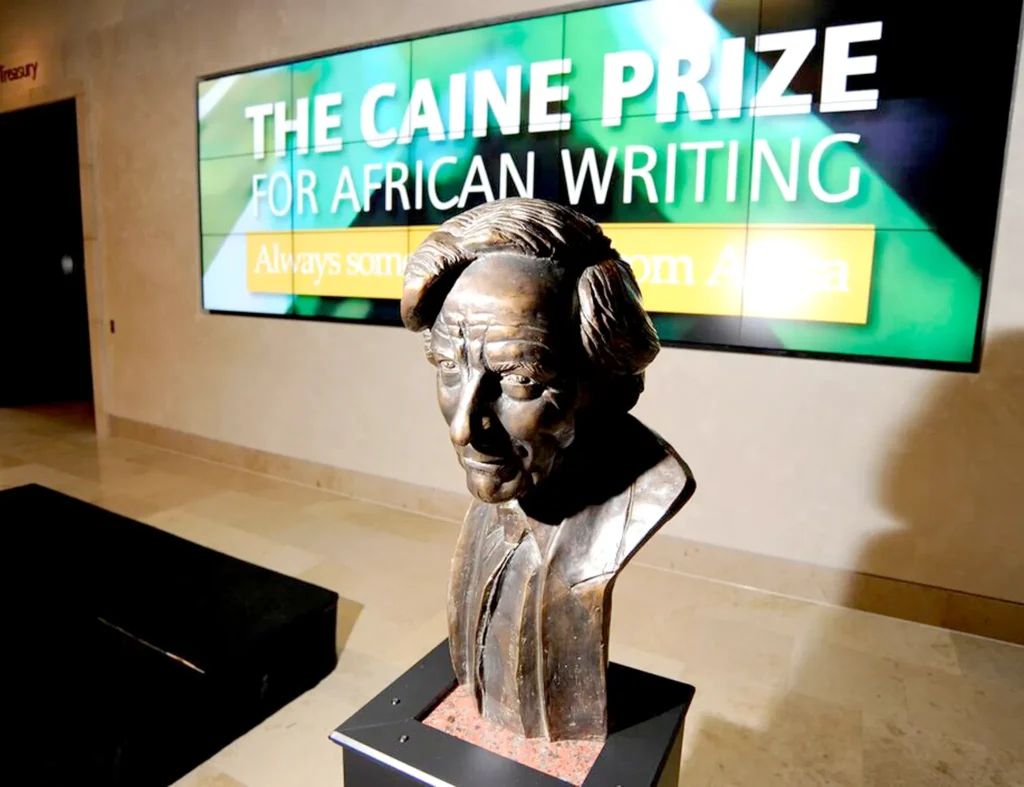
The Caine Prize for African Literature is a prestigious literary award that highlights African talent and writing.
It also offers short story writers the opportunity to reach a wider international audience.
Clear standards ensure transparency
Observers believe this incident reflects the new challenges facing cultural institutions and judging panels.
Therefore, there is a need to establish clear standards that guarantee transparency and preserve the value of human creativity.
Furthermore, the transformations imposed by modern technology on the literary industry must not be overlooked.
This debate comes at a time of increasing global discussion regarding the relationship between writers and machines.
Questions are also being raised about whether artificial intelligence is a tool to assist creators or a threat to the independence and originality of human creativity.

Editor's Pick
A mysterious injury reveals secrets of Neanderthal life in Iraq 75,000 years ago
Reconstructing the details of Neanderthal social and physical life
The Nuremberg Trials: International Justice Pursues Nazi Leaders for War Crimes
They committed war crimes and crimes against humanity during World War II

Trump denies responsibility for the lack of Starlink in Ukraine
Will the satellite internet services crisis affect relations between Washington and Kyiv?
Trending

Kenya records third Ebola case linked to two previous cases
Will the authorities succeed in containing the virus and preventing…
Trump fires Katie Zakaria as White House press secretary after 5 days
Did the controversy surrounding Zakaria's legal…
China warns the European Union against underestimating its ability to wage a trade war
Will European pressure succeed in extracting…
Putin: Russia is creating a security zone inside Ukraine and refuses to negotiate about it
Moscow asserts that the zone aims…
An international report reveals that Beirut Airport’s accreditation has expired threatening the resumption of flights with the United States
What shortcomings might delay the resumption…