
Use of Artificial Intelligence by Bangladeshi Doctors and Its Impact on Medical Learning, Research, and Clinical Practice: An Internet-Based Pilot Survey
Introduction
Artificial intelligence (AI) has emerged as a transformative technology in healthcare, with applications extending across medical education, biomedical research, diagnostics, clinical decision support, and healthcare management. Recent advances in machine learning and large language models have accelerated the adoption of AI-based tools among healthcare professionals by enabling rapid information retrieval, data analysis, and generation of medical knowledge resources [1,2].
In medical education, AI-based platforms have demonstrated potential to support personalized learning, improve access to educational resources, and assist learners in understanding complex medical concepts. The integration of AI literacy into medical training has become increasingly important as future healthcare professionals are expected to work alongside AI-enabled technologies while maintaining critical appraisal skills and ethical awareness [3].
AI has also influenced medical research by facilitating literature review, research planning, data analysis, and scientific writing support. However, responsible use of AI in research requires attention to accuracy, transparency, bias, data privacy, and appropriate human oversight [2,4].
In clinical practice, AI applications have shown promise in areas such as diagnostic assistance, clinical decision support, and patient management. Nevertheless, concerns regarding algorithmic bias, explainability, accountability, and ethical implementation remain important barriers to widespread adoption [4,5]. International recommendations emphasize that healthcare AI systems should be developed and implemented with principles of fairness, transparency, robustness, and human-centered care [5].
Although AI adoption among healthcare professionals is increasing globally, evidence regarding AI utilization patterns among doctors in Bangladesh remains limited. Understanding how Bangladeshi doctors use AI tools in medical learning, research, and clinical practice is essential for developing appropriate training strategies and responsible integration policies.
Therefore, the objectives of this pilot study were: (1) to assess the frequency and patterns of AI use among Bangladeshi doctors; (2) to identify the commonly used AI platforms and their applications in medical learning, research, and clinical practice; (3) to evaluate doctors’ perceptions regarding the impact of AI on medical learning, research, and clinical practice; (4) to explore doctors’ opinions regarding the early integration of AI into medical education and healthcare and its potential future role in replacing or augmenting conventional medical activities.
Materials & Methods
Study design and participants
This was a cross-sectional, internet-based pilot survey conducted among a small group of Bangladeshi doctors to assess the use of AI in medical learning, research, and clinical practice.
A structured questionnaire was developed using Google Forms and distributed electronically through a WhatsApp group to doctors of different professional categories. The questionnaire collected information regarding demographic characteristics, professional background, frequency of AI use, commonly used AI platforms, applications of AI, and participants’ perceptions regarding AI integration in medical science. Participation was voluntary, and respondents were informed about the purpose of the study and the confidentiality of their responses. Completion of the questionnaire indicated consent for participation and use of anonymized data for research purposes.
The WhatsApp group contained about 500 members. A total of 58 doctors completed the survey and were included in the analysis. The choice of participation was completely voluntary and no individual contact was made to the members. However, considering that all members of the group received the invitation, the participation rate was 11.6%.
Data collection tool
A structured, self-administered questionnaire was developed by the two investigators based on their knowledge and the objectives of the study to assess the patterns of AI utilization among Bangladeshi doctors. The questionnaire included sections on demographic characteristics; professional status; frequency of AI use; preferred AI platforms; applications in medical learning, research, and clinical practice; perceived benefits; and future perspectives regarding AI integration in healthcare. The questionnaire was prepared using Google Forms and distributed electronically. Although it was checked by a senior faculty member, no formal psychometric validation or pilot pretesting of the questionnaire was conducted before data collection.
Participants evaluated the perceived impact of AI on medical learning, research, and clinical practice using a five-point Likert scale ranging from “not at all (score 1)” to “extremely (score 5).” Questions assessed opinions regarding AI replacing conventional medical activities and the need for early AI integration into medical education.
Statistical analysis
Data were exported from Google Forms and analyzed using descriptive statistics. Categorical variables are presented as frequencies and percentages. Data are displayed through appropriate tables and figures.
Ethical considerations
This was an anonymous, voluntary, non-interventional survey. No personally identifiable information was collected, and confidentiality of participants’ responses was maintained. According to the Manual on Institutional Review Boards by the Bangladesh Medical Research Council, survey-based research involving minimal risk and without identifiable participant information is exempt from Institutional Review Board (IRB) review. Therefore, formal IRB approval was not obtained for this study.
Results
Demographic characteristics
A total of 58 doctors participated in this internet-based survey. The gender distribution showed a slightly higher proportion of female participants (30, 51.7%) compared with male participants (28, 48.3%).
Regarding age distribution, the majority of respondents belonged to the 25-34-year age group (36, 62.0%), followed by 35-44 years (19, 32.8%) and 45-54 years (3, 5.2%). No participants were reported in the <25-year or ≥55-year age categories.
Regarding professional level, most were postgraduate trainees (42, 72.4%), followed by specialists (15, 25.9%). A small proportion were FCPS Final part in medicine examinees (1, 1.7%). No interns or general practitioners participated in the survey. The demographic characteristics of the participants are presented in Table 1.
| Parameters | Categories | n (%) |
| Age (years) | <25 | 0 (0%) |
| 25–34 | 36 (62.0%) | |
| 35–44 | 19 (32.8%) | |
| 45–54 | 3 (5.2%) | |
| ≥55 | 0 (0%) | |
| Gender | Male | 28 (48.3%) |
| Female | 30 (51.7%) | |
| Professional level | Postgraduate trainee | 42 (72.4%) |
| FCPS final part examinee | 1 (1.7%) | |
| Specialist | 15 (25.9%) |
Patterns of artificial intelligence platform use
The pattern of AI software use is depicted in Figure 1. Among the 58 respondents, ChatGPT was the most commonly used AI platform, reported by 54 (93.1%) participants. Other AI platforms used by participants included Claude (7, 12.1%), Gemini (5, 8.6%), and Notebook LM (4, 6.9%), which is now called Gemini Notebook. A smaller proportion of respondents reported using GrokAI (2, 3.4%) and SciSpace (2, 3.4%). Individual participants also reported using additional AI tools, including Perplexity, Copilot, Microsoft 365 AI, and Google AI-based tools (each reported by 1 participant, 1.7%). As participants could select multiple options, the total percentage exceeds 100%.
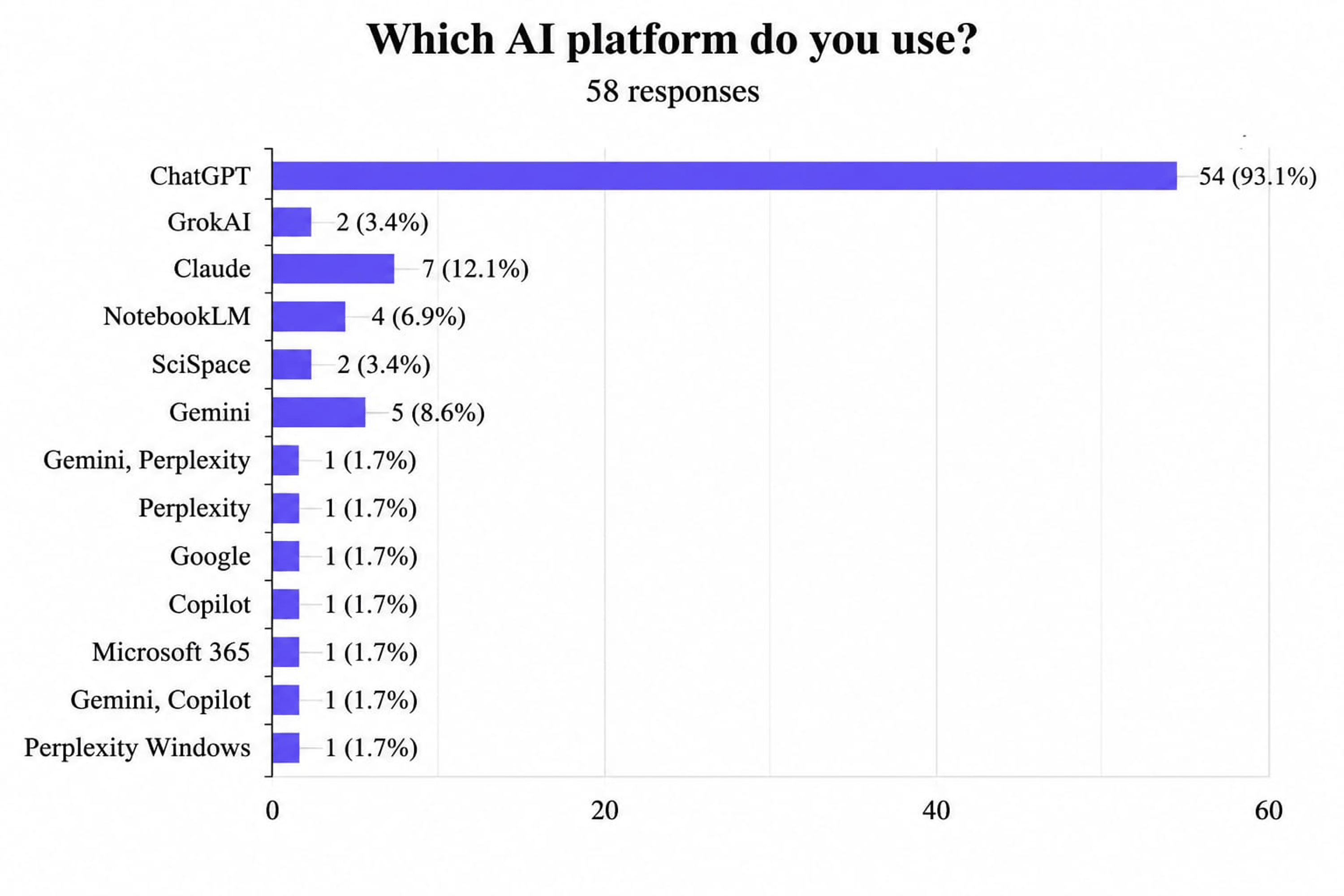
Frequency of artificial intelligence platform use
The frequency of AI software use varied across medical learning, research, and clinical practice domains among the 58 participants (Figure 2).
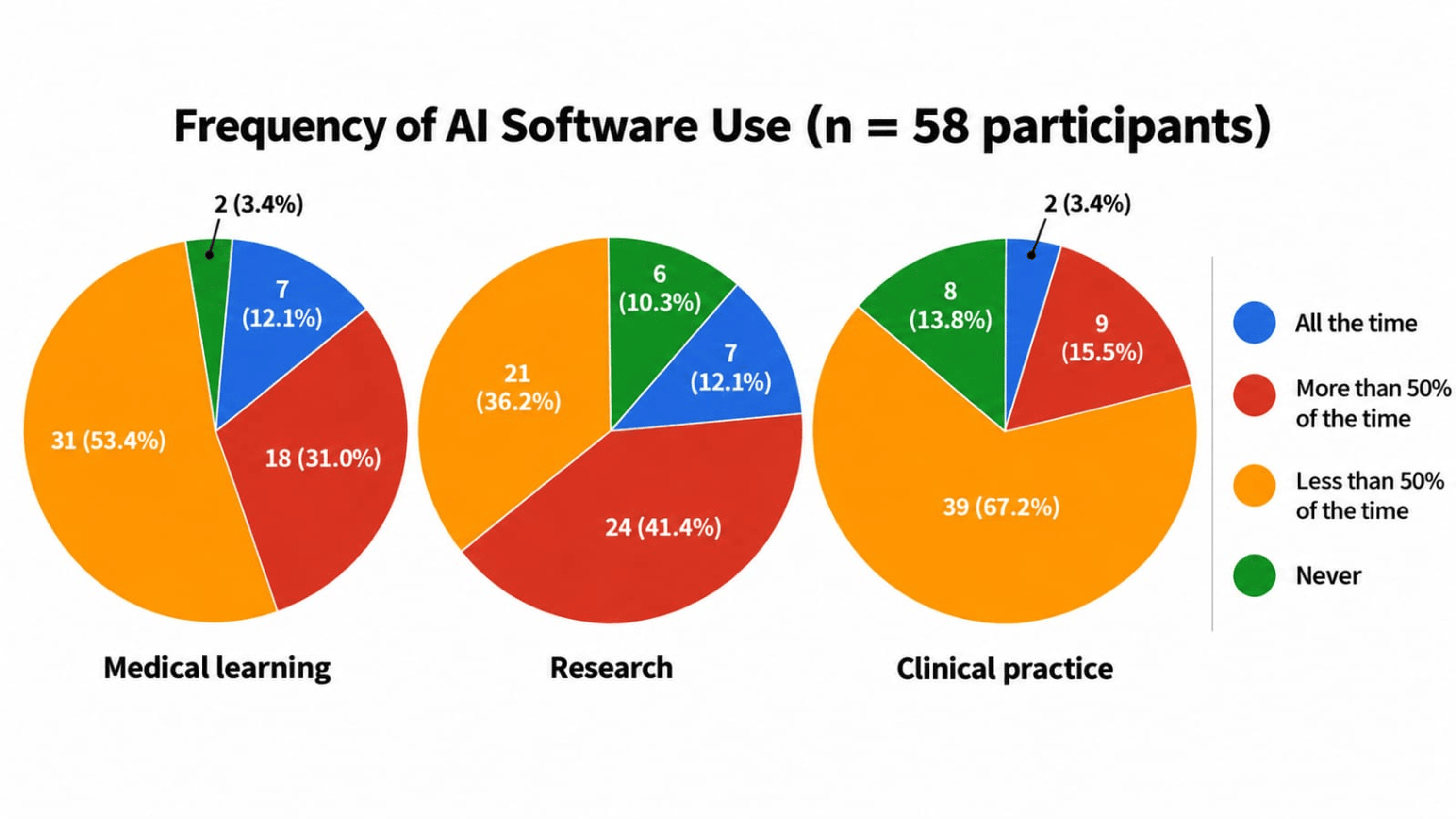
In medical learning, 31 (53.4%) participants reported using AI software for less than 50% of the time, while 18 (31.0%) participants used AI for more than 50% of their learning activities. Seven (12.1%) participants reported using AI all the time, whereas two (3.4%) participants reported never using AI for medical learning.
For research activities, AI use was comparatively lower. Overall, 24 (41.4%) participants reported using AI for less than 50% of their research activities, followed by 21 (36.2%) participants using AI for more than 50% of the time. Seven (12.1%) participants reported using AI all the time, while six (10.3%) participants reported never using AI for research.
In clinical practice, AI use was less frequent compared with medical learning and research. The majority of participants (39, 67.2%) reported using AI for less than 50% of the time. Nine (15.5%) participants used AI for more than 50% of clinical activities, while eight (13.8%) participants reported never using AI in clinical practice. Only two (3.4%) participants reported using AI all the time in clinical practice.
In a nutshell, AI utilization was highest in medical learning, followed by research, and lowest in clinical practice.
Areas of application of artificial intelligence
The areas where participants used AI varied across medical learning, research, and clinical practice domains. As multiple responses were allowed, participants could select more than one application (Figure 3).
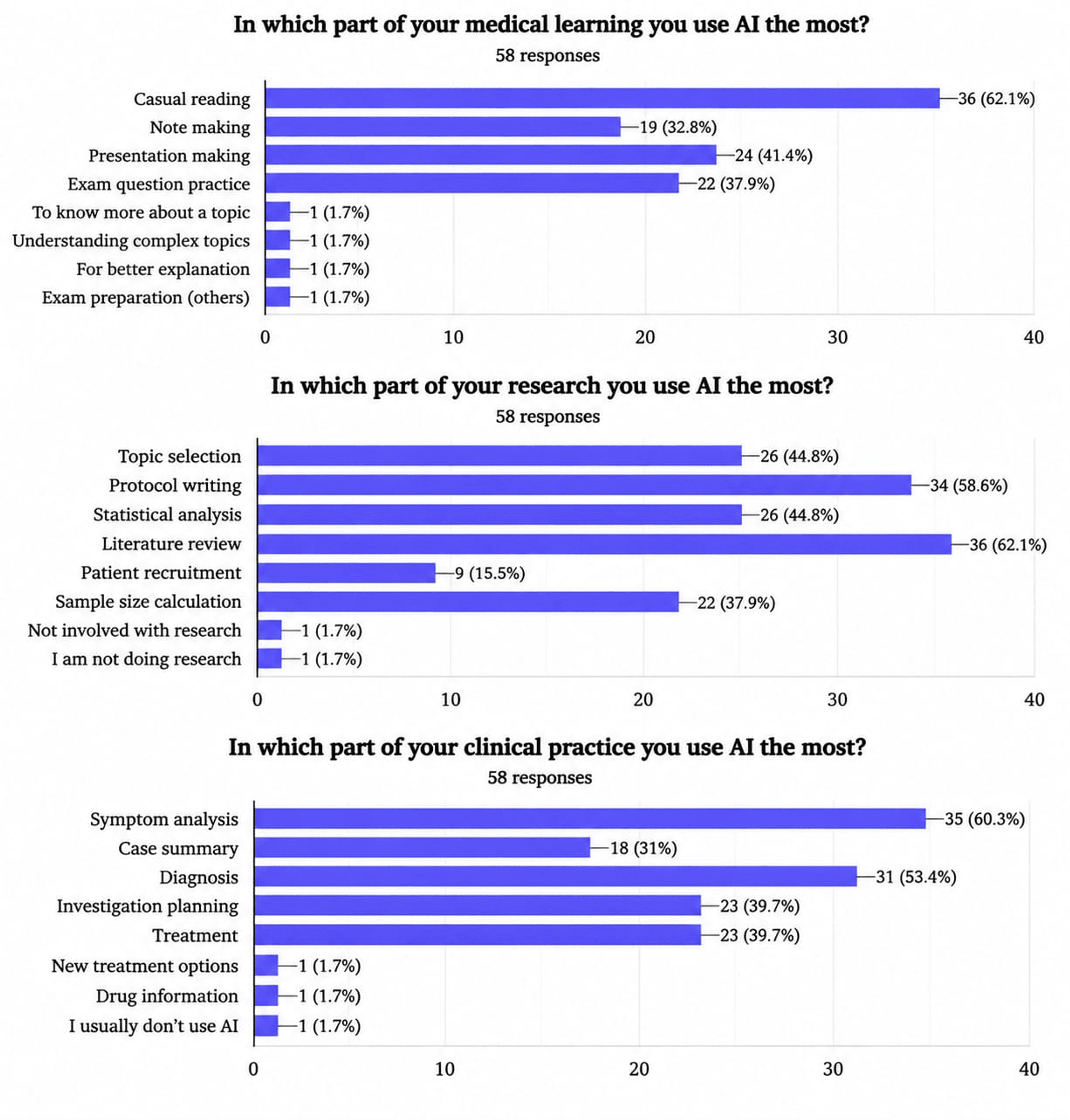
Among medical learning activities, casual reading was the most common application of AI, reported by 36 (62.1%) participants. Other frequently reported uses included presentation preparation (24, 41.4%), exam question preparation (22, 37.9%), and note-making (19, 32.8%). A small number of participants reported using AI for understanding concepts, obtaining more information, or improving explanations (each reported by one participant, 1.7%).
For research-related activities, literature review was the most frequent application, reported by 36 (62.1%) participants. This was followed by protocol writing (34, 58.6%), topic selection (26, 44.8%), and statistical analysis (26, 44.8%). AI was also used for sample size calculation by 22 (37.9%) participants and patient recruitment-related activities by nine (15.5%) participants.
In clinical practice, symptom analysis was the most commonly reported use of AI, reported by 35 (60.3%) participants. Other major applications included diagnostic support (31, 53.4%), investigation planning (23, 39.7%), and treatment-related assistance (23, 39.7%). AI was less frequently used for case summary preparation (18, 31.0%). A small number of participants reported using AI for drug information or exploring new treatments (each one participant, 1.7%).
Overall, AI was most commonly used for educational support and research activities, particularly casual reading and literature review, while clinical applications were mainly focused on symptom analysis and diagnostic assistance.
Impact of artificial intelligence
Participants were asked to rate the impact of AI software integration on medical learning, research, and clinical practice using a five-point Likert scale ranging from 1 (not at all) to 5 (extremely) (Figure 4).
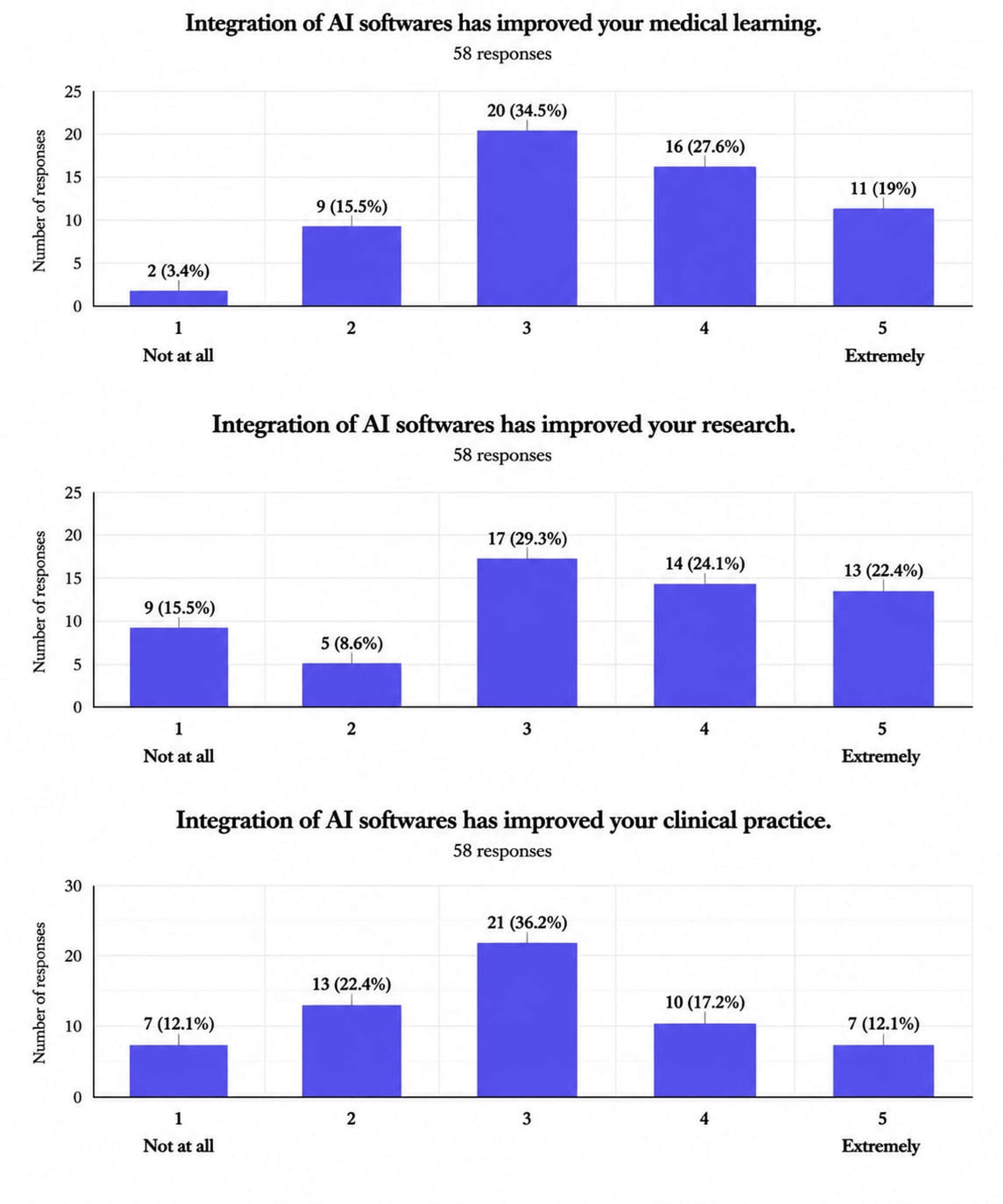
Regarding medical learning, the most common response was a moderate improvement (score 3), reported by 20 (34.5%) participants. This was followed by a very high perceived improvement (score 4) among 16 (27.6%) participants and an extreme improvement (score 5) among 11 (19.0%) participants. A smaller proportion reported slight improvement (score 2; nine participants, 15.5%) or no improvement (score 1; two participants, 3.4%).
For research improvement, the most frequent response was also moderate improvement (score 3), reported by 17 (29.3%) participants. Overall, 14 (24.1%) participants reported very much improvement (score 4), and 13 (22.4%) participants reported extreme improvement (score 5). Nine (15.5%) participants reported no improvement, while five (8.6%) participants reported slight improvement.
Regarding clinical practice improvement, moderate improvement (score 3) was the most commonly selected response, reported by 21 (36.2%) participants. Overall, 13 (22.4%) participants reported slight improvement (score 2), while 10 (17.2%) participants reported very much improvement (score 4). Seven (12.1%) participants each selected no improvement (score 1) and extreme improvement (score 5).
Participants perceived AI integration as having a moderate-to-substantial positive impact, with the strongest perceived benefit observed in medical learning, followed by research and clinical practice. AI use in research in Bangladesh is still not popular and is less adopted. Moreover, appropriate training for using AI in research is not available. So, the participants found it less helpful in their research-related work.
Fluctuation of performance without artificial intelligence
Participants were asked how often they believed their performance would decrease without the use of AI (Figure 5).
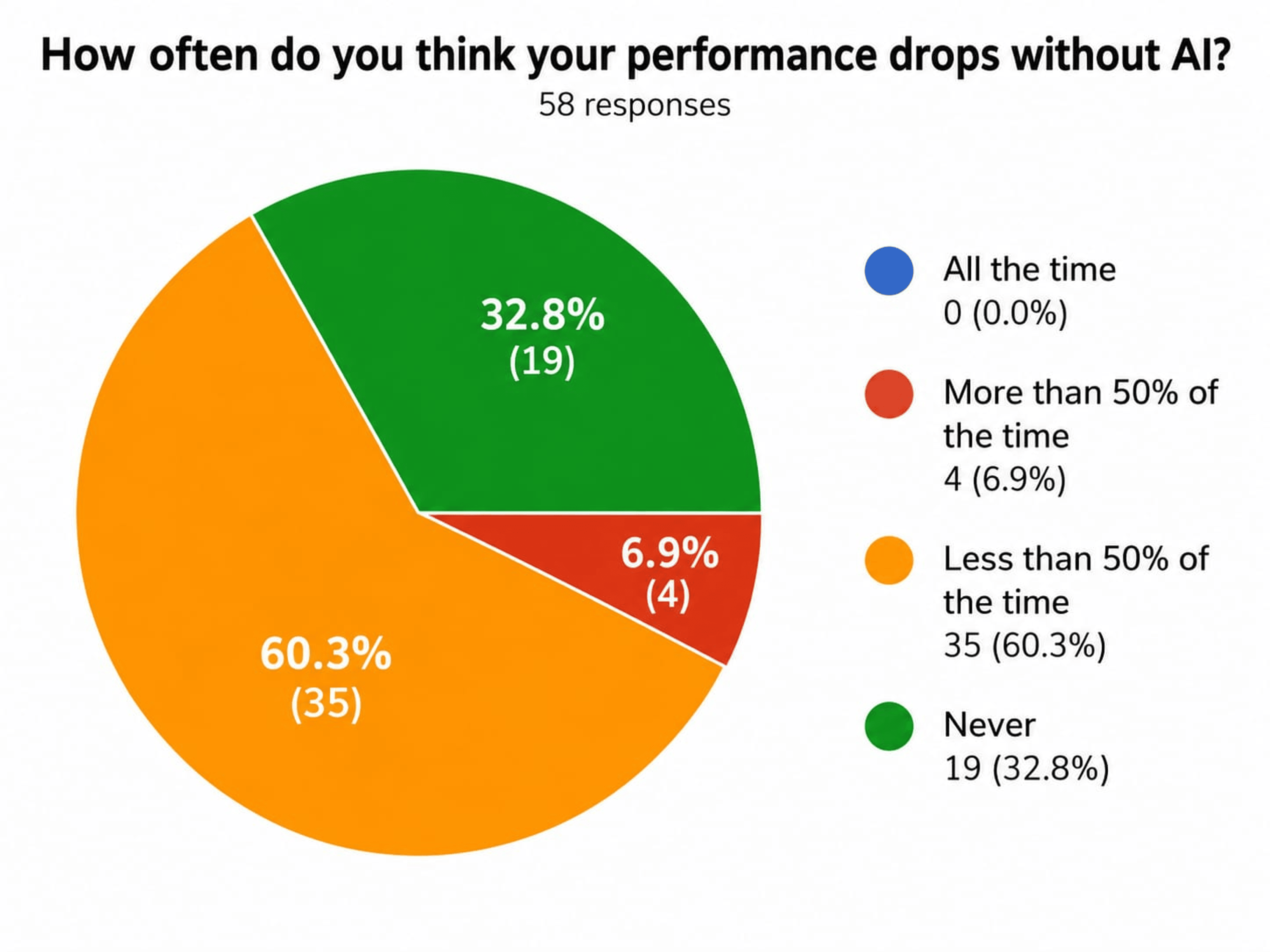
Among the 58 respondents, the majority (35 participants, 60.3%) reported that their performance would decrease less than 50% of the time without AI assistance. A total of 19 (32.8%) participants reported that their performance would never decrease without AI. Only four (6.9%) participants felt that their performance would decrease more than 50% of the time without AI support. No participant reported that their performance would decrease all the time without AI.
Most participants perceived AI as a supportive tool that enhances their performance but did not consider it essential for maintaining their routine performance.
Early integration of artificial intelligence
Participants were asked to give their opinion regarding whether AI should be integrated into medical learning, research, and clinical practice from an early stage (Figure 6).
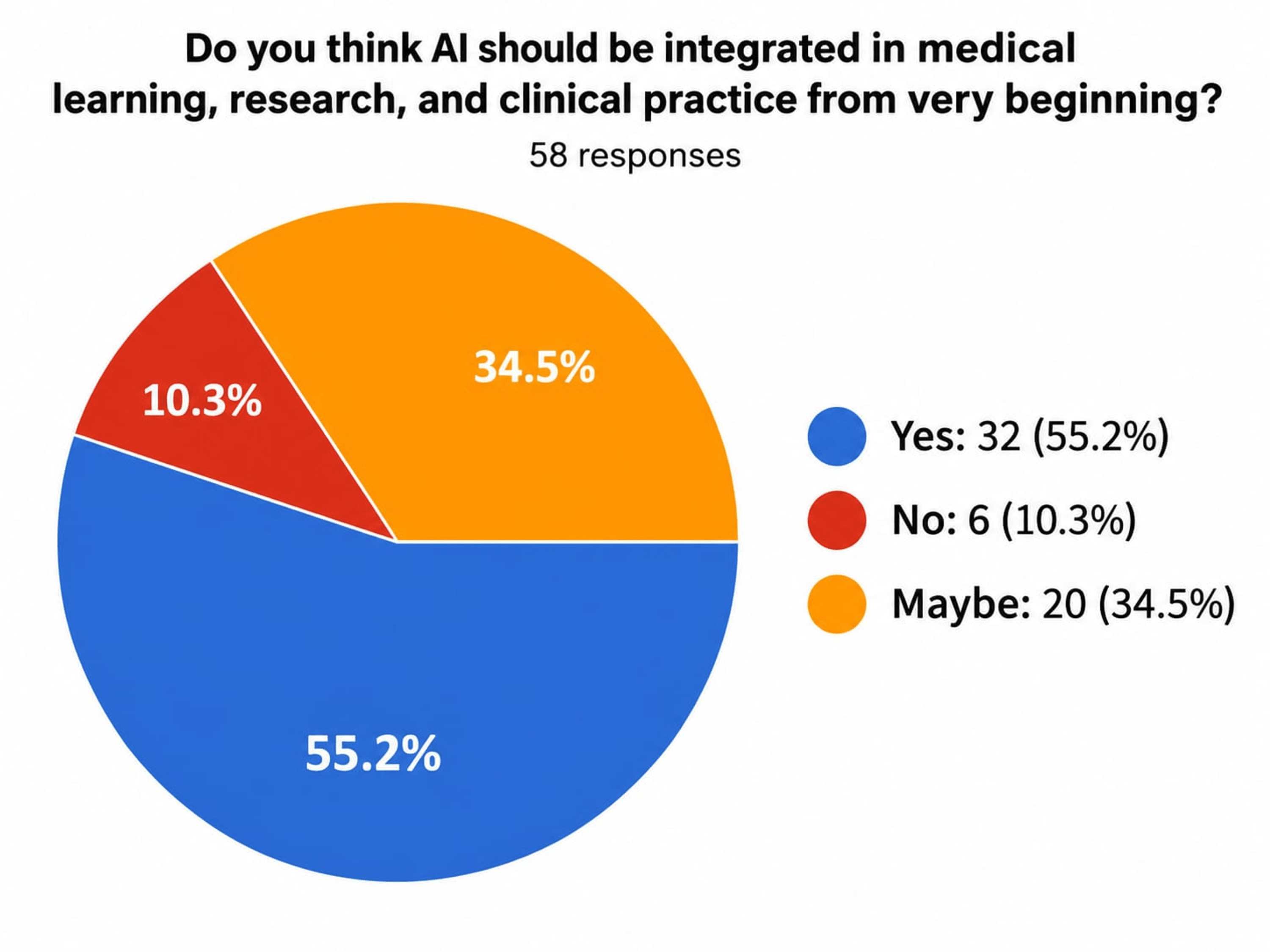
Among the 58 respondents, 32 (55.2%) participants agreed that AI should be integrated from the beginning.
A total of 20 (34.5%) participants selected “Maybe,” indicating uncertainty regarding early AI integration. Only six (10.3%) participants did not support early integration of AI into medical learning, research, and clinical practice.
The majority of participants supported early incorporation of AI into medical education and healthcare-related activities, although a considerable proportion expressed uncertainty.
Future role of artificial intelligence: replacement or augmentation?
Finally, participants were asked to express their perceptions regarding whether AI would replace conventional medical learning, research, clinical practice, or doctors in the future (Figure 7).
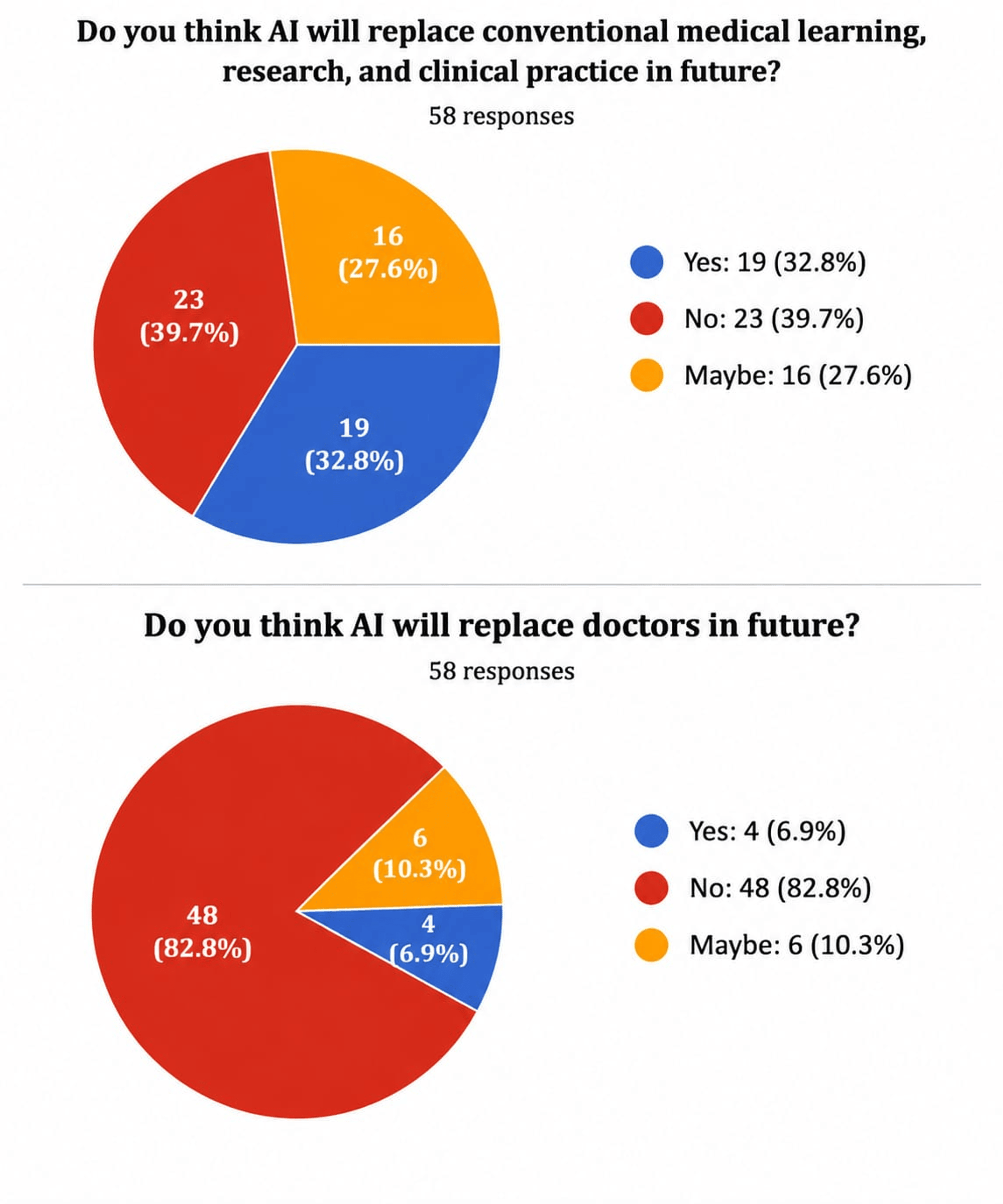
Regarding the possibility of AI replacing conventional medical learning, research, and clinical practice, responses were variable. Among the 58 participants, 23 (39.7%) participants believed that AI would not replace conventional medical activities, while 19 (32.8%) participants thought that AI could replace them in the future. A total of 16 (27.6%) participants selected “Maybe.”
When asked whether AI would replace doctors in the future, the majority of participants (48, 82.8%) disagreed. Only four (6.9%) participants believed that AI could replace doctors, while six (10.3%) participants selected “Maybe.”
As a whole, participants showed greater acceptance of AI as a tool in medical activities, while most did not perceive AI as a complete replacement for doctors.
Discussion
This pilot survey provides preliminary insight into the current pattern of AI utilization among Bangladeshi doctors and demonstrates that AI is already being incorporated into medical learning, research, and clinical practice. Among the 58 respondents, AI adoption was the highest in medical learning and research, whereas routine clinical use was comparatively lower. This pattern suggests that doctors are currently using AI mainly as an educational and academic support tool before wider integration into clinical decision-making.
In our study, 53.4% of participants reported using AI for less than 50% of their medical learning activities, while 12.1% reported using AI all the time. On the other hand, 31% of participants reported using AI more than 50% of the time. Casual reading was the most common learning-related application (62.1%), followed by presentation preparation (41.4%) and exam question preparation (37.9%). Previous reports demonstrate that large language model-based AI tools can support medical education by providing explanations, summarizing information, and assisting learners in exploring medical concepts. However, effective use requires learners to critically evaluate AI-generated information rather than relying on it without verification [6,7]. In our survey, AI use was still lagging, and a significant number of doctors still relied on manual learning without AI.
AI was also frequently used for research-related activities. In our survey, literature review was the most common research application (62.1%), followed by protocol writing (58.6%), while topic selection and statistical analysis were each reported by 44.8% of participants. These findings indicate that AI is becoming a useful assistant in different stages of medical research. Previous studies have highlighted the potential of AI tools to improve efficiency in scientific writing, information retrieval, and research workflow management. However, concerns regarding inaccurate information generation, fabricated references, and limited contextual understanding remain important challenges that require human supervision [6,8].
ChatGPT was the most frequently used AI platform in our study, with 93.1% of respondents reporting its use. The widespread adoption of ChatGPT may be related to its easy accessibility, conversational ability, and broad range of applications in medical education and research. Previous evaluations have demonstrated that ChatGPT can perform well in medical knowledge-based assessments, including the United States Medical Licensing Examination, suggesting potential value as an educational support tool [7]. Nevertheless, AI performance may vary depending on the complexity of the clinical scenario, and medical professionals must remain responsible for final interpretation and decision-making.
Although clinical use of AI was less frequent compared with learning and research, a considerable proportion of participants reported using AI for symptom analysis (60.3%), diagnosis support (53.4%), investigation planning (39.7%), and treatment-related information (39.7%). These findings indicate increasing interest in AI-assisted clinical support among Bangladeshi doctors. Similar discussions in the literature have emphasized that AI may enhance clinical efficiency by assisting healthcare professionals; however, limitations related to reliability, transparency, privacy, and ethical responsibility remain barriers to unrestricted clinical adoption [8,9].
Participants generally perceived AI as beneficial for medical learning, research, and clinical practice. However, opinions regarding whether AI could replace conventional medical activities or doctors in the future were variable. Current evidence suggests that AI is more likely to serve as an augmentation technology rather than a replacement for physicians. Human expertise, clinical reasoning, communication skills, and ethical judgment remain essential components of healthcare delivery [8,9].
The findings of this study highlight the importance of developing AI-related competencies among medical professionals. As AI becomes increasingly integrated into healthcare, doctors need appropriate training to understand its capabilities, limitations, and ethical implications. Incorporating AI education into medical curricula may help future physicians use these technologies safely and effectively [3].
This study has several limitations. First, it was a pilot survey with a relatively small sample size of 58 participants with a participation rate of 11.6%, which limits the generalizability of the findings. Second, participants were recruited through a WhatsApp-based online survey, which may have introduced selection bias toward doctors with greater digital accessibility or interest in AI. Moreover, the fact that highest participation by postgraduate trainees and no participation by interns and general practitioners maybe due to higher trends of AI use by the postgraduate trainees. Third, AI utilization patterns were self-reported and may not accurately reflect actual usage behavior. Fourth, the developed questionnaire was not formally validated or pretested before use. Finally, the statistical analysis was limited to descriptive statistics, and no inferential statistical tests were performed. Therefore, associations between participant characteristics and AI utilization patterns could not be evaluated, and the findings should be interpreted as exploratory and hypothesis-generating. Future multicenter studies with larger sample sizes and validated questionnaires are required to evaluate AI adoption patterns, barriers, and training needs among healthcare professionals in Bangladesh.
Conclusions
This pilot survey demonstrates that AI tools are increasingly being adopted by Bangladeshi doctors, particularly for medical learning and research activities. ChatGPT was the most commonly used platform, and AI was frequently utilized for literature review, protocol writing, educational support, symptom analysis, and diagnostic assistance. Participants generally perceived AI as a beneficial tool for improving medical learning, research, and clinical practice. However, the current use of AI in clinical settings remains comparatively limited, highlighting the need for appropriate training, ethical guidance, and responsible integration of AI into healthcare. Rather than replacing physicians, AI should be considered a supportive technology that enhances clinical efficiency while maintaining the essential role of human expertise and judgment. Further large-scale studies are required to better understand AI adoption patterns, challenges, and educational needs among healthcare professionals in Bangladesh.