
Chinese Post-2000s-Founded "Local Muse" Goes Viral in Silicon Valley AI Community, Secures Investments from a16z and Anthropic
Zhidx, October 19: Conway Research, a US startup that develops AI agents and was founded just eight months ago, recently introduced Underdog, its first personal AI assistant. The company also officially announced that it had received investment from Anthology, an investment group associated with Anthropic, the well-known Silicon Valley venture capital firm a16z, and individual investors and organizations. These included leading AI experts from Google, OpenAI, and Hugging Face.
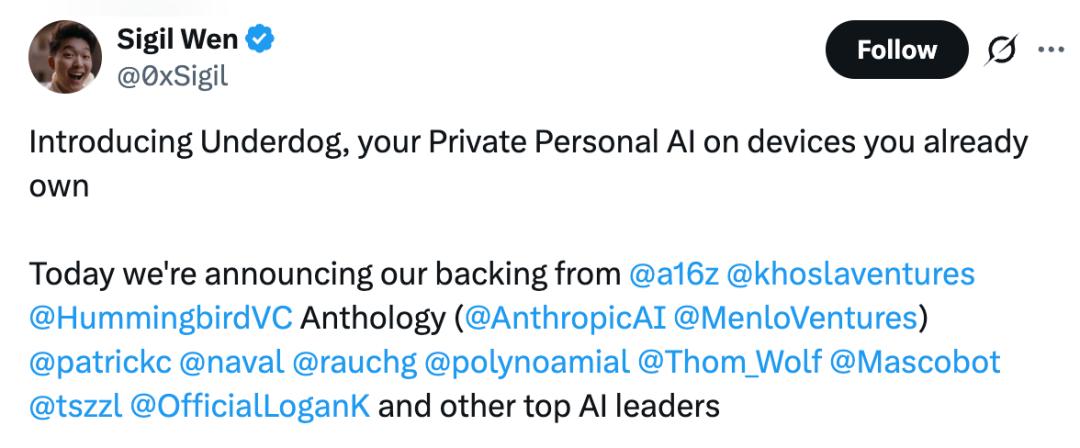
▲ Conway Research founder Sigil Wen announces the funding on X (Image source: X)
The company describes Underdog as “the most privacy-preserving competitor to Muse so far”.
On September 8, Meta released Muse, a personal AI assistant. Just 10 days after its launch, Muse climbed to the top of the overall free app chart on the US App Store, beating ChatGPT. Muse can break down users' goals into smaller tasks and carry them out on its own. It can help with many activities, including office work, daily life, and shopping. Each user gets a separate virtual computer in the cloud that can keep running tasks in the background.
This trend spread quickly. OpenAI launched its new-generation AI agent, Dot; Elon Musk released Grok Bot; and Manus introduced version 2.0. Reports also revealed that Chinese companies, including ByteDance, Tencent, Ant Group, and Alibaba, were developing similar products.
Underdog has features similar to those of Muse and other products, helping users manage tasks at work and in daily life. Its biggest difference is that Underdog runs entirely on the user's own device and can work without an internet connection.

▲ A demonstration of Underdog automatically adding events to a schedule (Image source: Conway Research)
Conway Research was founded in February this year. Its main research focus is building AI agent systems that can work independently. The product it has released is still being tested by invited users and is not yet available to the general public.
The company's founder is Sigil Wen, a self-taught Silicon Valley AI talent born after 2000 who left university before graduating. He was born in Toronto. Soon after moving to Silicon Valley at age 17, he spent 11 months living and working closely with a group of people who later became well-known AI founders and experts. They included leading AI talent Andrej Karpathy and the co-founders of Midjourney and Anthropic. He also got to try early versions of Midjourney and Claude as far back as 2021.
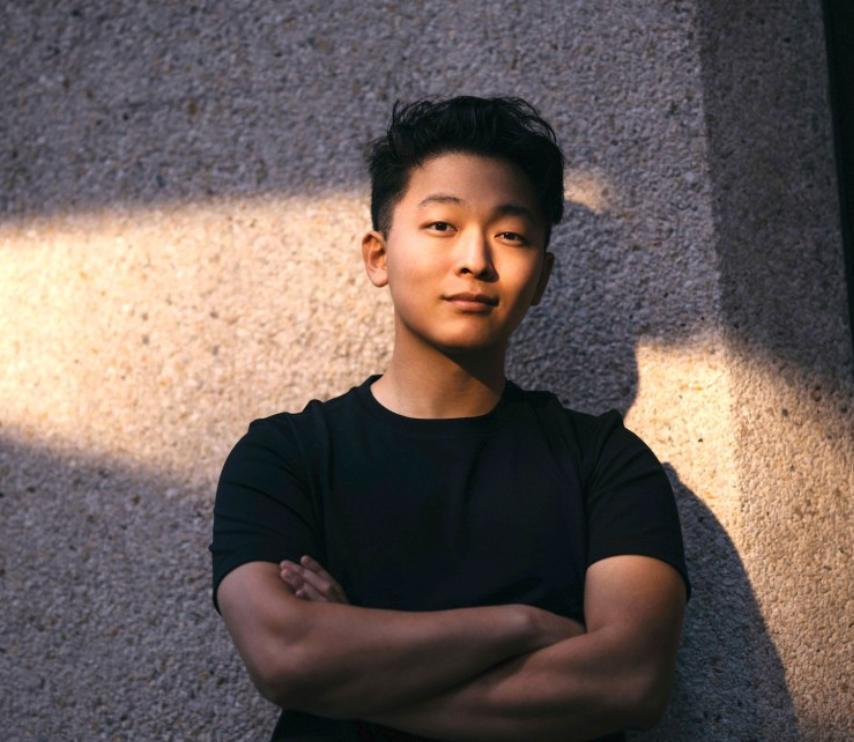
▲ Sigil Wen (Image source: TechCrunch)
Sigil Wen first became well known on the social platform X for running GPT-2 on an Apple Watch. He also released the first AI Automaton that could keep itself running, improve itself, and make copies of itself without human help.
So why are leading people in Silicon Valley investing in this rising AI company, and what makes its AI agent different? We look for answers to these questions.
01. Runs entirely on your device and can check emails, create images, and handle meeting notes
Underdog's main feature is that it runs entirely on the user's device. This means data stays on the device, and the assistant can help users make decisions even when they are offline.
The product has released a beta version for Mac and Windows computers. Versions for Linux, iOS, and Android are planned for the future. On a Mac, it can connect directly to users' email accounts and calendars. It can check emails, arrange schedules, process meeting notes, accept voice input, run online errands, and handle private iMessage messages.
Since its launch, Underdog has been adding more features. These include tools to create and edit images locally, an on-device AI payment feature developed with Stripe, and a one-click tool for importing meeting notes.
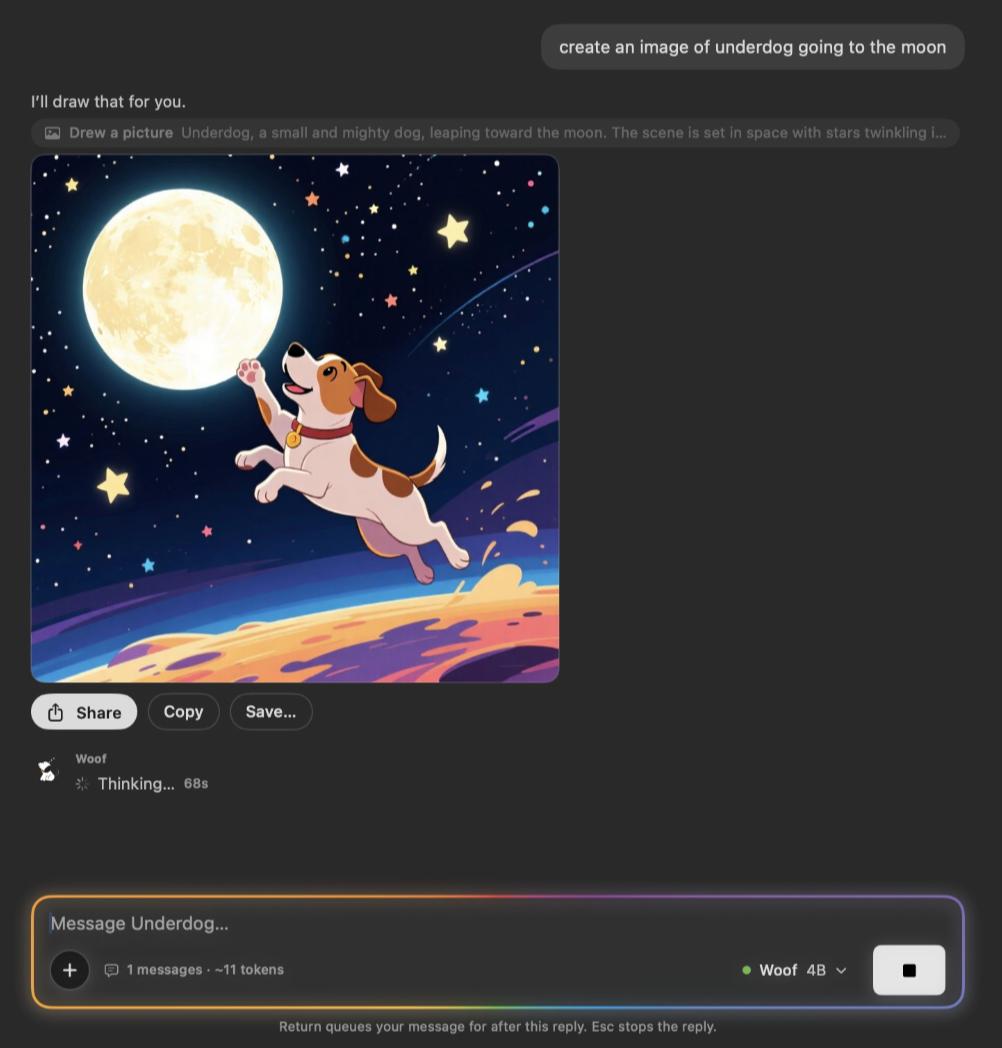
On October 12, the company released a free feature for creating and editing images directly on the device. It is based on Qwen-Image Flash and Qwen-Image-2.1-Turbo.
According to the company's official demonstration, Underdog Images can create pictures from instructions written in everyday language. It can also create images based on reference pictures, change selected parts of an image, replace backgrounds, and perform other editing tasks.
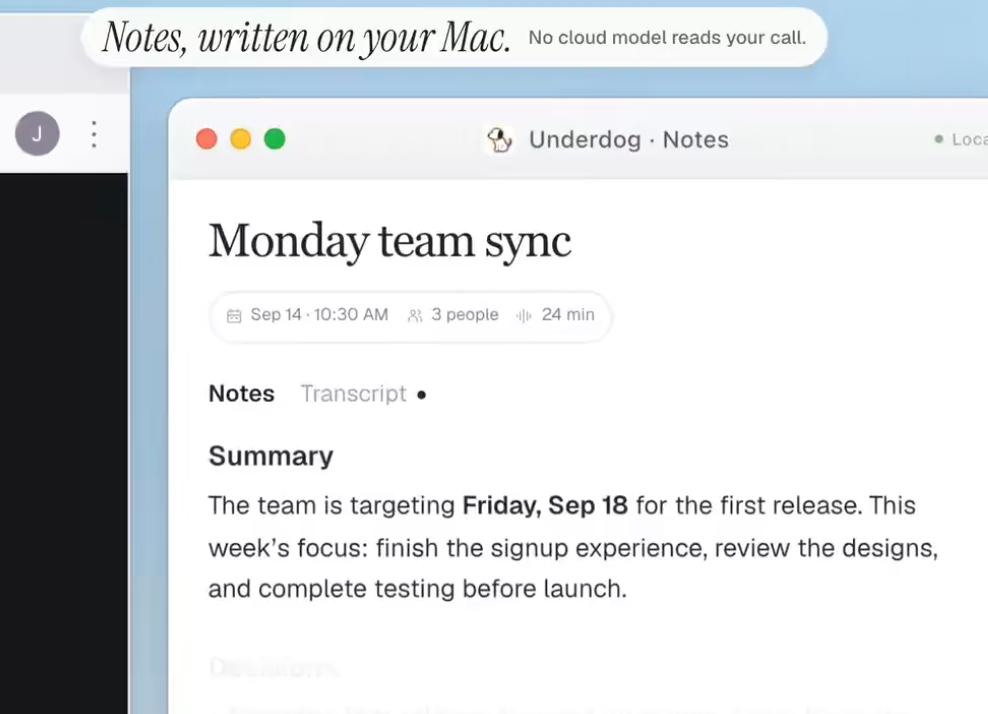
On the same day, Underdog introduced a feature that lets users import meeting notes with one click. The notes are not uploaded to any server. As soon as a call ends, the tool can create a summary, list the decisions made, and identify the tasks that need to be done.
On October 14, Underdog worked with Stripe to launch what it described as the first payment feature for an AI agent running directly on a device. In the local browser, Underdog can obtain a one-time Link card for the exact amount needed and wait for the user to approve the payment.

The company also said it was researching ways for its AI agent to shop directly on behalf of users. Its long-term goal is to develop local AI that can remember a user's personal context over time and handle tasks directly for them.
02. A fine-tuned model based on Qwen3.8 27B, with an exclusive inference engine 4.5 times faster than MLX
According to the company, Underdog's performance comes from two main technologies: a smaller, smarter AI model and its own inference engine, called Husky. An inference engine is the system that runs a model and produces its answers.
First, there are the models. Underdog uses Woof 4B, which is designed to be faster, and Saluki 27B, which is designed to be smarter. Saluki 27B has been released as open-source software.
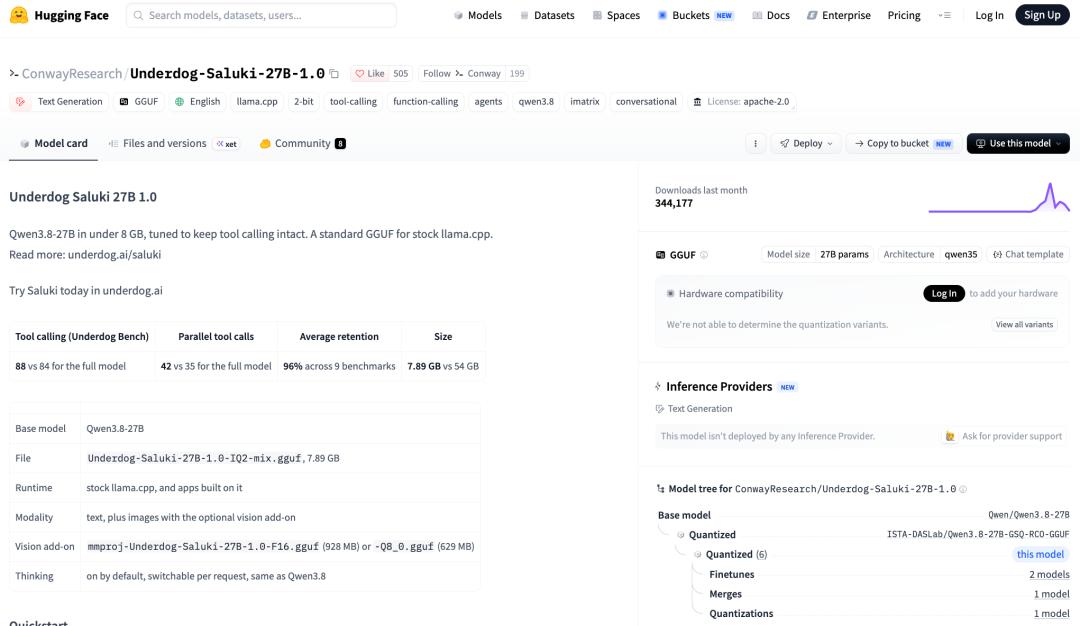
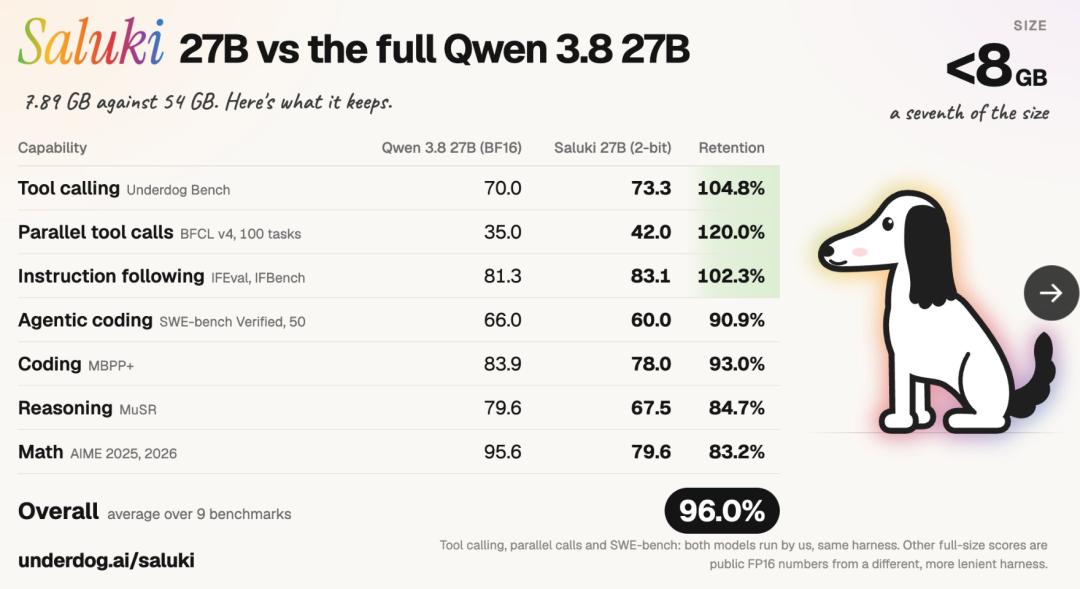
Saluki 27B is based on Qwen3.8 27B. According to the company's published figures, the model's file size is one-seventh that of the full-precision version, while it keeps 96% of the original performance. It also performs better than the Qwen model when choosing and using tools to complete tasks.
In an interview with the technology news outlet TechCrunch, Sigil Wen said the model could handle everyday tasks people expect from AI assistants, such as researching products before shopping or solving math homework problems. He said the cost of running Underdog was so low that the company did not need to charge subscription fees.
The second key technology is Husky, an inference engine built specifically for Underdog. It is also what allows the application to run on users' own devices.
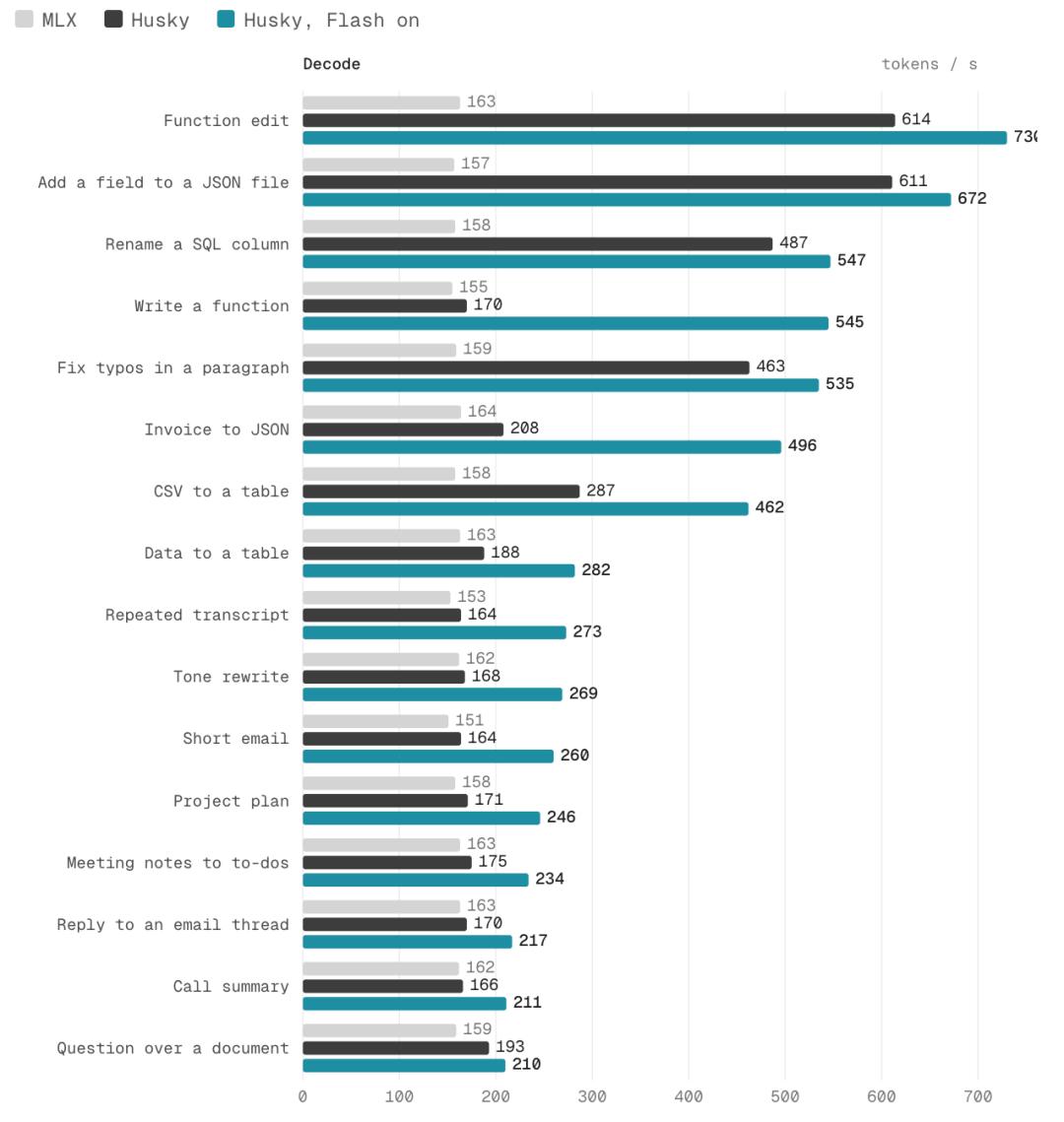
According to the company's figures, when Husky Flash is enabled on a MacBook, Woof 4B can process up to 730 tokens per second. That is 4.5 times faster than MLX, Apple's open-source machine learning framework. With the same model weights, its response speed is 5 times faster.
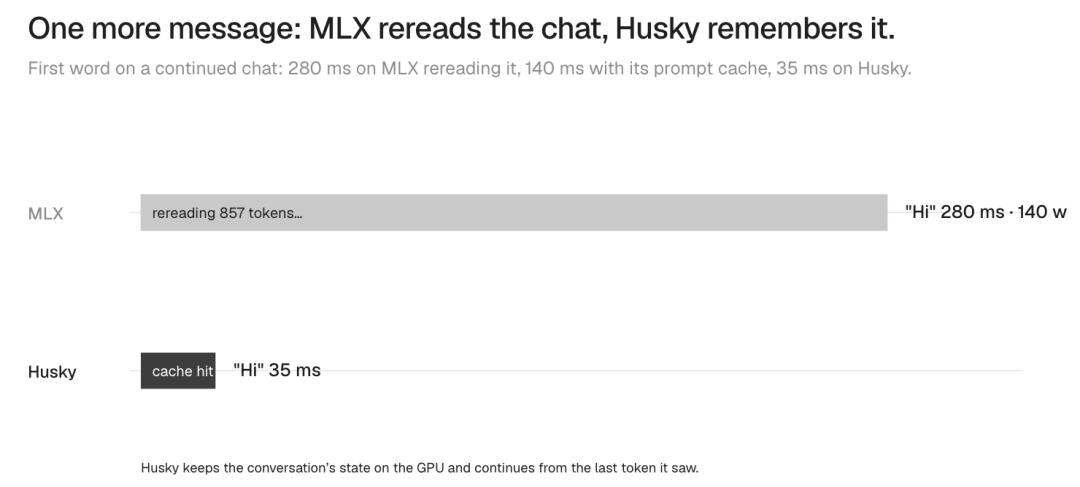
The team tested Husky and MLX in 16 different prompt scenarios. The results showed that Husky was faster in every test.
One reason for this speed is how Husky handles image editing. At each step, it checks eight tokens at the same time, with a processing cost 1.5 times that of checking a single token. Most of the content needed for the answer is already included in the prompt's context. Husky speeds up text generation through pipeline scheduling: while the current step is running, it prepares and submits the next step. This keeps the graphics processing unit (GPU) from sitting idle while waiting for the main computer processor.
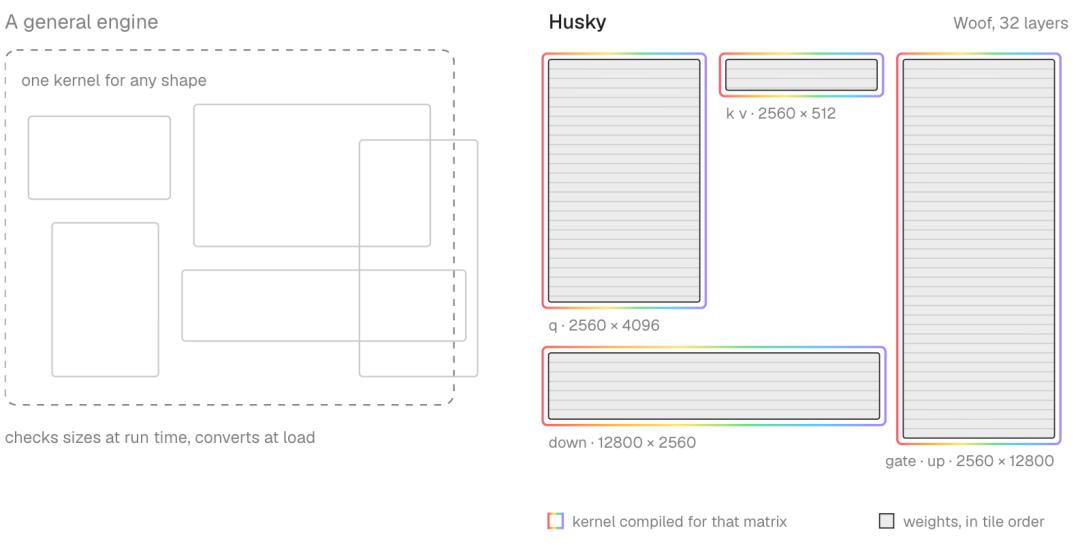
Sigil Wen said that, compared with similar engines that run directly on devices, Husky transfers less data between the main processor and the graphics processor.
Besides its technical advantages, Underdog also has an unusual plan for making money in its early stages.
Sigil Wen said Underdog would be free at first and would never show advertisements. One way the company plans to earn money is by taking a small commission on each transaction completed by the AI assistant through Stripe's secure payment system. This is similar to the fees banks receive when people pay with bank cards. Under this business model, the AI assistant does not need to collect or analyze users' data to make money.
This approach is very different from that of many other personal AI assistant companies. These companies generally collect user data and then sell it to advertisers or use it to train other AI models.
03. A self-taught university dropout born after 2000 who entered the circle of leading AI experts
The company has not revealed the exact amount of money it raised, but Conway Research has attracted an impressive group of investors.
They include a16z, a leading Silicon Valley venture capital firm, and Anthology, an investment group made up of Anthropic and Menlo Ventures. The investors also include several well-known figures in AI.
They include Patrick Collison, co-founder of Stripe; Guillermo Rauch, founder of Vercel; Noam Brown, an OpenAI researcher known as the “Father of AI Reasoning”; Roon, a well-known OpenAI researcher; Thom Wolf, co-founder of Hugging Face; and Logan Kilpatrick, a senior product manager at Google DeepMind, among others.
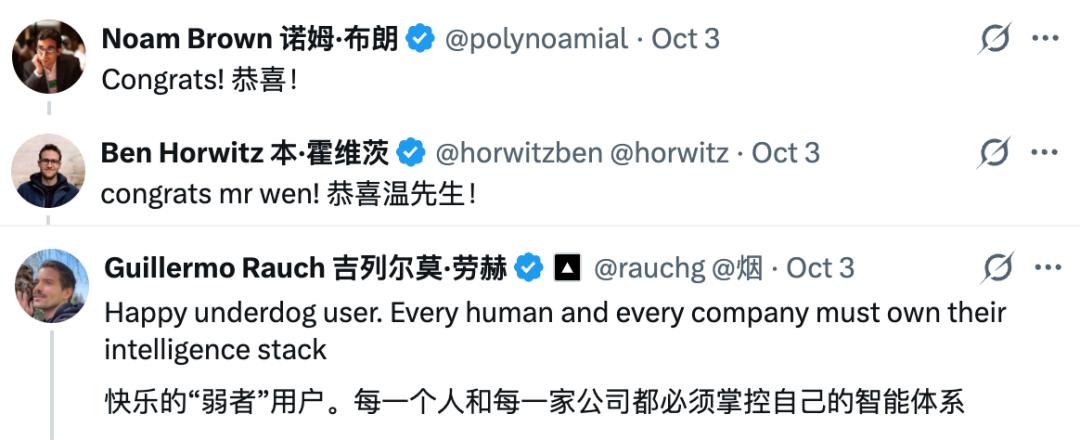
In the comments on Sigil Wen's post, a16z's co-founder, Vercel's founder, Brown, and others could be seen congratulating him.
This strong support may be closely connected to the unusual background of founder Sigil Wen.
According to his personal website, Sigil Wen was born in 2003 and left the University of Pennsylvania before completing its dual-degree program in Management and Technology.
After moving to Silicon Valley alone at age 17, he lived and spent time with founders of several AI startups that have since become highly valued companies. He also gained early access to prototypes of products such as Midjourney and Claude.
He spent 11 months living in a shared home for makers in Silicon Valley. His roommates included Andrej Karpathy, an OpenAI co-founder and leading AI expert; David Holz, founder of Midjourney; Ben Mann, co-founder of Anthropic; and researchers from companies such as Stable Diffusion, OpenAI, and Perplexity.
From 2023 onward, several AI projects developed by Sigil Wen attracted widespread attention on X.
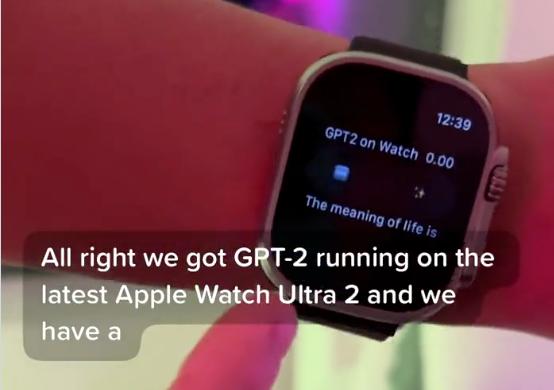
In September 2023, Sigil Wen successfully ran GPT-2 on an Apple Watch, allowing the watch to generate text directly. However, the model ran out of memory after generating 30 tokens. Later, he also put OpenAI's speech recognition model, Whisper, on the iPhone for Airchat.
Conway Research first appeared in February this year. Sigil Wen said his team had built the first AI Automaton that could keep itself running, improve itself, and make copies of itself without human help. At the time, he declared that a form of superintelligent life for Web 4.0 had been born.
Automaton can independently develop and launch products, trade in prediction markets, register domain names, deploy applications and services on servers, create viral social media content to promote products, email suppliers to build e-commerce channels, and contact companies