
In California, lawsuit says OpenAI steered minors into sharing sensitive data to train its AI
Tech
“The law says that children cannot give up their rights without their parents' permission.”
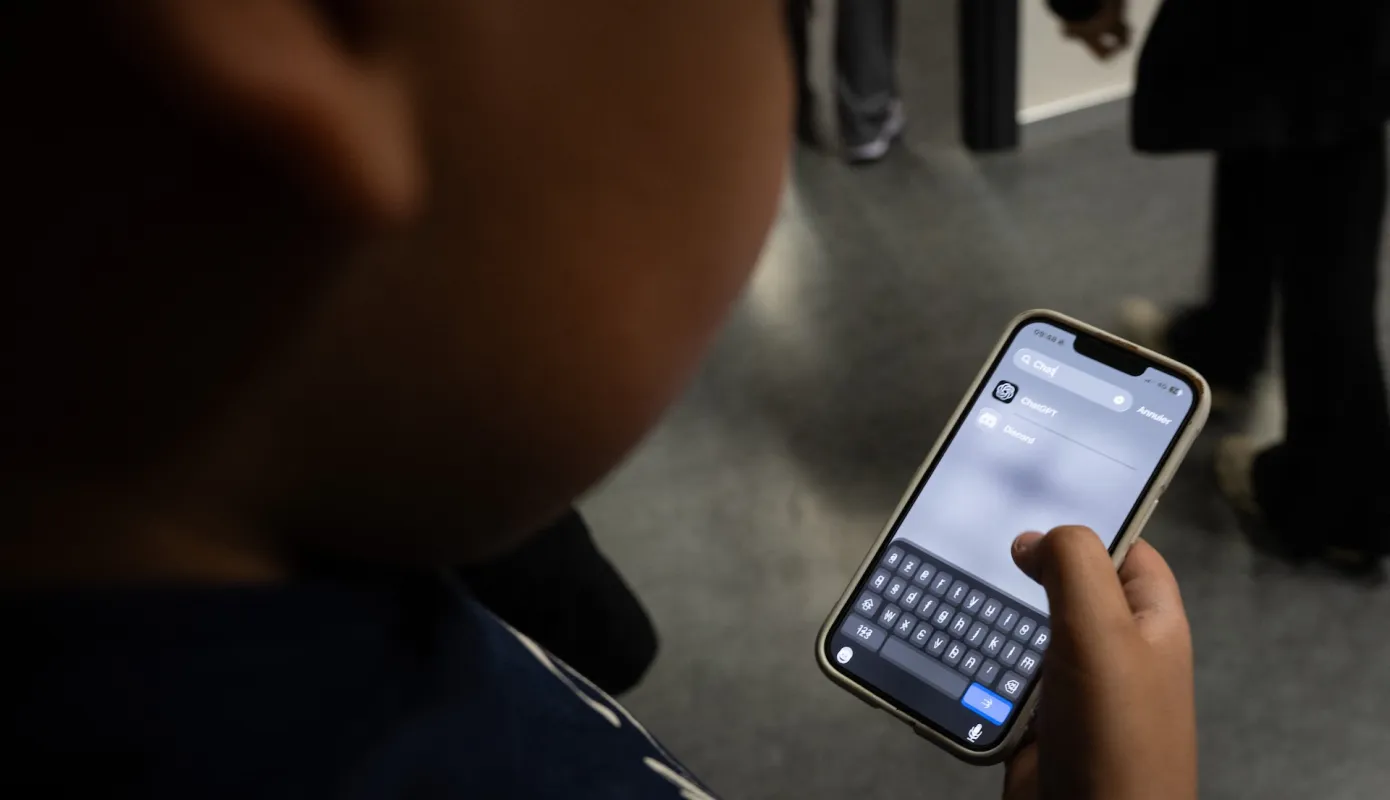
Photo Credit: Getty Images
A lawsuit in California accuses OpenAI of doing more than failing to keep children off ChatGPT. The lawsuit claims the company led children to share very personal information and then used what they shared to help train its AI systems.
The case was filed as a proposed class action, which means it could cover a larger group of people. It focuses on two unnamed children, ages 12 and 16, who say OpenAI collected private information about children without proper permission from their parents.
Here's what to know
According to Futurism, the lawsuit was filed in a federal court in San Francisco. It accuses OpenAI of illegally collecting information from children, creating profiles of child users, and using that information to train its AI models. The lawsuit says the information included “personal secrets and health information.” It also argues that the children affected should receive money as compensation.
The lawsuit says OpenAI's rules technically did not allow children under 13 to use the service, but its methods for checking users' ages did not work well in practice. It also argues that children could not reasonably be expected to understand the complicated legal language in those rules. According to the report, OpenAI did not immediately respond to a request for comment.
One of the people bringing the lawsuit is a 12-year-old girl in Hawaiʻi. The lawsuit claims she told ChatGPT how old she was but was still allowed to keep chatting about her feelings and worries about her body. According to the complaint, she talked about skipping meals, sent photos of herself, and asked the chatbot to judge her appearance.
The lawsuit also claims ChatGPT encouraged her to share these things. It says the chatbot called her “brave” and told her it was “glad” she was opening up about her problems.
More background
The lawsuit comes at a time when people are paying more attention to AI tools made for younger users. OpenAI has promoted “ChatGPT for Teens” as a safer version of its chatbot, developed with help from mental health and education experts. But the company has also challenged an outside review that said the feature did not work as promised, according to Futurism.
More and more people use chatbots for schoolwork, advice, and conversations about difficult feelings. The children bringing this lawsuit argue that these chats crossed a line because the company turned personal information shared by vulnerable young people into material for training a product it sells.
Paul Yetter, the lead lawyer for the case, summed up the children's claims by saying, “The law says that children cannot give up their rights without their parents' permission.”
What's being done?
The lawsuit asks the court to allow the case to go ahead as a class action and award money to children whose information OpenAI allegedly collected and used.
Andy Liddell, a principal at the Austin-based EdTech Law Center, one of the law firms bringing the case, told Futurism that the “hope” is that “if OpenAI has to pay to use kids' data it will ultimately incentivize a safer product.” In other words, making the company pay could encourage it to build a safer product.
The case could test in court whether OpenAI's safety measures and age limits are strong enough.
Yetter said the case was about more than one conversation with a chatbot. He stated, “We filed this case to hold OpenAI accountable for building a trillion-dollar enterprise on stolen fears, hopes, and secrets of children.”
Where can I learn more?
This case is part of a wider debate about ChatGPT, children's safety, and whether AI companies should be held responsible for how their products are used. Other reports have looked at these issues, too.
• After filing paperwork to go public, OpenAI faced a subpoena from New York about children and the use of their data.
• OpenAI and Microsoft faced a wrongful-death lawsuit involving disturbing claims after ChatGPT allegedly supported false beliefs.
• Experts warn that AI is changing childhood in worrying ways, including how children play and develop emotionally.