
Japanese Actor Union Announces Generative AI Guidelines for Voice... Pushing for Legislation - Gamemeca

Nipponainei, an association of actors and voice actors working in Japan, has announced guidelines for using voices to protect their rights and interests before new laws are passed.
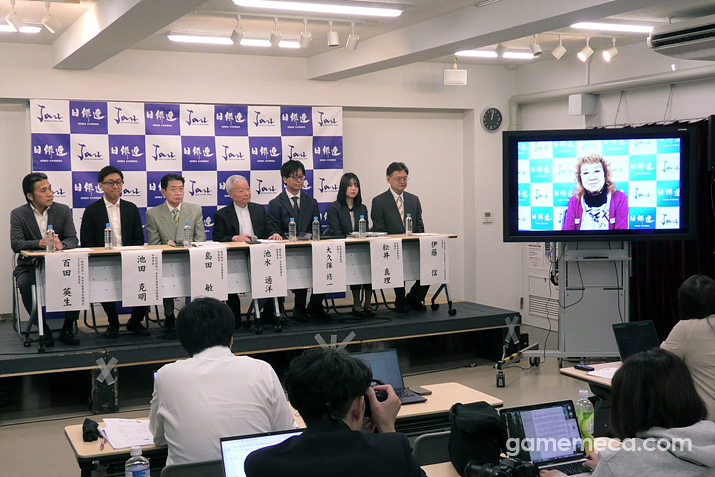
On the 15th, Nipponainei officially announced its guidelines for using generative AI with voices. The group revealed the guidelines at a press conference held at Tokyo Geinokadensha. They are meant to protect the rights and dignity of actors and voice actors as AI technology develops quickly. They also aim to give companies, including production studios and developers, clear rules for using the technology safely in their businesses.
Japan has laws that protect a person's appearance, including their face, through portrait rights. However, the country does not yet have a law specifically protecting human voices. As a result, more cases are being reported in which voices are copied without permission and AI dubbing technology is used to collect, train on, and use real voice actors' audio recordings without their approval.
The new guidelines contain four main tasks designed to reduce harm to both people who provide voices and those who use them. Nipponainei explained why it introduced the guidelines: "Waiting for the government to create laws is too late. We need voluntary rules that ensure transparency and fairness so that actors, voice actors, production companies, and platforms can do business with confidence."
Under the guidelines, anyone using a person's voice must explain how it will be used and get permission in advance at every stage, from training AI and generating voices to publishing and using them. The guidelines also treat the use of AI-generated voices as a new form of voice acting service. Users must pay fair compensation for this service. By licensing AI-generated voices and using them to earn money, voice providers can receive payments when AI uses their voices and continue to earn income from their work.
The guidelines also explain what to consider when using AI to translate an original performance and create dubbed voices in other languages, such as English, Chinese, and Spanish. These rules aim to protect the artistic identity of a performance by preventing small changes in meaning or tone during translation and stopping voices from being used without permission in overseas regions not covered by a contract. In particular, creating versions in other languages requires separate consent and additional payments. This can help businesses develop legal ways to use the original voice actors' voices when adapting content for overseas audiences.
Finally, the guidelines set ethical rules for using AI to recreate the voices of actors and voice actors who have died. As much as possible, the process must respect what the person wanted while they were alive. Strict permission must also be obtained from family members or managers who have inherited the rights. These rules aim to prevent companies from exploiting the deceased for profit or treating them disrespectfully. They also provide ethical safeguards for preserving the historical value of their work.
Nipponainei also stated, "We plan to do more than make these guidelines industry rules. We will also step up efforts to urge the government and related organizations to create laws that protect voice rights."