
OpenAI enters humanoid robot race as Altman teases demo for 2027
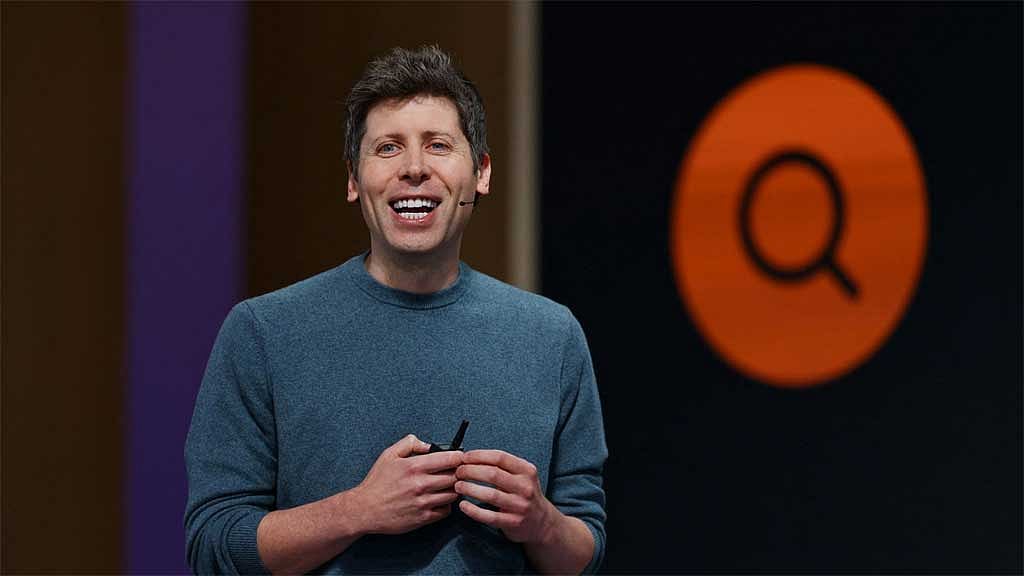
OpenAI CEO Sam Altman gives a keynote speech at OpenAI's yearly DevDay event in San Francisco, California, US, on September 29, 2026. REUTERS/Carlos Barria
Published: 20 Oct 2026, 02:47 PM
Updated: 20 Oct 2026, 02:47 PM
OpenAI is building a human-shaped robot, and CEO Sam Altman has suggested that the company could show it to the public as early as 2027, India Today reports.
Altman confirmed the plans during appearances on the Sources podcast and in comments to Fortune magazine. He said a robot shaped like a human made sense because the world is built for people. “The world is very much designed for people,” he said. “Matching that form factor seems good.”
However, Altman warned that progress would take time. “I think we’ll have a cool demo in 2027,” he said. He added that human-shaped robots were unlikely to become a common sight on the streets for several more years, India Today reported.
The OpenAI CEO did not reveal details about the robot's physical design. He said that was “less important than really figuring out the brain that makes the robot work.” He was referring to the AI models that use information from sensors and cameras to plan movements and control what the robot does.
OpenAI reportedly opened a special lab for human-shaped robots last year. The company currently has 27 open jobs in robotics, covering areas such as controlling movement, managing the robot's overall behaviour, and making hardware in large numbers.
The announcement comes as competition to build human-shaped robots grows, especially among Chinese companies. Unitree has set new records for robot sprinting, while Xpeng recently showed its IRON humanoid robot walking off a production line under its own power. Tesla has also been developing its Optimus robot for years.
OpenAI's move into robotics builds on its earlier Dactyl research project. In that project, the company trained a robotic hand in a simulated environment to handle real objects, including solving a Rubik's Cube.