
OpenAI is building its own humanoid robots, with Sam Altman targeting a first demonstration in 2027
Sam Altman confirms that OpenAI is building human-shaped robots and plans to show an impressive example in 2027. The company is hiring hardware experts to develop robots for factories and data centers, but it has not yet shown a design or announced when the robots might go on sale.
OpenAI wants to take artificial intelligence out of computer screens and into the real world. CEO Sam Altman has confirmed that the company is developing its own human-shaped robots. It hopes to show an early version as soon as 2027.
The first robots are expected to focus on industrial jobs, including work in factories and data centers. In the future, the company has a much bigger goal: robots that can help people with everyday jobs at home.
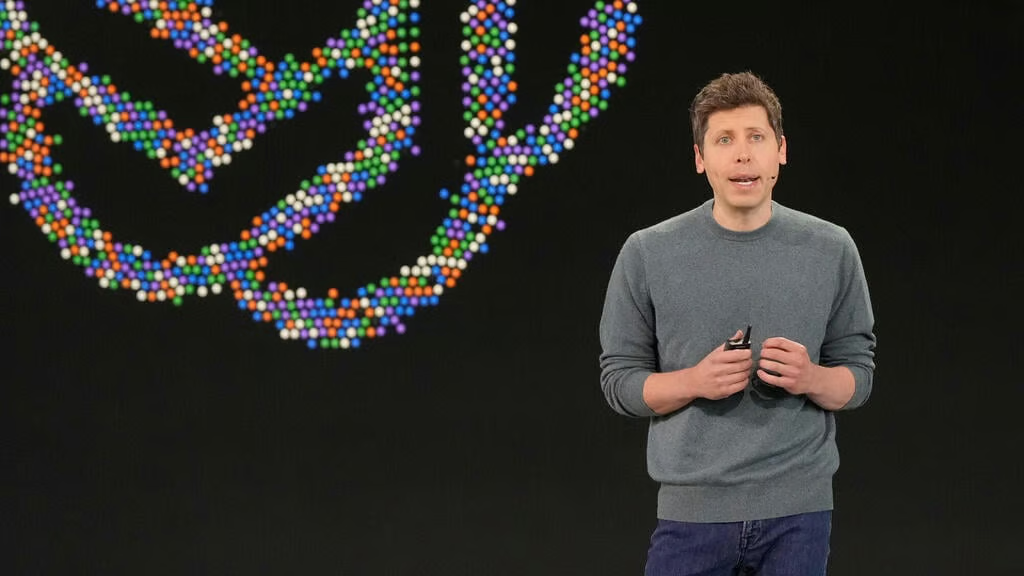
Altman confirmed OpenAI's plans for robots during a conversation with journalist Alex Heath on the Sources podcast. In a separate interview with Fortune, he also talked about when the company hopes to show one.
"I think we'll have a cool demo in 2027," Altman said. "I don't think there will be robots walking the streets for a few years longer, but we'll have something impressive."
This announcement is another step in OpenAI's effort to move beyond the AI models and digital services that have made it one of the world's best-known technology companies. But building robots is much harder than making software. It also requires experts in hardware, mechanical engineering and manufacturing.
One of the biggest challenges in building robots is creating the intelligence that controls them. A chatbot receives a question and produces an answer. But a robot working in the real world must move through places where things can change at any moment.
It must recognize objects, understand where they are, make decisions quickly and turn those decisions into accurate movements. It must do all this while keeping the people around it safe.
There is also a clear reason for building robots that look like people. Most places where people live and work are designed for human bodies. This includes stairs, doorways, hallways and everyday tools. In theory, a robot built like a person could use these spaces without needing many changes.
According to reports, OpenAI plans to start by using robots for work related to building facilities and running data centers. Over time, the company hopes to create more flexible robots that can do many different jobs outside factories and other industrial settings.
OpenAI has not yet shown what its robots will look like, exactly what they will be able to do or when they might be made for sale. The 2027 goal is to show a prototype, not to launch a product that customers can buy.
This is not OpenAI's first attempt at robotics. The company previously had a team that researched robots, but later shut the team down. In recent years, it has returned to this field, apparently with bigger goals.
In January 2025, TechCrunch reported that OpenAI planned to develop its own robots, including special sensors and hardware parts. Job advertisements from the company also suggested that it wanted to build robots that could adjust to changing tasks and surroundings, rather than simply repeat one set of actions.
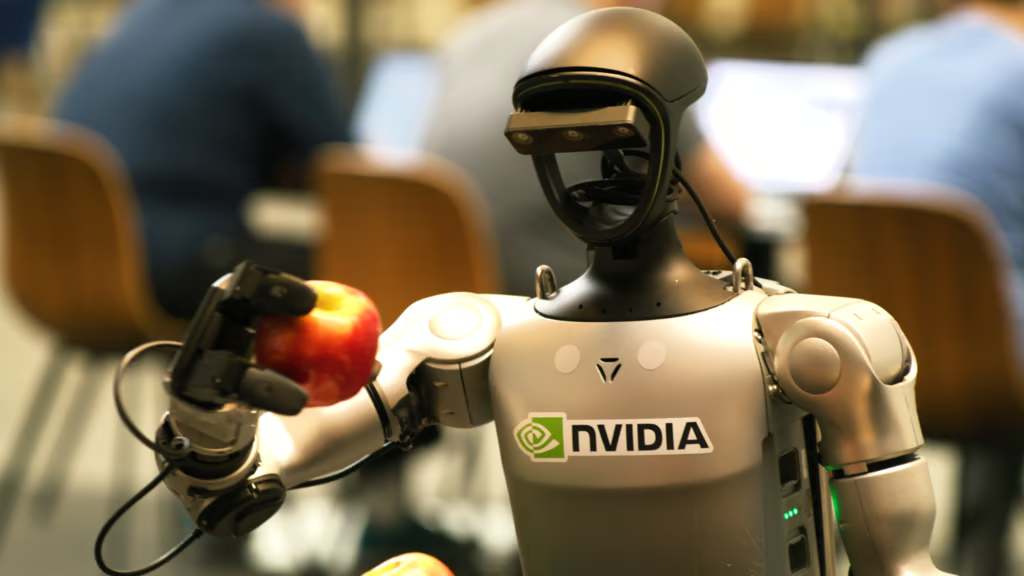
A robot developed with Nvidia, shown at an Nvidia event
OpenAI's careers website now lists jobs in mechanical engineering, control systems, electronics and safety. The company is looking for engineers who can develop motors and actuators. These parts turn computer commands into physical movement.
These hiring plans suggest that OpenAI wants to do more than create the AI models that control robots. It is also investing in the physical parts needed to build them.
In theory, this approach would let the company develop the hardware and software together, making each work well with the other. That would mean relying less on robots made by other companies.
OpenAI has already done important work in robotics. In 2018, it introduced Dactyl, an AI system trained to control a robot hand and make careful movements, such as picking up and turning objects.
A year later, the company showed an even more impressive result: a robot hand that could solve a Rubik's Cube.
The key advance was how the system learned. Instead of teaching the robot through huge numbers of physical tests, researchers trained the AI in computer simulations first. They then transferred what it had learned to a real robot hand.
This experiment showed that AI could learn complicated movements without physically trying every possible situation. However, moving from a robot hand that performs one specific task to a human-shaped robot that can work on its own in unpredictable surroundings is a huge challenge.
OpenAI is entering a market that already attracts huge investments and strong competition. In recent years, human-shaped robots have become one of the technology industry's most closely watched developments. Companies are racing to turn advances in AI into machines that can do physical work.
One of the best-known competitors is Tesla, led by Elon Musk. The company has spent years developing its human-shaped Optimus robot. Tesla plans to use these robots in factories first and may eventually use them for household jobs.
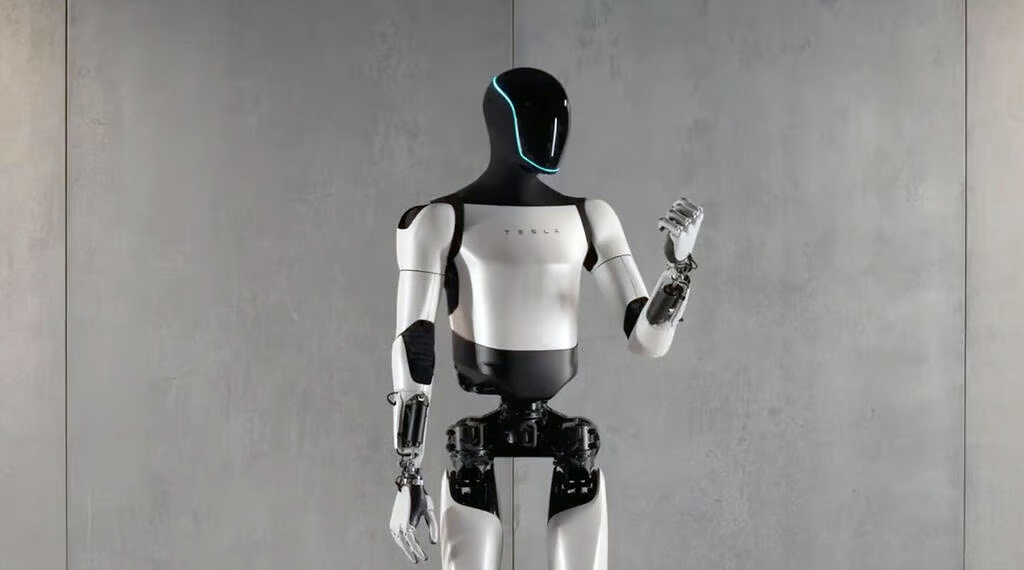
Tesla's human-shaped Optimus robot
(Photo: Tesla)
Another major company in this field is Figure, an American company. In September 2025, it raised more than $1 billion at a company value of $39 billion to support the continued development of human-shaped robots.
Interestingly, OpenAI has already taken part in the robotics industry through investments and partnerships with companies such as Figure and 1X. By developing its own robots, OpenAI could eventually compete with some of the companies it has worked with in the past.
The biggest challenge is not just building a robot that can walk, pick things up or put on an impressive show. To become a useful product that can be sold, a human-shaped robot must work on its own, perform tasks reliably for hours, deal with unexpected changes and breakdowns, and, above all, work safely alongside people.
For now, OpenAI has not publicly shown a working human-shaped robot or promised a date for its commercial launch. If Altman meets his stated goal, 2027 could give the public its first clear look at how the company plans to bring AI out of the digital world and into everyday physical life.