
HUDS Expands Artificial Intelligence System to Reduce Food Waste | The Harvard Crimson
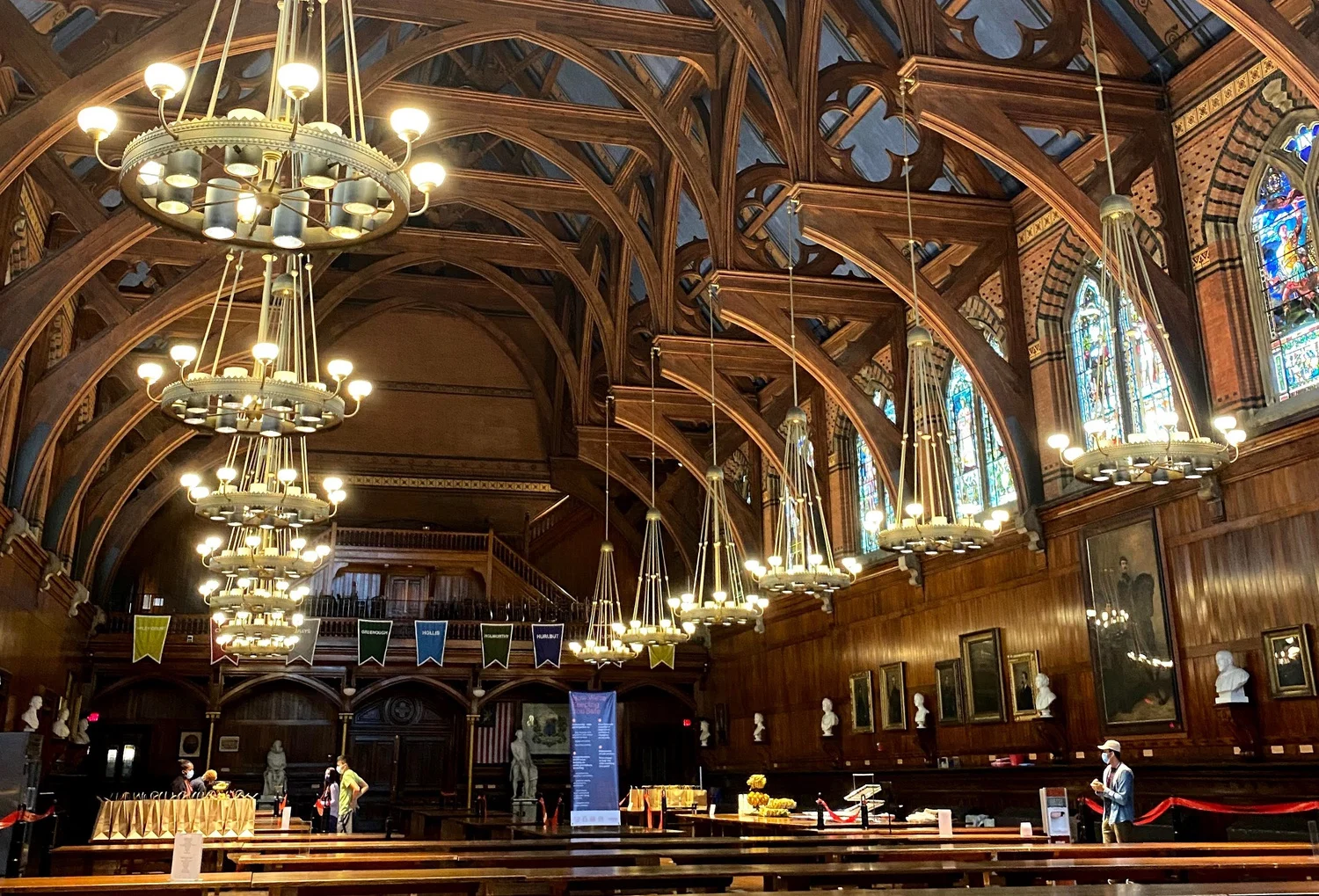
Harvard University Dining Services (HUDS) has finished installing Winnow, an artificial intelligence system that tracks and sorts food waste, in all of Harvard’s residential dining halls and Annenberg.
HUDS began bringing the technology to dining halls last spring, after testing it in a pilot program the previous fall. By September, Winnow had helped reduce food waste by 23,500 pounds, according to a report shared by the company.
The system uses a scale and a camera mounted above it to weigh and photograph food scraps. It then identifies each type of food using information from HUDS’ weekly menus. The program creates daily and weekly reports showing which foods each dining hall throws away the most, measured by both amount and cost.
The reports give managers at each dining hall a quick view of which menu items produce the most waste, said Gina Sears, a development manager at Winnow.
“The chefs can kind of make decisions on the fly the next day,” she added.
The technology has already led to changes in the dining halls. In its yearly Learning Report, released earlier this month, HUDS said chefs started cooking eggs in smaller batches after learning that they were throwing away an average of 11.5 pounds of eggs each day. This change brought daily egg waste down to 3.1 pounds.
Sears said Winnow representatives also meet regularly with each dining hall’s head chef and HUDS’ director of culinary operations to look for larger patterns in the data.
With data and advice from Winnow, HUDS changed its menu schedule over the summer from a four-week cycle to a three-week cycle. This meant serving popular dishes more often and offering less of foods that fewer people wanted.
After this change, the average amount of food wasted per meal dropped by 31 percent, from 2.12 ounces to 1.46 ounces for each meal swipe, according to Winnow’s report.
“Every meal swipe that a certain dining hall or House receives for service during that day, we focus on, what is the normalized amount of waste? So, per swipe, how much are we wasting?” Sears said.
HUDS’ use of this AI technology is part of its latest work to make Harvard’s dining halls more environmentally friendly. Last year, the dining halls completely replaced single-use, compostable takeout containers with 4,255 reusable plastic containers that students can borrow. In September, the Green Restaurant Association named Harvard North America’s “greenest university” for the third year in a row.
“HUDS is making meaningful contributions to campus waste reduction through initiatives like the Reusable Container Program and Winnow,” Courtney Forrester, Harvard’s waste reduction and compliance lead, wrote in a statement.
“Both programs align with the goals of Harvard’s Waste Stewardship Framework and demonstrate how waste reduction efforts can also deliver operational cost savings,” she added.
However, some students said that reducing food waste also means students need to change their own eating habits.
“I think it’s important to don’t take more than you can actually eat. If you want, you can always go back for more,” Alicia Y. Li ’30 said.
“That’s something that needs to fundamentally change in our student body, rather than only putting it as the responsibility of the HUDS workers to try and mediate a problem that we are, in effect, causing ourselves,” she added.
Want to keep up with breaking news? Subscribe to our email newsletter
Have a tip for The Crimson? Share it confidentially