
The $45 Million Brain-Cancer Gamble: OpenAI and Peter Thiel Just Backed an Implant That Fights Tumors
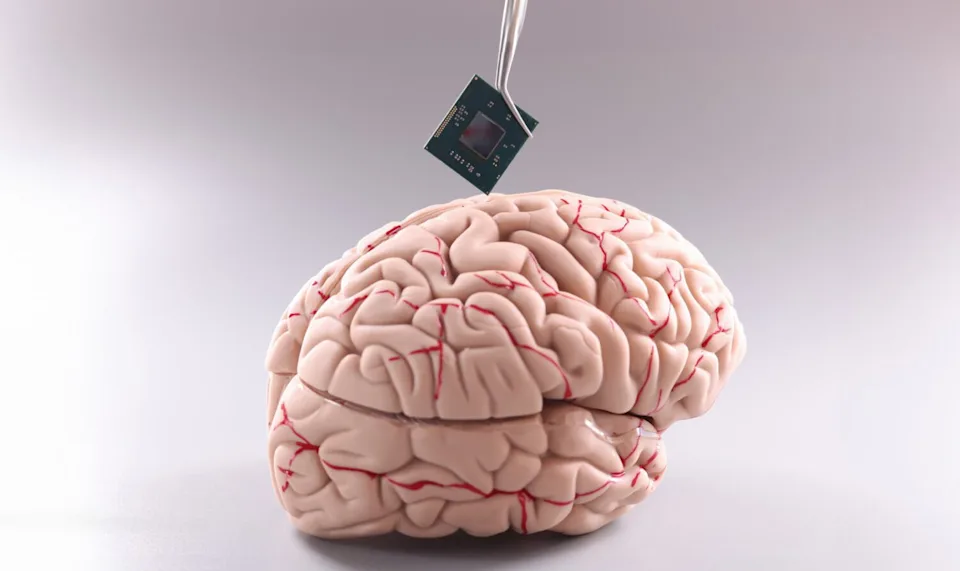
Coherence Neuro has raised $45 million to develop an experimental implant that can detect brain tumors and send electrical signals to them. The OpenAI Startup Fund and Peter Thiel's Founders Fund led the funding round. The company is targeting glioblastoma, one of the most aggressive types of brain cancer known to medicine.
What SOMA Actually Does
The idea is to make an implant that can detect signals from tumors and send signals back to them. But this is still a theory that needs testing.
The SOMA device is designed to record electrical signals linked to a tumor and then send targeted electrical signals intended to slow or stop its growth. The implant works with a removable device worn over the ear and an app. The app provides data in real time and lets users track symptoms and past treatments.
Coherence says its AI models were trained using recordings from animal studies. The company claims these models can predict whether a tumor is growing, shrinking, or coming back. Large studies involving people have not yet confirmed this claim.
Coherence calls the funding round a Series A. WIRED describes it as a seed round instead. Other investors include Lux Capital, 8VC, and Matthew MacDougall, the head neurosurgeon at Neuralink, among others.
Where the Science Actually Stands
Three patients have had the implant tested during surgery, for about 30 minutes each. Keeping it in place for longer periods still requires much more research.
According to WIRED, Coherence briefly placed its recording implant in three patients during surgery to remove tumors at Royal Melbourne Hospital. The device stayed in place for about 30 minutes before doctors removed it. WIRED also reports that tests involving recording and electrical stimulation were carried out or planned for another seven patients. However, it has not been confirmed that all seven patients completed these tests.
Treatment using electric fields is already approved by the FDA for glioblastoma. However, this approval applies to existing technologies. It does not prove that SOMA is safe or effective. Coherence plans to begin its first human trial involving a long-term implant and apply for the FDA's breakthrough-device designation. It has not yet reached either goal.
Co-founder Ben Woodington described a "growing synergy" between major AI research labs and companies working to understand brain activity, according to WIRED. However, strong interest from investors does not prove that a treatment works in patients.
The Broader Field
OpenAI is investing in more than one type of brain-computer interface.
OpenAI has also backed Merge Labs, which is developing brain-computer interface technology that does not require an implant. Founders Fund has invested in both Coherence and Neuralink. Synchron is another company working in the same general field, using a less invasive approach.
Coherence plans to use its new funding to pursue a long-term implant trial and seek FDA breakthrough-device designation. Until these efforts produce results, SOMA remains an experimental technology backed by major investors, with a treatment approach that has not yet been proven to work.