
AFM launches 'Human Made, Human Paid' AI Music Campaign
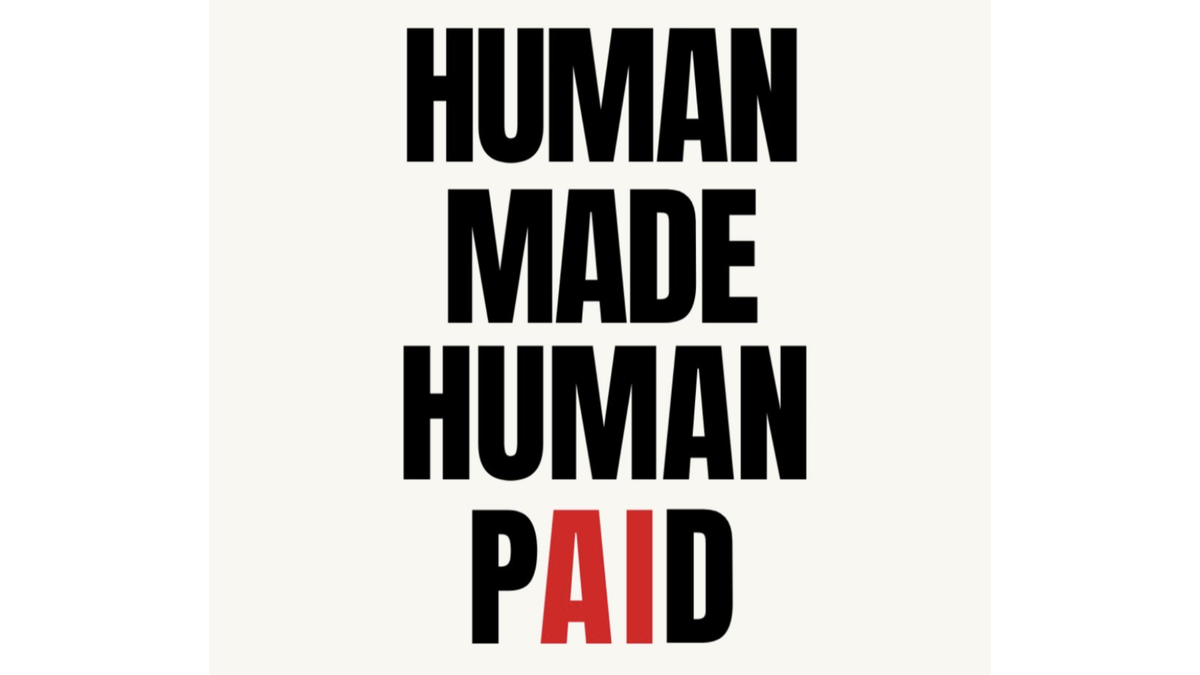
The American Federation of Musicians (AFM) has launched "Human Made, Human Paid," a nationwide public campaign. Its goal is to pressure major record labels to protect singers and instrumentalists from having their work used by artificial intelligence (AI) without permission.
The campaign was announced just weeks before the union resumes talks with Universal Music Group, Sony Music Entertainment, Warner Music Group, and Disney's Hollywood Records. The talks concern the Sound Recording Labor Agreement (SRLA). The campaign makes clear that AI technology must respect the work of human musicians.
Key Takeaways: What Is 'Human Made, Human Paid'?
- Who: The American Federation of Musicians, which represents more than 80,000 professional musicians across the United States and Canada.
- Target: Major record labels that are negotiating a new industry-wide Sound Recording Labor Agreement (SRLA).
- Main demands: Musicians must give Consent, receive clear Credit, and get Compensation whenever commercial recordings are licensed to or used by generative AI systems.
- Public action: The campaign includes public relations efforts and a petition at humanmadehumanpaid.com. It aims to bring musicians, music industry workers, and consumers together to support its goals.
Three Main Principles: Consent, Credit, and Compensation
The AFM says record labels should not make money by licensing their existing music collections to commercial AI companies while leaving out the session musicians and performers who created those recordings.
UMG, Sony, and WMG could each earn billions of dollars from deals and legal settlements involving Suno, ChatPT, Anthropic, and other AI companies.
The campaign sets out three main demands:
- Consent: Musicians must have the clear right to approve or reject the use of their recorded performances to train generative AI systems or create artificial copies of their voices or instruments.
- Credit: Musicians must receive clear, complete credit whenever recordings featuring union members are used as training data or inputs for AI models.
- Compensation: Musicians must receive a direct share of the money from revenue, licensing fees, and ongoing royalties whenever record companies make money from their music collections through partnerships with AI developers.
"Record labels cannot keep profits made from human artistic work while leaving working musicians out," said AFM International President Tino Gagliardi.
Labor Talks Meet AI Lawsuits
The timing of the AFM campaign is planned. Talks on the Sound Recording Labor Agreement, which sets the rules for recording sessions for major record labels, are scheduled to resume on November 3.
The campaign also follows a federal lawsuit filed by the AFM against labels linked to Universal and Warner. In the lawsuit, the union claims that the major labels broke existing labor agreements by making licensing arrangements and discussing settlements with generative AI music platforms such as Suno and Udio without paying musicians the required fees for these "new uses" of their recordings.
The record companies say their older union contracts did not cover generative AI models that learn from existing material. The AFM argues that the contracts' protections for "new uses" have applied through earlier technology changes, from vinyl records to streaming, and should apply to AI as well.
Supporting People, Not Fighting Technology
Union leaders and members have stressed that the campaign does not aim to ban machine learning or stop new creative software from being developed.
"We support human creators and fair pay for our work," said composer, producer, and AFM member Will Wells. "We don't want to stop technology from moving forward. We just want to make sure people can build lasting careers and that music makers have a real way to earn a living in the future."
By building public support before the negotiations, the AFM is following a strategy used by the Writers Guild and SAG-AFTRA in their fights with film and television studios. The aim is to turn private contract talks into a wider public debate about whether human creators should be paid when technology is trained on their work.
Hypebot's Bottom Line
Over the past two years, major record labels have strongly defended their copyrights against generative AI startups. They have filed major lawsuits over claims of copyright infringement and argued that AI companies must pay to train their models on recorded music.
Now, the AFM is asking the labels to apply that same argument to musicians.
The union argues that major labels cannot reasonably insist that technology companies pay licensing fees to use music as training data while also claiming that the session musicians, arrangers, and instrumentalists whose work appears in those recordings should receive none of the money earned from AI deals.
As SRLA negotiations begin again in November, "Human Made, Human Paid" sets a clear rule: if record labels make money from AI deals involving their music collections, the people who played the instruments must also get paid.