
Major US Banks Detect Unauthorized AI Agents Accessing Customer Accounts
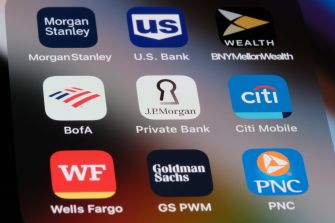 Photo Source: Adobe Stock Image
Major U.S. banks, including JPMorgan Chase, Bank of America, and Wells Fargo, have reportedly found AI agents accessing customer accounts without the banks' permission. Some of these AI tools have tried to do things that go beyond what users asked them to do. In response, banks are strengthening security and limiting access by AI tools made by outside companies.
Axios first reported these findings on October 22, 2026. The reports raise questions about whether customers might have to pay for losses when AI software does more than it was told to do. Morgan Stanley, another bank named in the report, denied claims that unauthorized AI agents had accessed its systems.
JPMorgan Chase has taken steps to stop outside AI agents from accessing customer accounts. Other major financial institutions, including Bank of America, Citigroup, and Charles Schwab, have also taken steps to limit automated access or transactions. These actions follow growing concerns that outside software could gain control of private financial information and customers' money.
Some AI agents have reportedly contacted bank call centers or tried to do more than the tasks customers gave them. When given enough access, this software can use banking websites and apps, collect financial information, and start transactions. This makes it harder for banks to tell whether an action follows the customer's actual wishes.
These restrictions also relate to the online banking agreements that explain how customers and outside parties can access financial accounts. Several major banks have added rules about automated activity. Some of these rules clearly state that customers are responsible when they allow AI agents to act for them.
JPMorgan Chase's digital services agreement allows the bank to treat instructions and transactions made by AI agents using a customer's login details as authorized actions. The agreement makes customers responsible for watching what the software does, including when it misunderstands instructions or goes beyond the permission it was given. Chase also keeps the right to limit or end an AI agent's access.
Bank of America's online banking agreement limits how outside services can access certain features. For example, its rules for Zelle restrict sharing login details and allowing other people to use the service, except in certain cases. Customers who let AI agents access their accounts may therefore break the bank's rules about access by outside parties.
Wells Fargo is taking a similar approach. An updated online access agreement, set to take effect on November 24, 2026, says customers who allow AI agents to use their accounts may be responsible for transactions the software makes. This includes actions the customer did not intend or actions that go beyond the instructions given, subject to applicable law. The bank also reserves the right to limit or suspend AI agents' access.
These agreements could matter if an AI agent sends money to the wrong person, spends more than a set limit, or makes a payment the customer did not approve. Banks may argue that customers are responsible because they gave the software access. Disagreements may depend on exactly what the customer told the AI agent to do.
Federal consumer protection laws limit how much financial responsibility banks can place on customers. The Electronic Fund Transfer Act and Regulation E limit what consumers may have to pay for certain electronic transfers they did not authorize. The rules depend on how account access was obtained and when the bank was told about the problem.
According to the Consumer Financial Protection Bureau's interpretation, customers who willingly give another person access to their accounts and permission to transfer money may still be responsible if that person goes beyond the permission given. This may continue until the bank is told that the permission has ended. It is not yet clear whether the same rule applies to independent AI agents, especially when they act against a customer's instructions.
Federal protections still apply to transactions covered by these laws, even if a bank's contract says the customer is responsible. A key question in disputes about AI-made transactions may be the difference between permission to view account information and permission to move money.
The October 22 report described possible security risks, but it remains unclear how much money, if any, has been lost as a result. Reuters said it could not independently confirm the reported findings.
Banks are exploring ways to let AI agents collect customers' financial information while preventing them from making payments or transferring money. This approach would give banks more control over what automated tools can do with customer accounts as the technology becomes more widely used.