
The Second Wave of Mechatronics: Italy’s Challenge in the Age of Artificial Intelligence
From More Data Centre Orders to Physical AI: From Manufacturing Excellence to Industrial Independence
According to Goldman Sachs, global investment in artificial intelligence (AI) will reach one trillion dollars by the end of the year. In the United States, this investment will rise from 1.8 per cent of gross domestic product (GDP) to 2.8 per cent by 2028. Some of this money has reached Italy through contracts to build data centres. These projects need cables, turbines, electrical systems and cooling equipment.
This news is encouraging, but it raises an important question about Italy's place in the new AI economy. Will Italy be one of the main players, or will it simply supply equipment for platforms that other countries control?
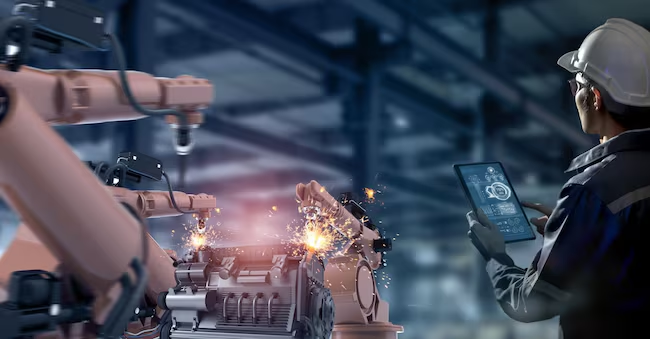
Another opportunity lies in a growing market called 'Physical AI'. This means using artificial intelligence together with the physical world to build machines and systems that can sense their surroundings, make decisions and take action in real working conditions. Strategy&, the strategic consulting firm within the PwC network, estimates that this market could be worth around €430 billion by 2030. Self-driving cars are the best-known example, but Physical AI can also be used in manufacturing, energy, aerospace and defence.
Only a small number of global companies control the development of AI models and semiconductors. But using AI in the physical world requires skills that Italy already has, thanks to its long experience in mechatronics, which combines mechanics, electronics and computing. Today's changes could give this tradition a new purpose and fresh opportunities.
To play an important role, Italy must do more than make excellent products and systems at competitive prices. Above all, it must achieve industrial independence: the ability to control the technologies, infrastructure and rules that guide smart physical systems.
In 1986, Teece showed that the people who invent something do not always earn the most from it. The greatest value may go to those who control the additional resources needed to turn an invention into successful products and services. For Physical AI, these resources include industrial knowledge, control systems, software, real-world operating data, the ability to connect different technologies, and access to customers. Italy already has many of these resources. It should strengthen them and develop them into intelligent systems. To gain industrial independence and manage complete technology and operating platforms, Italy needs to support companies that can lead important parts of supply chains instead of remaining simple suppliers.
Italy's current model relies on specialised, flexible businesses based close to their local communities. This model needs to be reconsidered. The main challenge is no longer just how big a company is or how well it can innovate. It is also about where the company stands in the chain of businesses that create and sell a product. Italian companies can remain excellent manufacturers yet still depend on others that control the overall design and decide how technology develops. Alternatively, they can recognise that the AI boom is creating an opportunity for smarter mechatronics. By investing in new skills and using 'buy and build' strategies, companies can acquire and combine other businesses to create larger, more connected groups. These groups could control important parts of the supply chain, grow faster and compete more strongly.
Two examples show that this approach can work. Avio has moved from supplying components and propulsion systems to managing the Vega C rocket launch service. Mech-I-Tronic has built a group worth €165 million by bringing together companies that specialise in machinery and industrial automation. This has allowed it to combine skills and technologies that work well together.
Strategy& estimates that the next three to five years will be a key period, as the first leading companies establish themselves. The main question is therefore not simply whether the AI boom will bring more orders to Italian manufacturers. It is whether Italian companies can move into stronger positions within global business networks. The first era of mechatronics made Italy skilled at building complex machines and systems. The second could give Italian companies a leading role in managing the smart infrastructure that the new economy will depend on.
The next industrial revolution will not be won just by making production better. It will be won by controlling the technologies that industry needs to work.
(*) Executives and Board Members
Copyright reserved
©