
Will AI Replace Coders? OpenAI CEO Sam Altman Has an Answer
OpenAI CEO Sam Altman says artificial intelligence (AI) might create more jobs for programmers instead of replacing them. He says this even as people worry about AI taking coding jobs and technology companies continue to lay off workers.
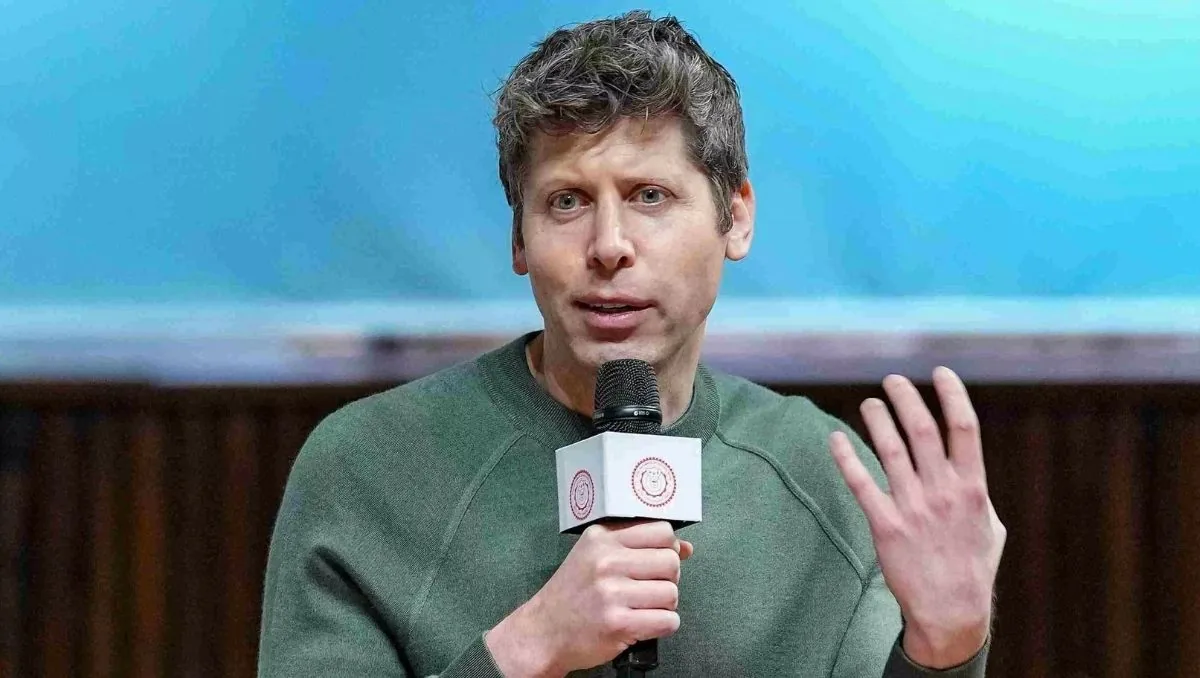
OpenAI CEO Sam Altman believes artificial intelligence will not make programmers unnecessary. He thinks improvements in AI could actually make companies need more people who know how to write computer code. But AI tools are getting better at doing difficult tasks, and big technology companies are laying off workers. This has made more people worried about the future of programming jobs. The big question is whether AI will create enough new jobs to make up for the jobs it might replace.
Why does Sam Altman think companies will still need programmers?
OpenAI CEO Sam Altman thinks people who worry about AI replacing programmers may be forgetting something important: businesses could need much more software in the future. While speaking with podcaster Matthew Berman, Altman said AI could help companies create more products and services. This could mean more work for programmers. His idea is simple: when making software becomes easier, companies may want to spend more money creating it. Programmers could let AI do some parts of their work while they focus on projects that used to take too much time or cost too much money.
Sam Altman explained why AI has not ended coding jobs. He said, "the world actually had demand for just way more software than any of us thought at the time." Companies still need engineers, but the skills they look for are changing. Engineers may spend less time writing code themselves and more time making important decisions, planning how computer systems work, and checking the work done by AI.
— rvivek (@rvivek) October 22, 2026
Could AI also take over mathematics research?
Altman thinks the future of mathematics research is less certain. He said AI might one day solve very difficult math problems and create mathematical proofs, which are detailed explanations showing why a mathematical answer is correct. This could change how mathematicians spend their time. Instead of solving every part of a problem themselves, they might focus on checking AI's answers, explaining why those answers matter, and finding ways to use them. But it is still unclear whether this would create more jobs for mathematicians or mean fewer people are needed for some jobs.
Why are people carefully checking mathematical discoveries made by AI?
Reports about OpenAI's work on the Navier-Stokes problem have made people pay more attention to what AI can do in advanced mathematics. The Navier-Stokes problem involves equations that explain how fluids, such as water and air, move. It is one of seven famous mathematical challenges called the Millennium Prize Problems. Each problem comes with a $1 million prize for anyone who finds a complete solution. When AI appears to make progress on problems this difficult, researchers need to ask important questions. Did AI really discover something new? Did it use ideas from research that already existed? Can other experts check the work and confirm that it is correct? Even when AI produces an impressive mathematical result, experts must carefully test and check it before calling it a proven breakthrough.
Can AI create new jobs while technology companies are laying off workers?
It is difficult to know what will happen to jobs because major technology companies, including Meta, Oracle, Amazon, and Microsoft, are still announcing job cuts in 2026. Companies may lay off workers for different reasons. For example, they may change how their businesses are organized or try to spend less money. This means AI is not necessarily responsible for every job cut. Still, people are worried because technology companies are spending more money on AI while also reducing the number of people they employ. This raises questions about who will actually benefit from AI. Altman may be right that AI will create more work for software developers. But just because AI helps people finish work faster does not mean companies in every industry will hire more workers. Nobody knows yet whether AI will create enough new jobs to make up for the jobs it changes or removes.