
USF receives grant to create AI and cyber makerspace
Leaders at the University of South Florida (USF) believe students learn best by doing things themselves. They think this is especially important when students are learning about new technology.
Last week, USF announced that it received a $2 million grant from the National Institute of Standards and Technology. The money will help the university create a space called the Artificial Intelligence and Cyber Makerspace, where students can learn and experiment with technology.
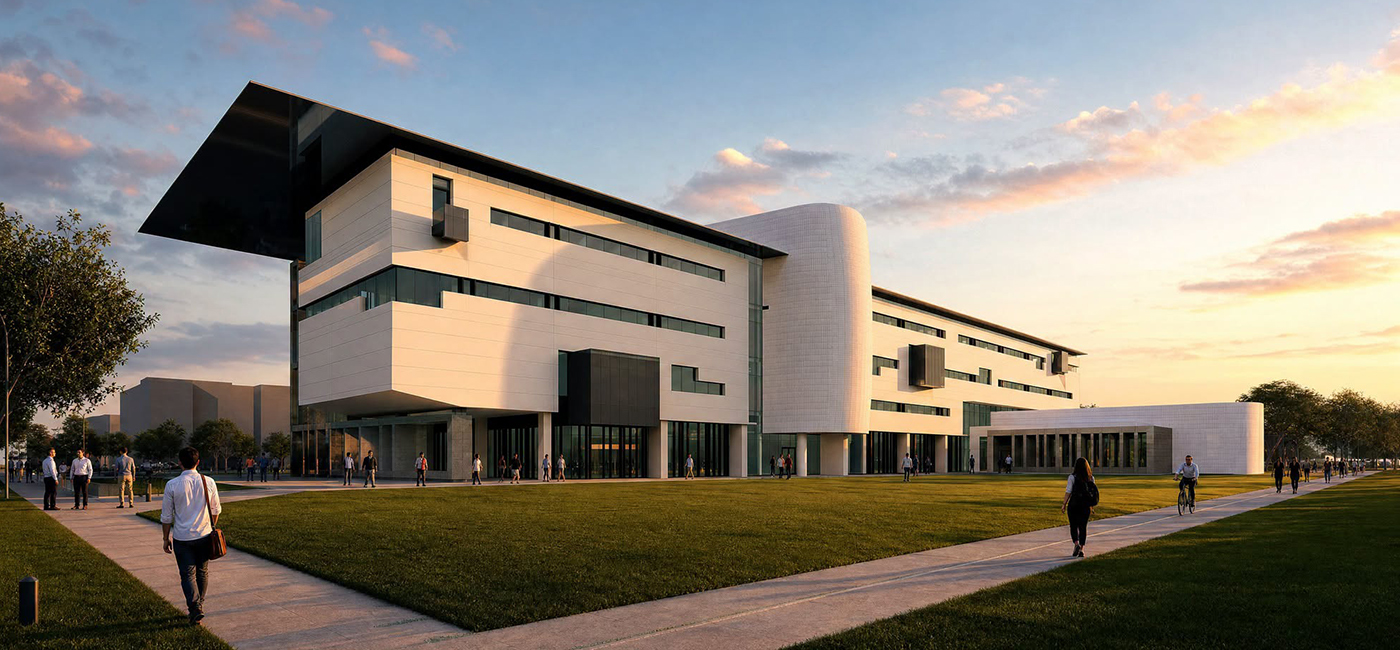
The new space will be inside the future Bellini College of Artificial Intelligence, Cybersecurity and Computing building at USF's Tampa campus. The college was created after Arnie Bellini and his wife, Lauren, gave the university $40 million. Arnie Bellini helped start ConnectWise, a software company based in Tampa. USF has not said when construction of the new building will begin or finish. However, the university is already working on a temporary lab.
“It's a place where students can come and try things out,” said Sudeep Sarkar, the first dean of the Bellini College of Artificial Intelligence, Cybersecurity and Computing. “We want to create a space that can be used for different classes and labs. We've already chosen some classes that could use it, and about 800 students may be able to use the space.”
Sarkar believes that learning by doing will help students become more attractive to employers. It could also help them find more internships and jobs.
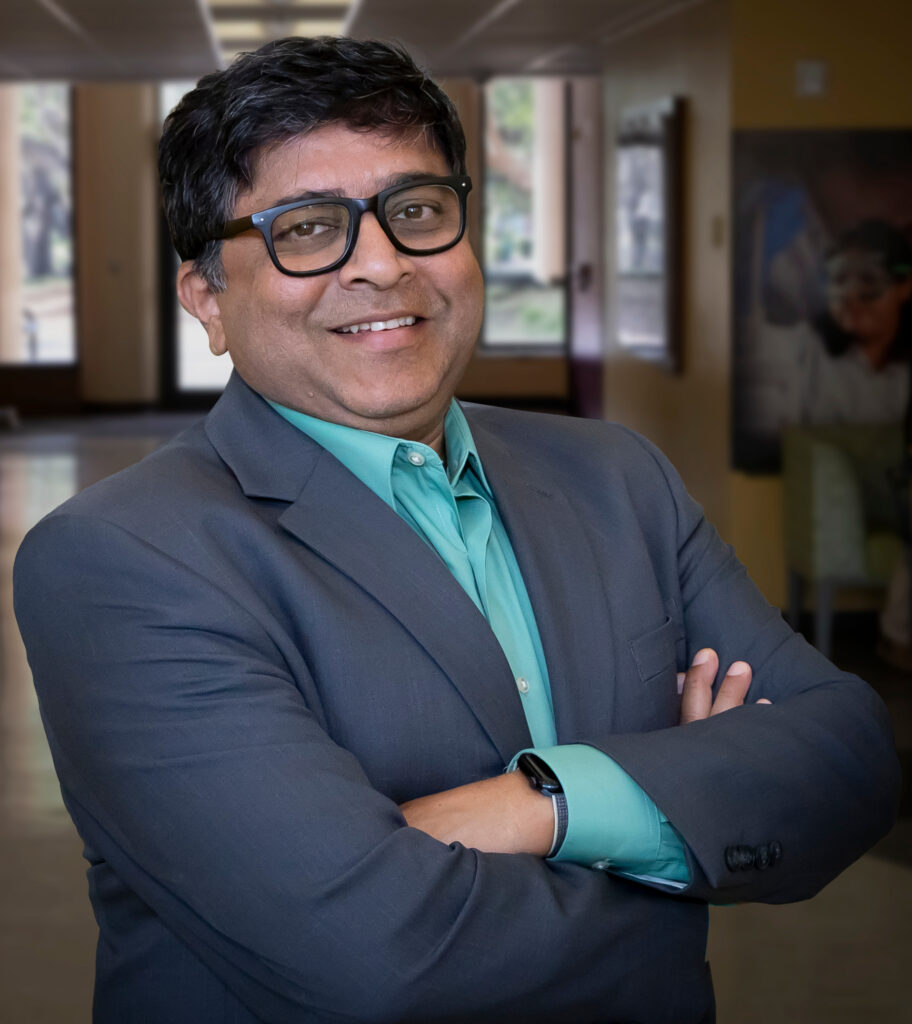
Sudeep Sarkar is the first dean of the Bellini College of Artificial Intelligence, Cybersecurity and Computing. Photo provided.
According to USF's website, the makerspace will help students work with powerful computers, test computer equipment and study how to keep data safe. It will also be used for hands-on lessons about computer networks, computer systems built into devices, designing small computer controllers, studying how hardware and software work by taking them apart, and finding weaknesses that could cause security problems.
For example, Sarkar said students will learn about something called edge AI. This is artificial intelligence that runs directly on physical devices, such as sensors and cameras. Students will learn how to build AI equipment that uses very little electricity and does not need to depend on large, central cloud computing systems.
Students will have many different kinds of equipment to use. USF leaders are now talking with teachers and people who work in technology companies to decide which equipment and products to buy.
“I also hope students will be able to try things out in a safe place,” said Richard Rauscher, an associate professor of instruction at the Bellini College and assistant dean of computing. “I want students to have a chance to experiment with these technologies in a space that's somewhat separated from the outside world.”
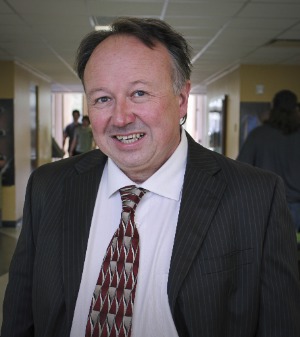
Richard Rauscher is an associate professor of instruction at the Bellini College and the assistant dean of computing. Photo provided.
USF leaders also plan to let businesses and government organizations in the surrounding area use the makerspace. According to USF's website, this will give people working at these organizations a chance to explore what AI can do and learn about possible security dangers.
“AI is not going away,” Sarkar explained. “We can choose to ignore it, or we can learn how to understand and control it so we can use it. I think we need to train workers who know how to handle this technology.”
Rauscher believes AI is changing the world in very important ways. He also said that many people and organizations are now trying to learn more about AI and how to use it.
“We don't know yet whether people and organizations will keep investing in AI at the same level or how that investment might change over time,” he said. “That's why we want to prepare our students for these changes. We want to give them as many useful skills and tools as possible so they can find jobs they enjoy and feel good about.”
Sarkar stressed that today's students will eventually help decide what AI looks like in the future. They will study problems with the technology and work to find ways to solve them.