
Nintendo’s Shigeru Miyamoto Has a Surprisingly Positive Outlook on Generative AI: “We’ll Have Opportunities to Think About What’s Truly Important”
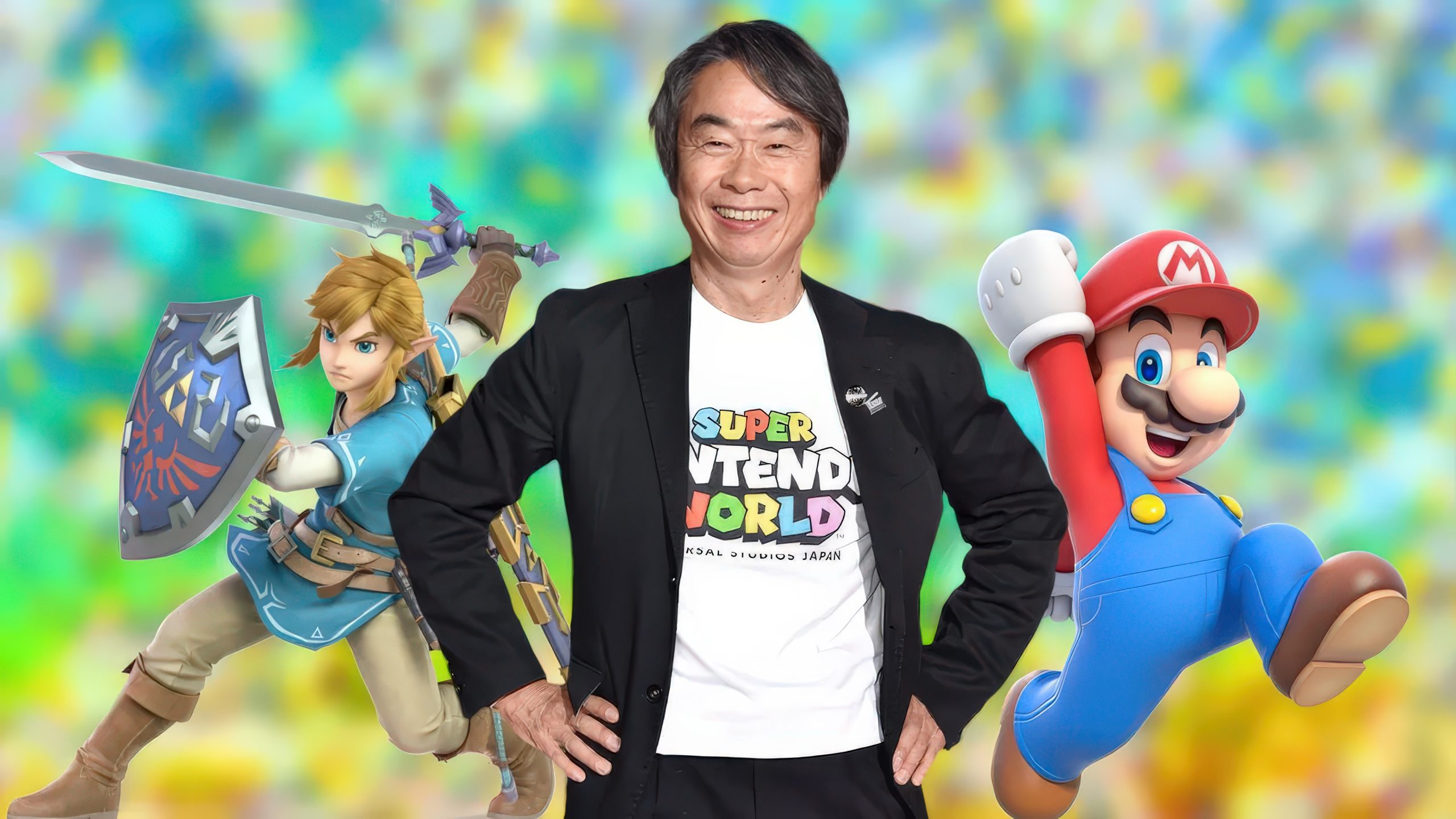
Yesterday, famous game designer Shigeru Miyamoto spoke at a press conference after news broke that he will receive the important Order of Culture award from Emperor Naruhito on November 3. First created in 1937, the Order of Culture honors people who have made major contributions to Japan's culture. Only a small number of people receive it each year. Miyamoto is the first person from the video game industry to receive this honor. He helped create many of Nintendo's most popular games, including Mario, Zelda, Donkey Kong, and Star Fox, making him a strong choice for the award.
The Japanese website Game Watch published a full transcript of the press conference. As usual, Miyamoto-san shared many interesting thoughts, but one comment stood out: his views on generative AI. Although he comes from an older generation of game makers, Miyamoto explained why using AI to handle some of the work could help people who create games. At the same time, he believes that humans will still have an important role in the creative process:
As computers and technology have improved, individual design skills, such as knowing how to arrange things in a space, have become more important. I think the same thing is happening with generative AI. We separate coming up with an idea from doing the work needed to make it real. When we want to create something, we first build a basic structure. Then we use our hands to work on it. After that, we do the actual work, such as filling in the empty spaces and making everything look finished and neat.
The tricky part is that doing the work itself is enjoyable. That's why making something can feel so satisfying. But there's a danger: if you feel happy with the work you've done, you might wrongly believe that you've created something good. In that way, the more AI can do the work for us, the more chances we'll have to think about what really matters. I think that's a good thing.
Some designs in the past were made simply by copying and pasting things. But those designs don't last. A person needs to have their own purpose and ideas when designing something. The important thing is to start with a person's own intentions and then use a computer to help carry out the task. No matter how much AI improves, it might eventually be able to do everything, but I believe there will still be plenty for us to do.
This is a more positive view than many people might expect from a game designer who is nearly 74 years old. It also differs from the strong opposition to any use of AI in game development expressed by some much younger developers. However, the debate over AI is much more heated in Western countries. Developers in Asian countries such as China, South Korea, and Japan seem more willing to explore how they can use it.