
A study warns of the risks of relying on artificial intelligence to help the blind and visually impaired
She has trouble understanding some complex details and situations

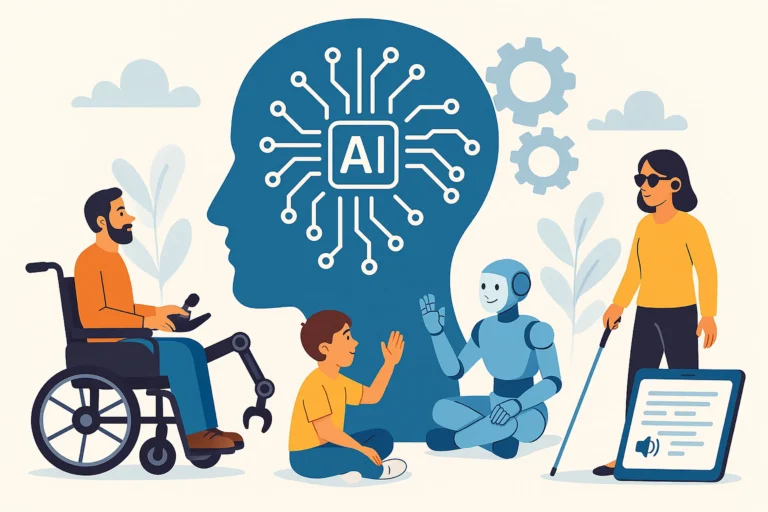
London, UK – A recent study found problems and challenges with using artificial intelligence (AI) to help blind people and people with limited sight. The study warned that relying completely on these tools could lead to wrong answers in some situations. This could make it harder for users to stay safe and understand what is around them. AI apps use cameras to examine images and recognize objects. They may help people with limited sight read text and identify products, places, and people. However, these tools can still struggle to understand complex details and situations.
How well can AI systems understand what blind people need?
One major problem is that AI systems may give descriptions of a scene that are wrong or leave out important details. They may also fail to identify obstacles correctly or tell similar objects apart. This can be especially dangerous when people move along streets, cross roads, or face situations that require quick action. These problems also raise questions about whether AI systems can fully understand what blind people need. For example, a mistake about where an object is or what a place is like could lead someone to make the wrong decision. Even so, the study recognizes that new technology can improve the lives of blind people. Smart tools have created new ways to get information and have helped people do many everyday tasks more independently.
Using artificial intelligence to help people with disabilities
The study stressed that these technologies need further development and more careful testing in real-life situations. Users should be told clearly what these tools can and cannot do. They should not assume that the information an AI system gives is always correct. The findings have renewed discussion about how artificial intelligence can help people with disabilities. They show both the important opportunities these tools offer and the problems linked to accurate information and user safety. The study concludes that advances in technology must go hand in hand with strict rules to make sure these tools are reliable and safe.