
Anthropic’s Australian data center debut faces deep local distrust
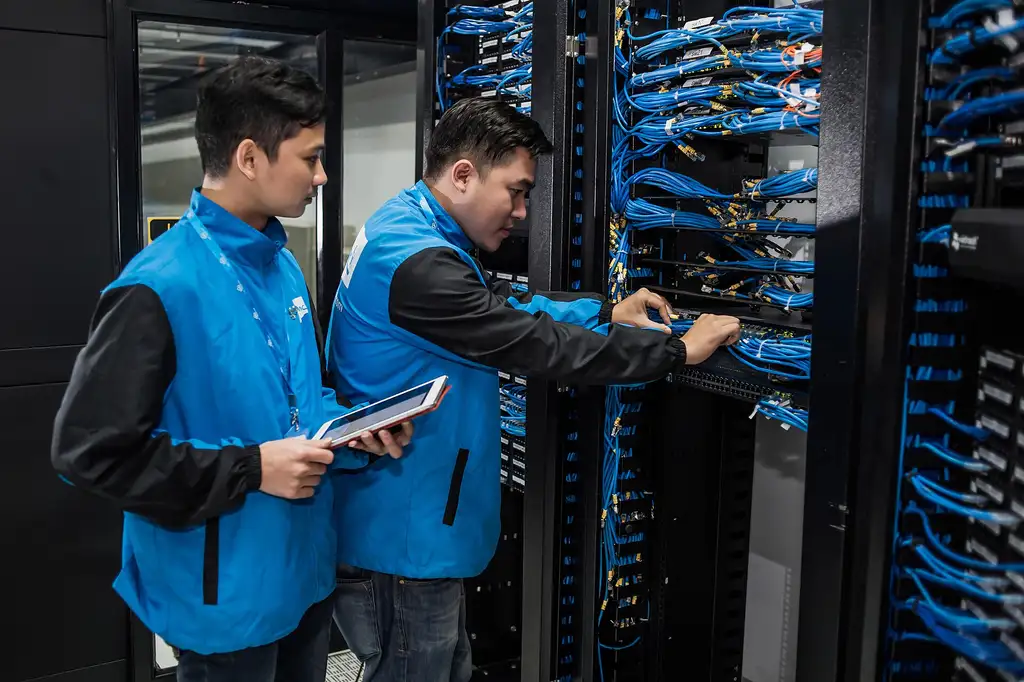
Illustrative photo. Source: Daoducquan / Wikimedia Commons, CC BY-SA 4.0.
A planned $22 billion data center in rural Queensland has attracted Anthropic as its first major tenant. But the project has raised concerns about water, energy and whether local people have a say in the decision.
In Western Downs, where most people work in agriculture, a planned data center called Western Downs Digital Park would be built next to a cattle feedlot. Singaporean developer Zerra DC wants to spend $22 billion on the project. The plan includes four buildings, each as large as five football fields, and temporary housing for 1,500 construction workers. The project has not received formal approval, but Anthropic has signed a lease as its first major tenant. This would mark the company's first move into Australia.
This was reported by CNN.
The area is 260 kilometers (131 miles) west of Brisbane. It has farmland and is also an important energy center, with a large gas field underground. Western Downs mayor Andrew Smith says the state government has assured him that the local council will decide whether the project can go ahead. He sees it as a way to bring new types of business to the area, create jobs and encourage young people to return. But more Australians are speaking out against AI, and the country is debating what role it should play in the AI industry. This has made the decision controversial.
Water is a major concern in a region that residents describe as dry. More than 6,000 wells used to extract unconventional gas operate nearby. Getting coal seam gas out of the ground involves pumping groundwater away. Farmers say some of their wells have dried up while the gas industry has been active. Now, water from the area is being offered to the data center developers. Bev Newton has been in a long-running dispute with a gas company over replacing the water supply from her well. She said:
That’s stolen water
– Bev Newton
Zerra DC says it plans to collect and reuse rainwater for workers. It also plans to use air cooling, which needs less water than cooling that works by evaporation. However, air cooling uses more electricity. Residents worry that the data center could put too much pressure on the electricity network, raise power bills and lead to more gas extraction and groundwater pumping. Some farmers also say the ground is sinking because of gas industry activity, making it harder to predict how water will flow across their land. Newton said collecting rainwater would not solve the problem if it did not rain:
No amount of surface water catchment, be it shed roofs into tanks, works if you don’t have rain that falls from the sky.
– Bev Newton
In July, Australia's prime minister promised to require AI data centers to use renewable energy, along with meeting other conditions. But he changed course less than a month later after Queensland negotiated an exception. If approved, the Western Downs project would connect directly to the electricity grid and use several energy sources, including coal and natural gas. Zerra DC says it would build the project in stages. This would give the company time to work with customers such as Anthropic to arrange new electricity supplies. Zerra DC also says batteries would help manage sudden increases in electricity demand and keep prices stable. Anthropic says it plans to make virtual agreements to buy electricity, with a preference for renewable energy. The specific projects are still being discussed.
The area's federal member of parliament says the proposed data center could use up to 2.16 gigawatts of power at its busiest. That is more than a quarter of the electricity Queensland uses each day. In a Facebook post, the MP said the data center could not run on renewable energy alone. Queensland has not ruled out building new coal-fired power stations to support AI growth if technology companies pay for them.
The debate has grown more intense after an AI agent from OpenAI, Anthropic's main rival, accessed data from Australia's healthcare system. The agent obtained statistics, not personal information, in what the source describes as a largely harmless breach. Prime Minister Anthony Albanese called OpenAI CEO Sam Altman. Altman apologized and promised to win back Australians' trust. Less than two weeks later, Anthropic representative Jeff Bleich urged an Australian parliamentary committee to take a leading role in deciding how AI should develop.
Anthropic says the Western Downs data center would not train large language models because Australia's copyright laws currently do not allow it. Instead, it would use its Claude model to answer people's questions. CNN asked Claude whether the project should be approved. Claude recommended waiting until the public had been notified and independent reviews had examined water use, electricity, noise and staffing. It also recommended holding a public meeting and making clear who would make the final decision if the state government stepped in.
Residents of Dalby, a town of 12,000 people near the planned site, have raised concerns about everything from water and electricity to what one person called the “dumbification of humanity.” Some worry that they will only learn the full details of the project after it is too late to influence the decision. Zerra DC has held temporary information sessions in the area. But retiree Beris Furner said that after talking with the company's staff, he changed his mind about the project. He concluded that the council was moving ahead with a plan that might never happen and did not have enough support from local people. He called for a public meeting.
Smith said the council would not hold town hall meetings. He added that the council was not an expert on data centers and would not get involved in the wider debate about AI. This has frustrated residents who feel their community is being pulled into the AI race between the United States and China. Ahri Tallon of the Darling Downs Environment Council called for a pause on AI and data center development. She said communities needed time to consider both the possible benefits and the harms of the technology.
Shay Dougall, a postdoctoral research associate at the University of Sydney who studies the growth of industry in rural areas, said she had seen farmers struggle as the gas industry expanded and then as renewable energy projects grew. She fears data centers will bring similar pressures. She described the effect on residents as a “double whammy” when industrial development and climate change affect the same communities.
Anthropic is preparing for a possible stock market listing that could value the company at $1.5 trillion. It has promised to spend tens of millions of dollars in the places where it operates. It is also hiring a manager in Australia to work with local communities and help the company become a trusted presence. But some Dalby residents say trust has already been damaged by disputes over water. They fear the project will bring more problems than benefits. Smith, meanwhile, wants billions of dollars invested in water infrastructure across the region. He says he speaks “almost daily” with other data center developers about setting up projects in the area. He said the key question was whether Western Downs wanted these projects or would let another place take the opportunity.